
Katy: 281.971.2124
Can a Tooth Fall Out After a Root Canal? What You Need to Know

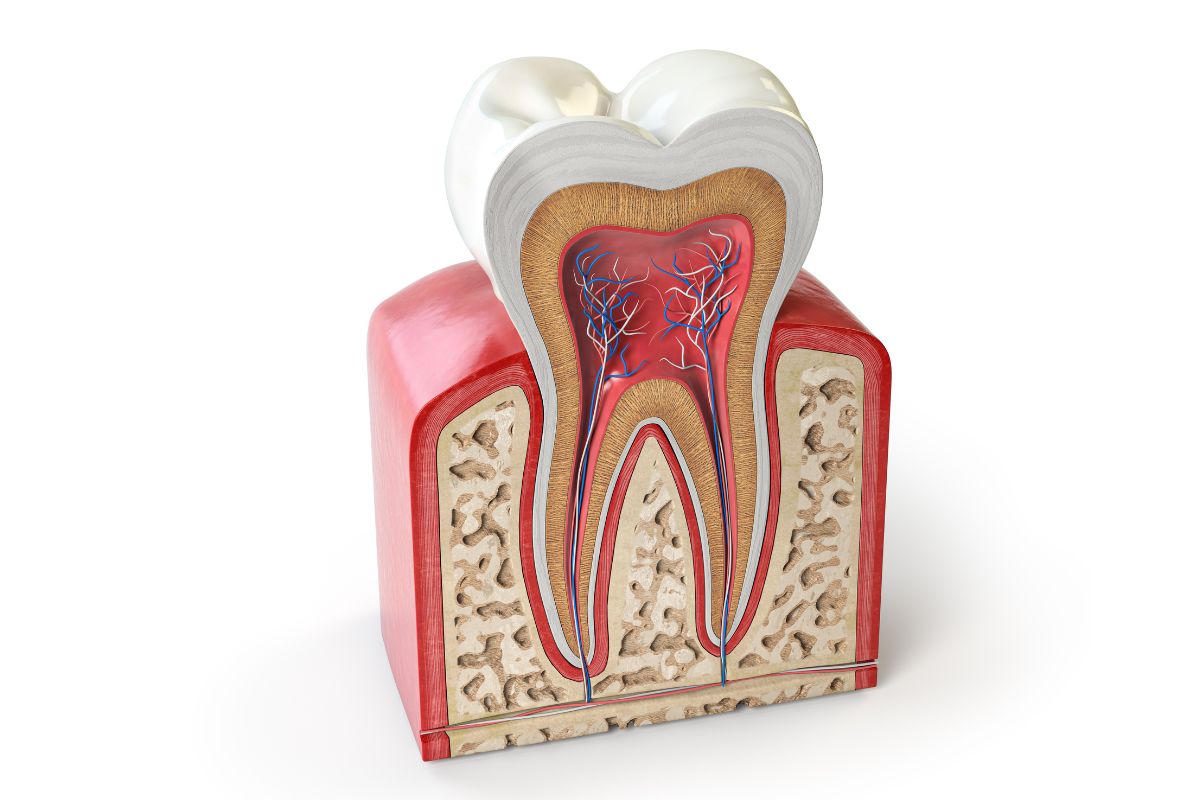
When a tooth becomes badly infected or damaged, saving it is often the main goal. That’s where root canal therapy comes in. This treatment is designed to remove infection, protect the tooth, and help you keep your natural smile for as long as possible.
At Serenity Dental, many patients ask an important question after treatment: Can a tooth still fall out after a root canal? It’s a valid concern, especially if the tooth already felt weak or painful before the procedure.
The short answer is yes, it can happen in some situations. But in most cases, a treated tooth can last for many years with the right care and attention. Understanding why tooth loss may happen after a root canal can help you protect your oral health and avoid future problems.
What Happens During a Root Canal?
A root canal therapy is performed when the inside of a tooth becomes infected or inflamed. During the procedure, the damaged tissue is removed, the area is cleaned, and the tooth is sealed to prevent further infection.
Even though the inside of the tooth is treated, the outer structure still needs support afterward. That’s why many teeth need a crown after treatment to help protect them from cracking or breaking.
Why a Tooth May Fall Out After a Root Canal?
Although root canal therapy is designed to save an infected or damaged tooth, certain issues can still affect the tooth over time. The condition of the tooth before treatment, daily habits, and how well the tooth is protected afterward can all play a role in its long-term health. Understanding these risks can help you take better care of your treated tooth and avoid future complications.
The Tooth Was Already Weak Before Treatment
In many cases, the tooth has already gone through years of decay, damage, or infection before the root canal is performed. If too much of the natural structure has been lost, the tooth may become fragile over time.
Delaying a Dental Crown
After a root canal, a tooth can become more brittle than before. A dental crown helps protect it during daily chewing and biting.
If a crown is delayed or skipped, the tooth may crack under pressure. In some cases, severe damage can lead to tooth loss.
A New Infection Develops
Although root canals are highly successful, bacteria can sometimes return if the tooth is not sealed properly or if new decay forms around it.
An untreated infection can weaken the surrounding bone and gums, making it harder for the tooth to stay stable.
Teeth Grinding or Clenching
Grinding your teeth at night or clenching during stress can place extra pressure on a treated tooth. Over time, this repeated force may cause cracks or loosen the tooth.
Poor Oral Hygiene Habits
A root canal does not make a tooth immune to future dental problems. Gum disease and decay can still affect the treated tooth and the surrounding area.
Brushing, flossing, and regular dental visits remain important after treatment.
Signs That Something May Be Wrong
It’s important to pay attention to any changes after your procedure. You should contact your dentist if you notice:
- Pain that returns after healing
- Swelling around the tooth
- A loose feeling when biting
- Cracks or chips in the tooth
- Gum tenderness near the treated area
Catching problems early may help prevent further damage.
How to Protect a Tooth After Root Canal Therapy?
Taking care of your treated tooth can help it last much longer. Here are a few simple ways to protect it:
- Don’t delay getting a crown if recommended
- Avoid chewing hard objects like ice
- Wear a nightguard if you grind your teeth
- Keep up with brushing and flossing
- Visit your dentist for regular exams and cleanings
These habits can make a big difference in the long-term health of your smile.
Why does saving the tooth matter?
Keeping your natural tooth whenever possible helps maintain balance in your bite and prevents nearby teeth from shifting. It can also help you avoid more extensive dental procedures later.
That’s one reason why root canals continue to play an important role in modern dental care.
If you ever feel unsure about changes in your treated tooth, contact us for guidance and support. Addressing concerns early may help prevent future complications.
Understanding the Role of Restorative Dental Care
A root canal is often just one part of rebuilding a healthy smile. In many cases, additional treatments such as crowns or fillings help restore strength and function to the tooth.
Patients exploring long-term solutions through restorative dentistry often find that caring for treated teeth properly can help reduce the risk of future damage or tooth loss.
Protect Your Teeth with Trusted Dental Care in Magnolia, TX
A tooth treated with a root canal can often last for many years when it receives proper care and protection. Understanding the possible risks and knowing when to seek help can make a big difference in keeping your smile healthy and comfortable.
At our dental office, we are committed to helping patients protect their oral health through every stage of care. Whether you have questions about healing, crowns, or ongoing dental concerns, our team is here to support you with personalized treatment and guidance. If you are looking for trusted dental care, visit our dental office and take the next step toward a stronger, healthier smile.
Patient Questions You May Have
Can I eat normally after a root canal is healed?
Yes, most people can return to normal eating habits once the tooth is fully restored and healed.
Does a root-canal tooth feel different from other teeth?
Some patients notice slight differences at first, but most treated teeth feel normal over time.
Can a root canal fail years later?
Yes, while uncommon, a treated tooth can develop new problems years later if bacteria enter the area again.
Is it normal for the tooth to darken after treatment?
In some cases, a treated tooth may become darker over time due to changes inside the tooth structure.
Can children or teens need root canal treatment too?
Yes, younger patients may need root canal treatment if a tooth becomes severely damaged or infected.