Katy: 281.971.2124
What Are the Best Tooth Replacement Options for Seniors in Houston?

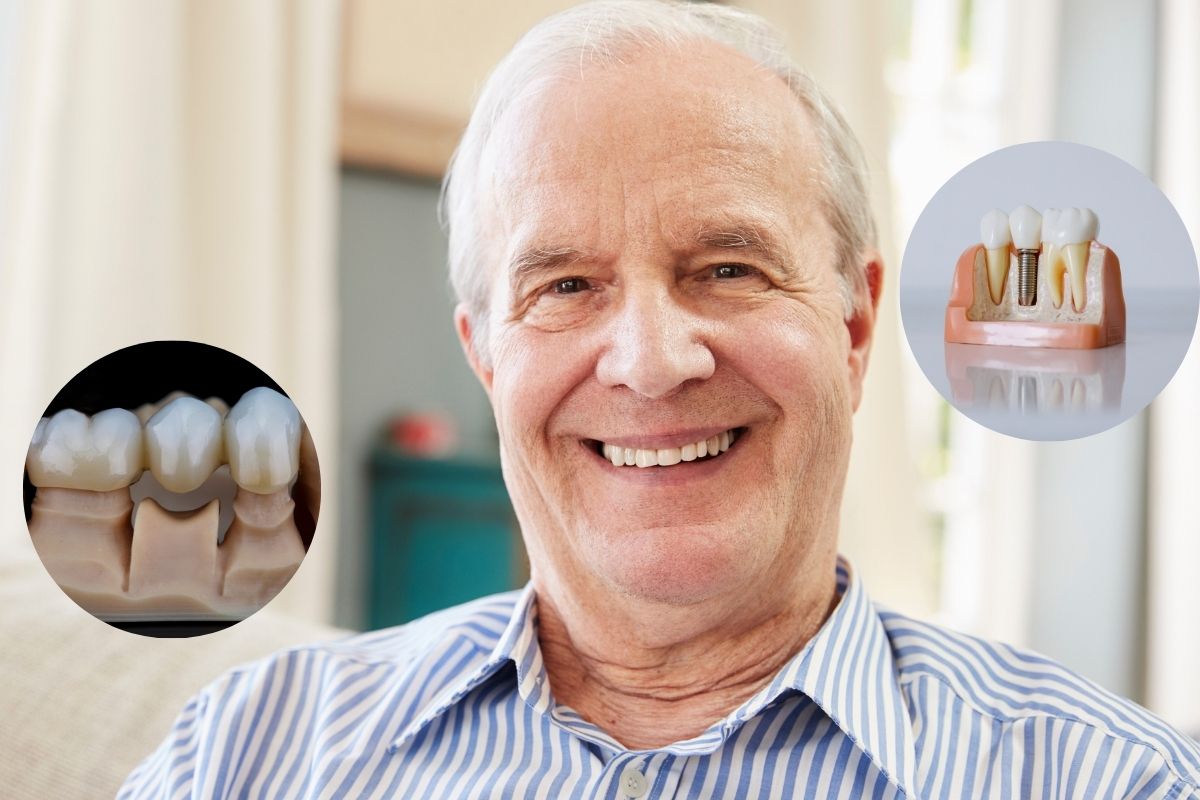
Losing a tooth or two later in life is more common than most people realize. Whether it happened gradually from gum disease or all at once from an injury or decay, the gap it leaves behind is about more than appearance. It affects the way you chew, how you speak, and, over time, how your jawbone holds its shape.
If you or someone you love is navigating tooth loss, understanding your options is the first step toward choosing a solution that fits your health, lifestyle, and budget. Starting with a tooth restoration procedure can feel overwhelming at first, but once you know what each option entails and who it works best for, the decision becomes much clearer.
This guide walks through the most commonly recommended tooth replacement choices for older adults, what each one involves, what to realistically expect, and how to think through the decision.
Why Tooth Replacement Matters More as You Age?
It might be tempting to leave a missing tooth alone, especially if it’s in the back where nobody can see it. But here’s what happens when you do: the teeth surrounding the gap begin to shift. The bone underneath starts to shrink because it no longer receives the stimulation it needs. Over time, your face shape can change, and chewing becomes harder, which affects your diet and nutrition, too.
For older adults especially, nutrition matters a great deal. When chewing becomes painful or difficult, people naturally gravitate toward softer, often less nutritious foods. That’s a pattern worth interrupting sooner rather than later.
The good news is that there are more options available today than ever before, and many of them are designed with older patients in mind.
Dental Implants: The Long-Term Solution
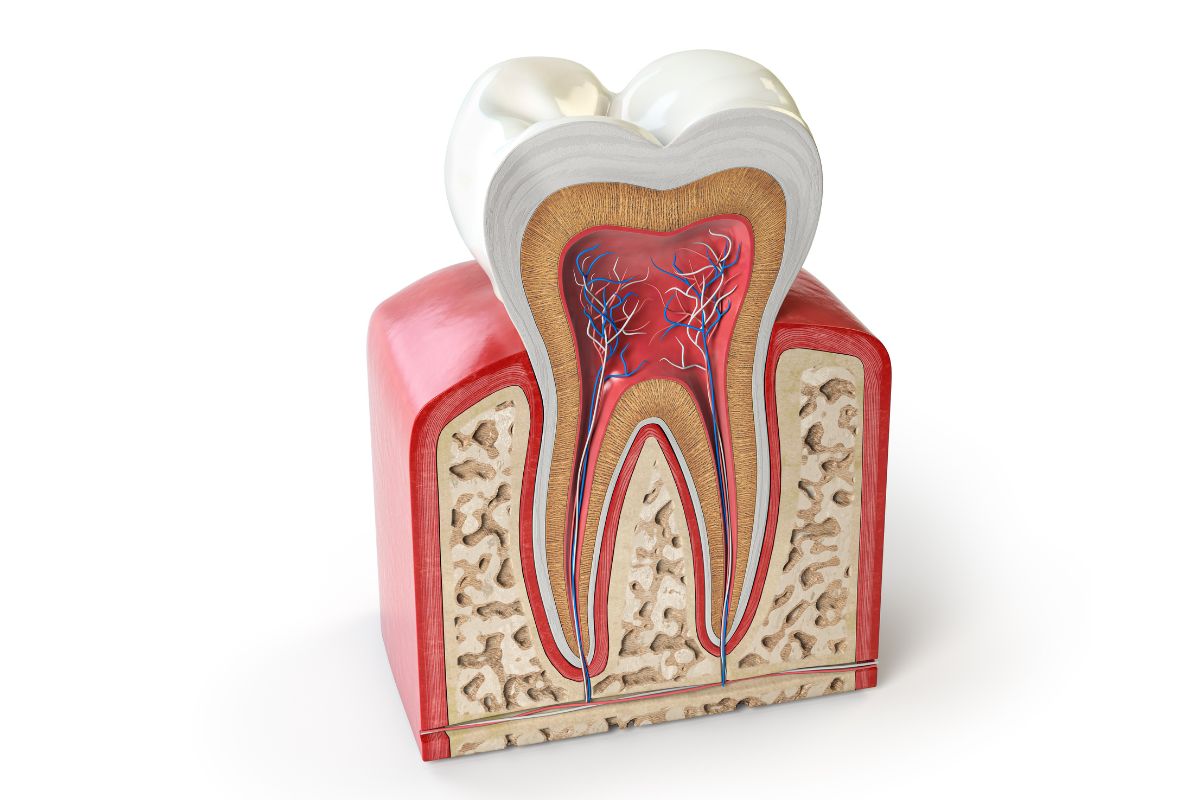
Dental implants are often described as the closest thing to a natural tooth that modern dentistry can offer. A small titanium post is placed into the jawbone, where it gradually fuses with the bone over a few months. Once that process is complete, a custom crown is attached on top, giving you a tooth that looks, feels, and functions like your own.
Why seniors choose implants:
- They don’t shift or slip, so eating and speaking feel natural
- They stimulate the jawbone, which prevents the bone loss that follows tooth loss
- With proper care, they can last decades
- They don’t rely on neighboring teeth for support
What to keep in mind: Implants require a surgical procedure, so your overall health plays a role in whether you’re a good candidate. Conditions like uncontrolled diabetes or certain medications that affect bone density may impair the healing process. Your dentist will review your health history carefully before recommending implants. In many cases, seniors in otherwise good health are excellent candidates.
Bone loss that has already occurred may require a bone graft before an implant can be placed, which adds time to the process but doesn’t necessarily rule it out.
All-on-4 Implants: A Full Arch of Teeth on Just Four Implants
For seniors who are missing most or all of their teeth on one arch or are close to that point, All-on-4 implants offer a solution that feels very different from conventional dentures.
The concept is straightforward: four strategically placed implants are positioned in the jaw, and a full arch of fixed teeth is attached on top. The two rear implants are angled slightly to maximize contact with the available bone, which means many patients can move forward without needing bone grafts even when some bone loss has already occurred.
What makes All-on-4 worth considering for older adults:
- The teeth are fixed in place; they don’t come out at night, and there’s no adhesive involved
- Because the implants are anchored in bone, the jawbone continues to receive stimulation, which helps slow further bone loss
- Chewing capacity is significantly better than with traditional dentures, which means a more varied, nutritious diet
- The procedure is typically completed in a single day, with a full set of temporary teeth placed the same day as the implants
That last point matters more than it might seem. Many seniors are understandably hesitant about a long, drawn-out process. All-on-4 is designed to be efficient; most patients leave the office with a functioning smile on the same day as their surgery.
What to keep in mind: All-on-4 does involve a surgical procedure, so your overall health will be part of the evaluation. Your dentist will take detailed scans of your jaw to map out the precise implant placement before anything begins. The final set of permanent teeth is typically placed a few months later, once the implants have fully integrated with the bone.
The investment is higher than traditional dentures, but for many patients, the stability, comfort, and long-term bone health benefits make it a decision they’re glad they made.
Traditional Dentures: Familiar and Accessible
Dentures have been around for a long time, and for good reason; they remain an accessible, non-surgical solution for tooth loss. Complete dentures replace a full arch of teeth, while partial dentures fill in the gaps when some natural teeth remain.
Modern dentures are significantly more natural-looking and comfortable than older versions. They’re custom-fitted to your gum line and designed to match the size and shade of your natural teeth.
What to keep in mind: Dentures rest on the gums and are held in place by suction or a denture adhesive. Over time, as the jawbone changes shape, they may need to be adjusted or relined to maintain a proper fit. Loose dentures can cause irritation, difficulty eating, and self-consciousness in social situations.
That said, dentures remain a practical option, especially for patients who aren’t surgical candidates or who prefer a non-invasive approach. Regular follow-up visits help ensure the fit stays comfortable as your mouth changes.
Dental Bridges: When You Have Healthy Teeth on Either Side
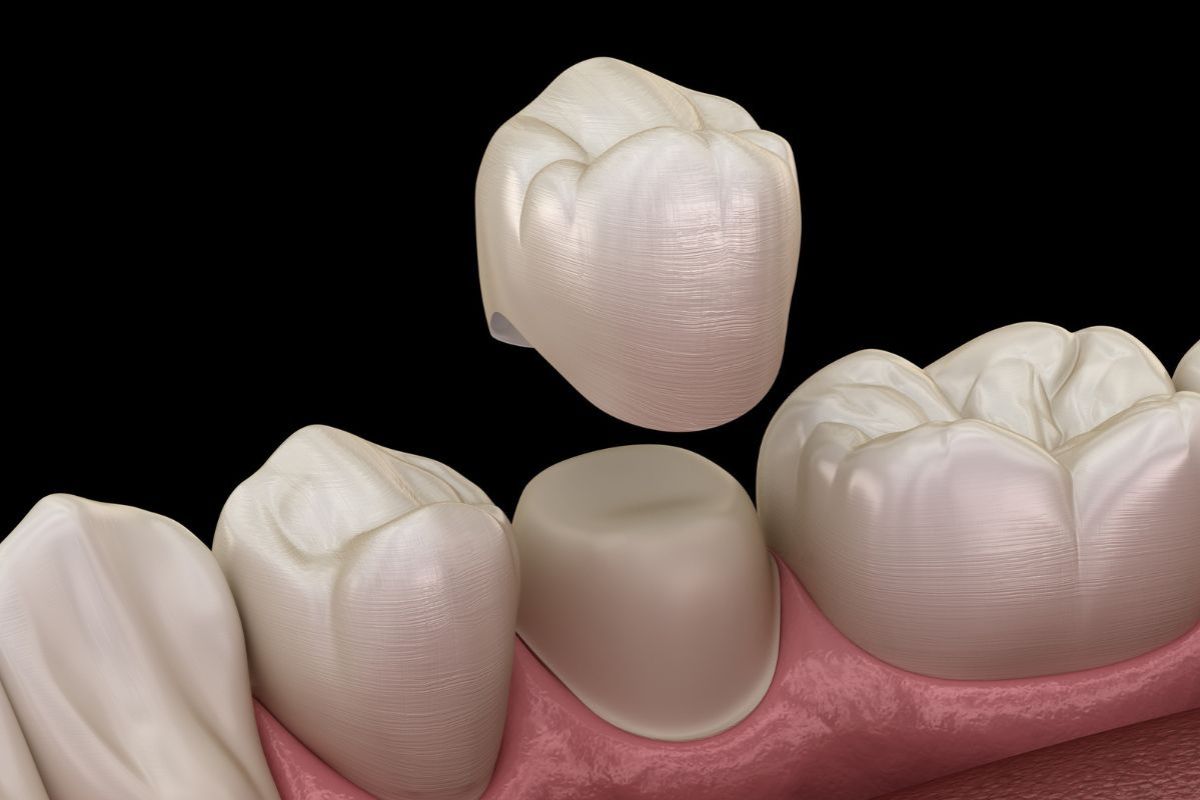
A dental bridge is a good option when you’re missing one tooth or a few teeth in a row, and the teeth on either side of the gap are healthy. The bridge consists of one or more artificial teeth (called pontics) anchored to crowns that are placed over the neighboring teeth.
At our Houston office, our dentist prepares the anchor teeth, takes impressions, and places a custom-fitted bridge that blends naturally with your smile, restoring both function and appearance without any surgical steps.
Bridges are a durable solution and typically last ten years or more with proper care. The main consideration is that the neighboring teeth must be altered to support the crowns, which is an irreversible step worth thinking through.
How to Know Which Option Is Right for You?
There’s no universal answer here, and that’s actually a good thing; it means the solution can be tailored to your specific situation. A few things that will guide the conversation with your dentist:
- How many teeth are missing? One tooth, several, or a full arch each calls for a different approach
- The health of your jawbone: Significant bone loss may affect implant candidacy
- Your overall health and surgical readiness matter for implant procedures
- Your lifestyle and preferences: Some people want a permanent, fixed solution; others prefer something removable
- Your budget: Options vary considerably in cost, and many offices offer financing or payment plans
The most important step is getting a proper evaluation so that the recommendation you receive is based on your actual jaw structure and health, not a general assumption.
What Happens During a Tooth Replacement Consultation?
If you’ve never discussed tooth replacement before, it helps to know what to expect. Your dentist will take X-rays or a 3D scan of your jaw to assess bone density and structure. They’ll review your health history, including any medications you take. Then they’ll discuss the options that make the most sense given what they find and answer any questions you have before you make any decisions.
There’s no pressure, and there’s no one-size-fits-all plan. The goal is to give you enough information to feel confident in whatever path you choose.
Tips for Caring for Your Replacement Teeth
Regardless of which option you choose, maintaining good care habits makes a significant difference in how long your results last.
- Implants and bridges should be brushed and flossed just like natural teeth. Floss threaders or water flossers can help reach underneath bridges.
- Dentures should be removed nightly, soaked in a cleaning solution, and rinsed before wearing again. Avoid sleeping in dentures unless your dentist has specifically advised otherwise.
- Regular dental visits are important for all replacement options to check the fit, the condition of the restoration, and the health of the surrounding tissues.
Your gum health matters even with artificial teeth. Gum disease can still develop around implants (a condition called peri-implantitis) and beneath dentures, so keeping up with cleanings is important.
Giving Your Smile the Care It Deserves at Every Stage of Life
Missing teeth don’t have to be the end of the story. Whether you’re exploring dental implants for the first time or reconsidering how your current dentures are fitting, there are real solutions that can make a meaningful difference in how you feel day to day.
We understand that dental decisions as an adult come with a lot of questions about cost, about recovery, about whether it’s “worth it” at this point in life. Our answer is always the same: your comfort, your confidence, and your ability to eat and speak without worry absolutely matter, no matter your age.
Our team is experienced in comprehensive restorative dentistry for adults at every stage of life, and we take the time to understand your goals before making any recommendations. We believe you deserve a solution that fits your life, not just your mouth.
Request an appointment today and let us help you find the tooth replacement option that gives you the smile and function you deserve. We’re here for you every step of the way.