Katy: 281.971.2124
Can Invisalign Fix Bite Problems After Dental Injury?

A knocked tooth, a chipped edge, or a hard fall on the mouth doesn’t just heal and disappear. Sometimes the visible damage gets fixed, but the way your teeth meet when you bite down never quite goes back to normal. You might notice you’re chewing more on one side, or your jaw feels tired by the end of the day. This is more common after dental injuries than most people realize, and it’s one of the main reasons patients begin exploring Invisalign treatment to help their bite feel right again.
At Serenity Dental, Dr. Ruidan Ma helps patients understand how dental injuries can affect bite alignment and whether clear aligners may be an appropriate solution. The truth is, Invisalign treatment can help with many bite changes after dental trauma, but every case is different. Whether clear aligners are the right fit depends on what actually happened to your teeth, jaw, and overall bite following the injury. Understanding the cause is the first step toward choosing the most effective treatment. The right fit depends on what actually happened to your teeth and jaw after the injury. Let’s walk through how this works.
How Can a Dental Injury Throw Off Your Bite?
When a tooth is knocked loose, chipped, or pushed out of position in an accident, the surrounding teeth often shift as well, even if only slightly. Your bite is a balance system. Every tooth plays a small role in how your jaw closes, and when one tooth moves, the others tend to compensate for it over time.
This is why some people don’t notice a bite problem right after the injury. It can take weeks or months for the shift to become obvious, usually showing up as:
- Uneven pressure when chewing
- A tooth that feels “too high” or hits first
- Jaw soreness or clicking that wasn’t there before
- A slightly different look to the smile, even after repairs were made
None of this means something went wrong with the treatment you already had. It’s simply what can happen when a tooth’s position changes suddenly instead of gradually.
What Invisalign Actually Does to Correct a Shifted Bite?
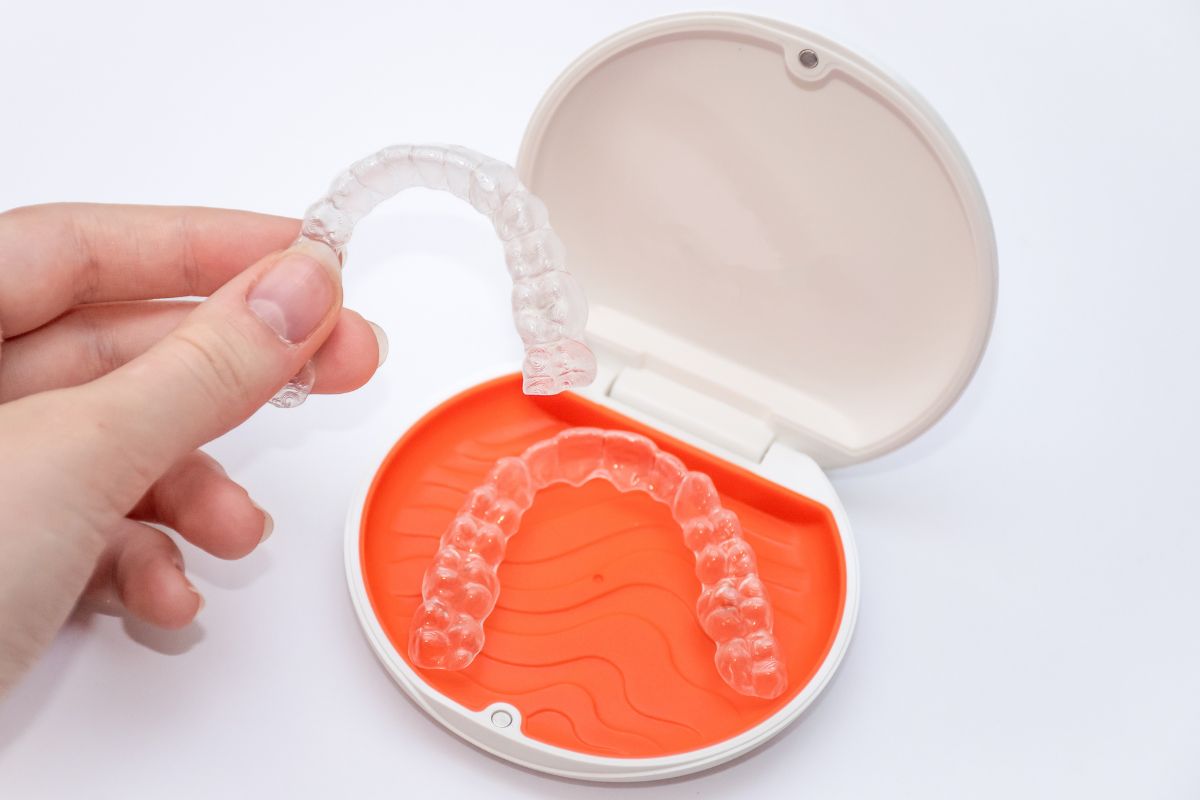
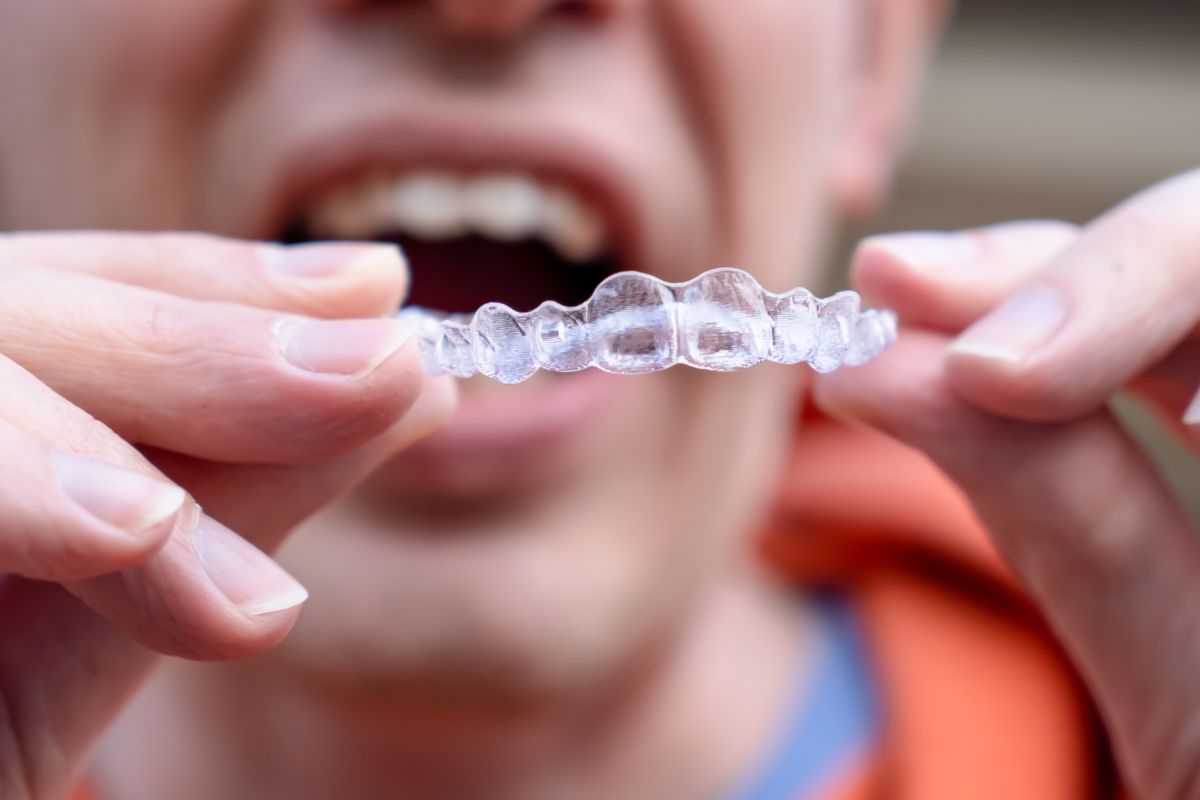
Invisalign uses a series of clear, custom-made aligners that gently guide teeth back into a more balanced position, one small movement at a time. For patients dealing with a bite that changed after an injury, this gradual approach can be gentler than people expect, since it works with the mouth’s natural pace of movement rather than forcing anything quickly.
For patients wondering whether invisalign treatment can undo a bite that shifted after an accident, the honest answer is that it depends on how much the teeth moved and whether the tooth structure underneath is still healthy. Aligners are very good at repositioning teeth. They aren’t a fix for damage to the tooth root, the jawbone, or the jaw joint itself.
When does Invisalign work well after an Injury?
Invisalign tends to be a strong option when:
- The injury caused minor to moderate shifting, not a major structural change
- The affected tooth (or teeth) and the surrounding bone are stable and healthy
- There’s mild crowding or spacing that developed after the accident
- The bite feels “off,” but there’s no ongoing pain from the jaw joint itself
In these cases, aligners can guide the teeth back toward their original alignment, which often relieves the uneven pressure that’s been causing discomfort.
When Invisalign Alone Might Not Be Enough?
Some injuries go deeper than tooth position. If the injury damaged a tooth’s root, cracked it below the gum line, or affected the jaw joint, aligners alone usually can’t resolve that. In those situations, other treatment may need to happen first, such as restoring the damaged tooth, addressing the joint, or stabilizing the area, before aligners are used to fine-tune the bite.
This is really the key point: Invisalign is excellent at moving teeth into better alignment, but it isn’t designed to repair structural damage. A thorough exam is what tells you which category your situation falls into.
What Happens at Your First Visit?
If you’ve had a dental injury and your bite hasn’t felt the same since, the first step is to have it properly examined. At our Katy office, our dentist checks how your teeth meet, assesses the health of the injured tooth and the surrounding tissue, and takes a close look at your jaw joint before making a recommendation. From there, you’ll get a clear picture of whether aligners are a good fit or whether something else needs attention first. You can contact us to set up a time to come in.
How Long Does Bite Correction Usually Take?
Treatment length varies quite a bit from person to person. Minor shifting after an injury may take a matter of months to correct, while more noticeable movement can take longer, similar to a standard course of aligner treatment. Your dentist will be able to give you a realistic timeline once the initial exam is done, based on how far the teeth have moved and how they’re responding along the way.
Looking After Your Teeth While You’re in Treatment
Whether or not you end up using aligners, a few habits go a long way in protecting a bite that’s already been through an injury:
- Avoid chewing on ice, pens, or other hard objects that put extra strain on teeth
- Wear a mouthguard during sports or any activity with a risk of impact
- Keep up with regular checkups so small shifts get caught early
- Mention any new soreness or clicking in the jaw, even if it seems minor
Small habits like these can prevent a second injury from compounding the first one.
Getting Your Bite Feeling Right Again
A bite that’s been thrown off by an injury doesn’t have to stay that way. With the right examination and a treatment plan tailored to your specific situation, many patients find lasting relief, whether that means Invisalign, another treatment first, or a combination of both. We take the time to understand exactly how your injury has affected your bite before recommending the most appropriate solution. We also proudly serve patients at our locations in Spring, Magnolia, and Houston, making it easier to access personalized orthodontic care close to home. If your bite hasn’t felt quite right since an injury, request an appointment with us and let our team help you determine the next steps toward a healthier, more comfortable smile.