
Katy: 281.971.2124
When Teeth Whitening Won’t Fix Your Tooth Discoloration-And What Will

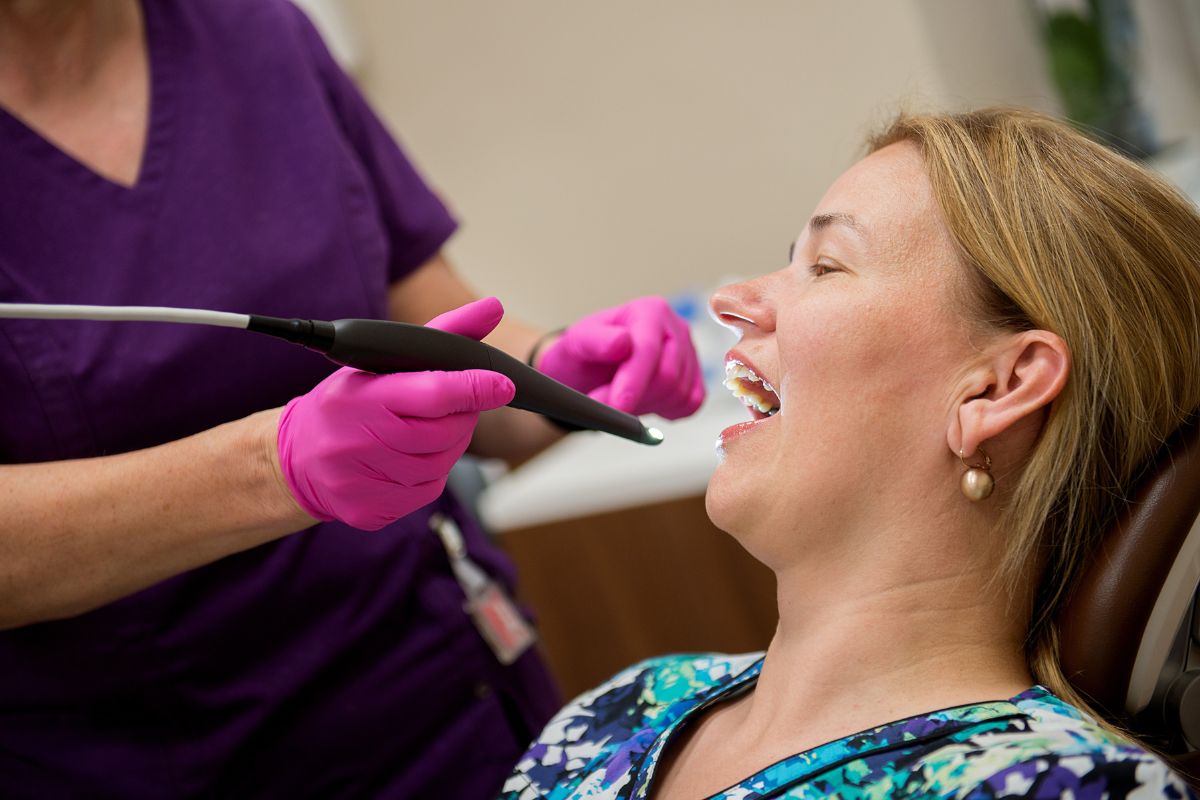
Teeth whitening doesn’t work for every type of tooth discoloration, and choosing it for the wrong kind of staining can leave you spending money on a treatment that never would have made a difference.
That might be surprising to hear. After all, brighter teeth are one of the most requested things we see at the dental chair, and whitening is one of the most talked-about cosmetic options out there. But here’s the reality: tooth discoloration comes in different forms, and the type you have determines whether whitening will help.
At Serenity Dental, we believe you deserve honest answers before you commit to any treatment. So let’s walk through when whitening makes sense, when it doesn’t, and what options actually work for the kind of discoloration whitening can’t touch.
Two Types of Tooth Discoloration And Why It Matters Before Anything Else
Before we talk about treatment, it helps to understand that not all discoloration starts in the same place.
Extrinsic stains sit on the outer surface of your teeth. These come from things you eat and drink, such as coffee, tea, red wine, certain sauces, as well as tobacco use. Because they live on the enamel surface, they respond well to professional teeth whitening treatments that use bleaching agents to lift and break apart those pigments.
Intrinsic stains are different. These form inside the tooth itself, within the dentin layer beneath the enamel. They can happen due to certain medications, trauma to a tooth, mineral changes during tooth development, or simply the natural aging process. Because the discoloration comes from within the tooth structure, whitening agents that work on the outer surface often can’t reach or fix what’s happening deeper inside.
This distinction is the most important thing to understand when it comes to whitening. Knowing where your staining comes from tells you whether whitening is even relevant.
When Professional Teeth Whitening Is the Right Option
If your discoloration falls into the extrinsic category, professional teeth whitening can be genuinely effective. In-office whitening uses concentrated bleaching agents that penetrate the enamel to break down surface stains in a controlled, safe environment.
It works well for:
- Yellow or light brown staining from coffee, tea, or cola
- Surface discoloration from tobacco use
- General dullness that’s built up over time from diet and lifestyle
- Mild, uneven staining across the front teeth
If your teeth are otherwise healthy and structurally sound, and your stains are lifestyle-related, professional whitening done by a dental team is usually the fastest and most predictable way to see a visible improvement. It’s also significantly more effective than anything you’ll find on a store shelf.
When Teeth Whitening Won’t Work And Why
Here’s where things get more nuanced. Professional whitening simply isn’t designed to treat several types of discoloration. Using it in these cases won’t just give you limited results; it may not give you any visible change at all.
Tetracycline or Antibiotic Staining
Tetracycline antibiotics, when taken during childhood while teeth are still developing, can cause gray, brown, or dark banding within the tooth structure. This staining is deep in the dentin and is one of the most resistant to whitening treatments. Even multiple rounds of professional whitening tend to produce minimal improvement with this type of discoloration.
Fluorosis
Fluorosis happens when a child is exposed to too much fluoride while permanent teeth are forming. It can appear as white spots, streaks, or in more moderate cases, brownish pitting across the enamel surface. Because the discoloration is part of the enamel structure itself, whitening doesn’t remove it, and in some cases, it can even make white spots more noticeable temporarily.
Discoloration From a Dead or Root Canal–Treated Tooth
When a tooth loses its blood supply either from trauma, a failed nerve, or after root canal treatment, the internal tissue breaks down over time, and the tooth can gradually darken from the inside. This is an intrinsic change happening within the tooth structure itself. External bleaching can’t address it, though in some cases, internal bleaching performed by a dentist may be an option worth discussing.
Thin or Damaged Enamel
Enamel naturally appears whiter. When it wears down from acid erosion, grinding, or age, the darker dentin layer underneath becomes more visible. Whitening works on enamel, not dentin, so if the issue is enamel thinning, whitening won’t change the underlying cause and may actually increase sensitivity without improving the color.
Dental Restorations: Crowns, Veneers, and Composite Fillings
This one surprises a lot of people. Bleaching agents only work on natural tooth enamel. They have no effect on porcelain crowns, composite resin fillings, ceramic veneers, or any other dental restorations. If you have visible restorations on your front teeth and try to whiten your natural teeth around them, you’ll end up with a mismatch: some teeth brighter, the restorations staying exactly the same color.
Natural Aging
As we get older, enamel gradually thins while the dentin layer underneath naturally darkens. This combination can make teeth look more yellow or grayish over time. Whitening can help to a degree with the surface component, but it won’t fully reverse the natural structural changes that come with aging, especially if the enamel layer has become noticeably thin.
What Actually Works for These Types of Discoloration
When whitening isn’t the right fit, other cosmetic and restorative options can address discoloration that comes from within the tooth or involves the tooth’s overall structure.
Dental bonding uses a tooth-colored composite resin applied directly to the tooth surface. It’s a cost-effective option for covering individual stains, white spots from fluorosis, or minor discoloration on otherwise healthy teeth. It can usually be done in a single visit.
Porcelain veneers are thin shells custom-made to fit over the front surface of teeth. They’re one of the most reliable solutions for tetracycline staining, severe intrinsic discoloration, or cases where whitening has reached its limit. Veneers give you full control over the tooth’s final shade and shape.
Dental crowns are used when a tooth is significantly discolored and also structurally compromised, for example, a darkened tooth after root canal treatment. The crown covers the entire visible portion of the tooth and restores both its appearance and function.
Internal bleaching is a procedure performed from inside the tooth and is specifically used for single darkened teeth that have had root canal treatment. It’s not widely known, but it can make a meaningful difference for the right candidate.
At our Spring practice, we take the time to evaluate exactly what’s causing your discoloration before recommending any treatment. A thorough exam and, where needed, dental X-rays give us a clear picture of what’s happening with your teeth both on the surface and underneath. That way, we’re not guessing, and you’re not spending money on something that won’t address the real issue. Our team walks you through every option and helps you choose what actually makes sense for your specific situation.
How to Know Which Treatment Is Right for You
The most important step before any cosmetic dental treatment is getting a proper evaluation. A visual exam alone isn’t always enough to determine the true cause of discoloration. In some cases, X-rays reveal internal changes that aren’t visible from the outside.
Patients in Spring, TX often come to us after trying over-the-counter whitening strips or trays with little to no result. More often than not, the reason they didn’t see improvement isn’t the product; it’s that the staining they had wasn’t the kind of staining whitening was ever going to fix. An in-person evaluation gives you a clear answer and a real path forward instead of more trial and error.
Some questions worth asking at your next visit:
- Is my discoloration coming from the surface or from inside the tooth?
- Do I have any existing restorations that would stay a different color if I whitened?
- Is my enamel healthy enough to handle a whitening treatment?
- Are there any underlying dental issues I should address first?
These aren’t complicated questions, but the answers can save you time and money and help you get a result that actually lasts.
Keeping Your Smile Bright Starts With Knowing What You’re Working With
A brighter smile is a reasonable goal. But the path to getting there looks different depending on what’s actually causing your discoloration, and teeth whitening, as effective as it can be in the right situations, is not a one-size-fits-all solution. Understanding the difference between surface stains and bigger structural changes is the first step toward choosing a treatment that will actually work for you.
We are committed to helping you make the right call for your smile and your health. Our team takes the time to fully understand your situation before recommending any cosmetic treatment because the goal isn’t just a whiter-looking tooth, it’s a result you’ll be happy with for years to come. Whether the right answer is professional teeth whitening or another approach entirely, we’ll give you the honest guidance you need to move forward with confidence.
Ready to find out what’s really behind your tooth discoloration? Request an appointment, and let’s find the right answer together.