Katy: 281.971.2124
All-on-4 for Upper vs. Lower Jaw: Differences in Treatment

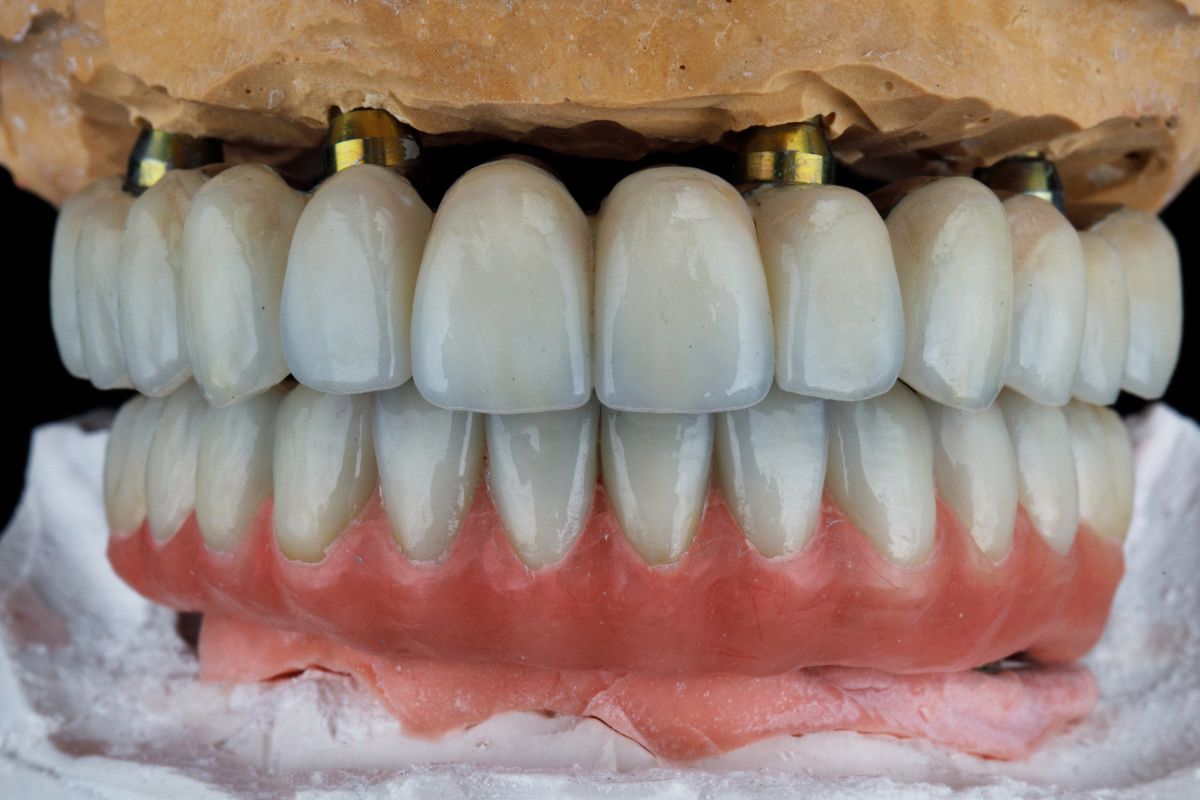
For those considering life-changing dental implants, All-on-4 implants present a remarkable solution to restore full function and appearance to the smile. This advanced treatment provides a permanent, stable option for individuals experiencing significant tooth loss. The All-in-4 dental restoration procedure uses four strategically placed implants to support an entire arch of prosthetic teeth.
While this treatment is widely popular for upper and lower jaws, the approach differs in several ways. Understanding the distinctions between these treatments can help individuals make a more informed decision and achieve the best possible outcome for their specific needs. Let’s explore the key differences between the upper and lower jaw All-on-4 procedures.
Key Differences in Treatment for the Upper vs. Lower Jaw
Placement of Implants: The Foundation of Your Smile
The implant placement for both the upper and lower jaws requires strategic positioning, but the specific anatomical considerations differ. The upper jaw often has more bone density in the posterior (back) region, making it slightly easier to place implants. In contrast, the lower jaw may have denser bone near the front, which could require a more precise approach to ensure stability.
Bone Density and Sinus Considerations in the Upper Jaw
The sinus cavity in the upper jaw can sometimes present challenges when placing implants. Depending on the patient’s bone volume, sinus lifting procedures may be necessary to ensure adequate implant support. For the lower jaw, sinus-related concerns are typically not an issue, but bone grafting may be needed for patients with severe bone loss.
If you have questions about whether sinus lifting or bone grafting may be necessary for your case, contact us to learn more about your options and what to expect during treatment.
Aesthetic Outcomes: How Placement Affects Appearance
The aesthetic results of the All-on-4 system can vary depending on whether it’s used for the upper or lower jaw. The upper arch is more noticeable, so the alignment and positioning of the prosthetic teeth play a crucial role in creating a natural and pleasing appearance. For the lower jaw, the aesthetic focus is typically more on function and comfort, although visual concerns still play a role.
Functional Considerations: The Role of Chewing and Speech
Functional outcomes can differ between the upper and lower jaw treatments. The lower jaw typically requires more intricate attention to functionality since it plays a vital role in chewing and speaking. For the upper jaw, while these factors still matter, the design of the prosthetic teeth may emphasize comfort and ease of use more than intense functionality.
Healing Time: What to Expect After Surgery
Both upper and lower jaw procedures involve a healing period after surgery, but the recovery may differ slightly due to the distinct challenges each arch presents. If sinus lifting or bone grafting is involved, the upper jaw may experience a more extended healing period. Patients often experience faster healing times for the lower jaw, although individual recovery varies.
Choosing the Right Treatment for Your Needs
The decision to undergo this treatment for either the upper or lower jaw is a personal one, dependent on your unique needs, dental health, and aesthetic goals. Consulting with a dentist in Houston ensures that your treatment plan is carefully tailored to your specific condition, helping you achieve optimal function, stability, and aesthetics.
At Serenity Dental, we are committed to providing comprehensive full-arch restoration solutions designed around your individual needs. If you’re considering this treatment for your upper or lower jaw, our team is here to guide you every step of the way.
Book an appointment today to learn more about your options and take the next step toward restoring your smile.