
Katy: 281.971.2124
Can Your Toothbrush Harbor Germs?

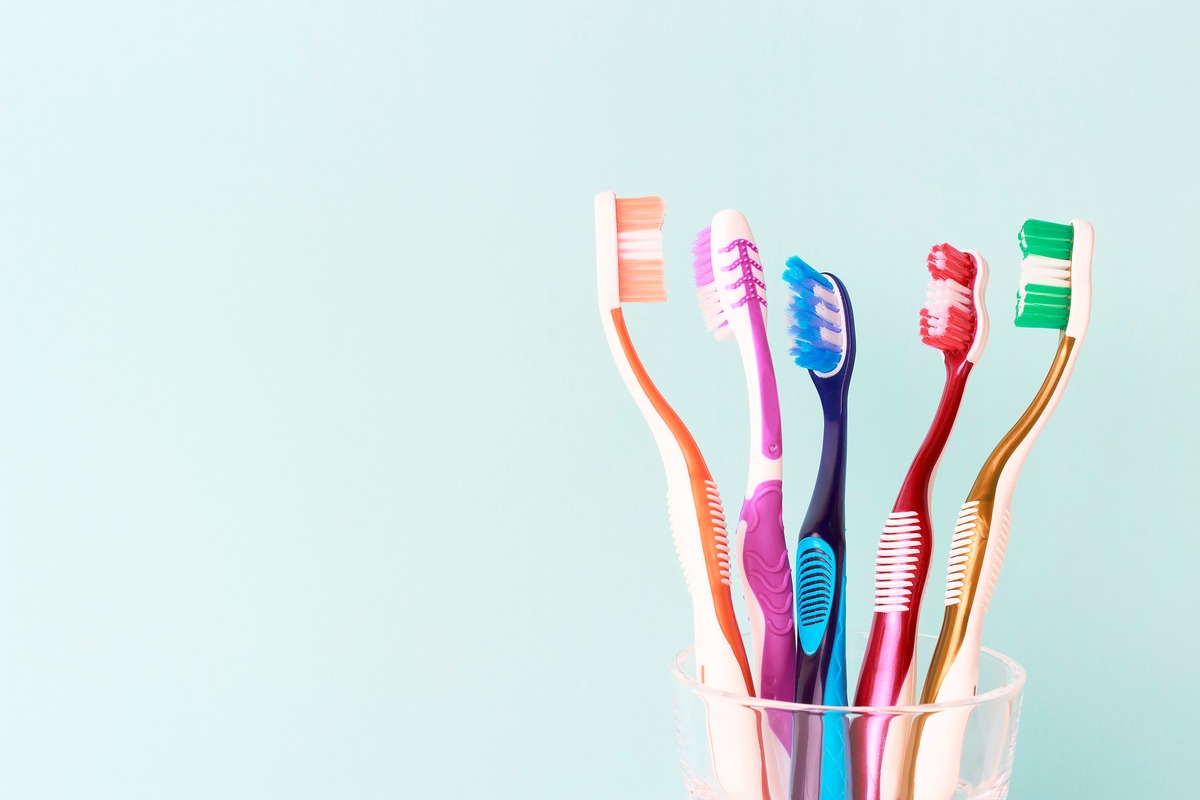
Toothbrushes are designed to clean your teeth, but are they staying clean themselves? It may surprise you to learn that your toothbrush can become a home for bacteria, fungi, and even viruses if not correctly cared for. These germs can lead to reinfection and compromise your oral hygiene. Fortunately, a few easy habits and tools can help you keep your toothbrush cleaner and your mouth healthier.
How to Store Your Toothbrush Properly?
Storage plays a significant role in keeping your toothbrush clean and sanitary.
Where and how you keep your toothbrush can significantly impact its cleanliness. If stored improperly, your toothbrush can remain damp between uses, creating the perfect environment for germs to thrive. Always store your toothbrush upright, preferably in a holder that allows for air circulation and prevents moisture from collecting around the bristles.
Avoid storing your toothbrush in closed containers for extended periods, as this limits ventilation and encourages bacterial growth. Similarly, placing toothbrushes too close together, such as in a shared cup with family members, can allow germs to transfer from one brush to another. Always ensure each toothbrush is separated and doesn’t touch others.
Can Your Toothbrush Spread Illness?
Absolutely. If multiple toothbrushes come into contact, or you’re reusing a toothbrush after being ill, the potential to reintroduce or spread bacteria increases. Germs can linger on moist bristles and may be transmitted back into your mouth or to others. This is why dental professionals recommend isolating toothbrushes and replacing them after an illness.
How to Clean Your Toothbrush?
Keeping your toothbrush clean doesn’t require fancy tools, just a few simple steps. Start by rinsing your toothbrush thoroughly with hot water after each use. This helps remove toothpaste residue and food particles that can harbor bacteria.
You can also disinfect your toothbrush periodically. Here’s how:
-
Soak it in an antibacterial mouthwash for 10–15 minutes.
-
Use a solution of 3% hydrogen peroxide for a quick cleanse.
-
Avoid using the dishwasher or boiling water, which may damage the bristles.
These steps help ensure your toothbrush stays fresh, especially if you accidentally drop it or keep it in a shared environment. If you’re wondering whether your brush is still safe even after rinsing, yes, your toothbrush can still harbor germs. Disinfecting it occasionally is a smart habit.
If you’re looking for more personalized advice, a dentist in Spring at Serenity Dental can guide you on maintaining optimal oral hygiene and toothbrush care.
When Should You Replace Your Toothbrush?
Even with the best cleaning habits, your toothbrush doesn’t last forever. Dentists recommend replacing your toothbrush every 3 to 4 months. Over time, the bristles become worn and less effective at cleaning. Additionally, older brushes can accumulate microscopic bacteria that are more difficult to remove.
If you’ve recently been sick, especially with a cold, flu, or strep throat, it’s a good idea to start fresh with a new toothbrush to avoid reinfection. Likewise, if the bristles appear frayed or bent, it’s time for a replacement, regardless of how long you’ve had it.
Additional Tips for Toothbrush Hygiene
-
Avoid Sharing Toothbrushes: Sharing a toothbrush, even with a family member, can transfer bacteria and viruses directly.
-
Travel Smart: Use a ventilated travel case to protect your toothbrush from germs and ensure it dries properly while on the go.
-
Don’t Use Harsh Cleaners: Bleach or strong cleaning agents are unnecessary and can damage your toothbrush.
Conclusion
Keeping your toothbrush clean is just as important as brushing itself. From proper storage and regular cleaning to timely replacement, these small steps help prevent germs from undermining your oral health. If you have questions about your dental routine or need expert advice, contact us to schedule an appointment. A cleaner toothbrush is one step closer to a healthier smile.