
Katy: 281.971.2124
How to Identify Causes of Black Teeth in Adults?

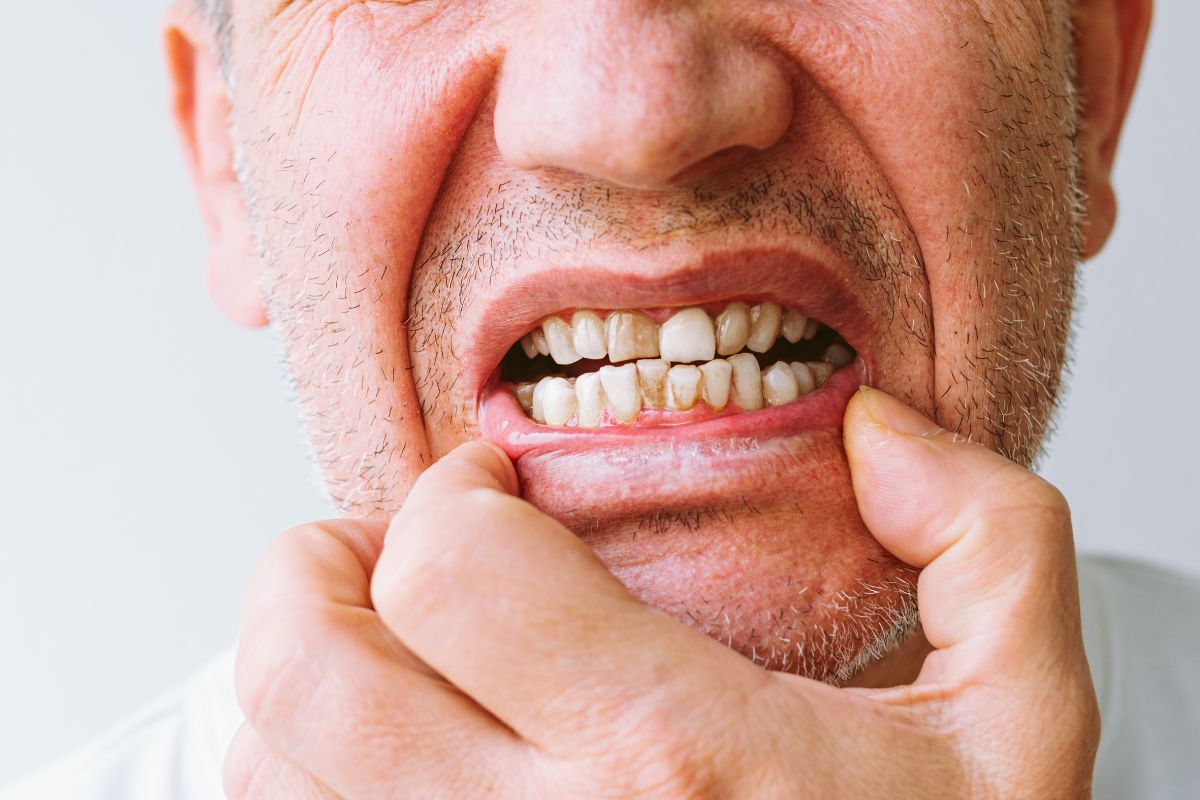
Noticing dark or black spots on your teeth can feel unsettling. You may wonder if it’s something minor or a sign of a bigger issue. At Serenity Dental of Houston, we often meet patients who are unsure why their teeth are changing color and what it means for their oral health. The good news is that understanding the cause is the first step toward fixing it. With the right approach and comprehensive dental care, many cases of tooth discoloration can be treated or even prevented.
Black teeth don’t always mean the same thing for everyone. Sometimes, it’s just surface staining from daily habits. Other times, it could point to underlying dental problems that need attention. Let’s take a closer look at what might be causing it and how to identify the difference.
What Do Black Teeth Mean?
Black teeth can appear in different ways. You might notice small dark spots, lines along the gumline, or an entire tooth turning darker. These changes can be caused by factors on the surface of the tooth or issues deeper inside.
Surface discoloration is usually linked to lifestyle habits, while internal discoloration may be a sign of decay or damage. Knowing which type you’re dealing with can help you decide what to do next.
Common Causes of Black Teeth in Adults
1. Poor Oral Hygiene
When brushing and flossing are skipped or not done properly, plaque builds up on the teeth. Over time, this plaque hardens into tartar, which can appear dark or even black, especially near the gums.
2. Tooth Decay
Cavities don’t always start as white spots. As they progress, they can turn brown or black. If left untreated, decay can spread deeper into the tooth and cause more serious problems.
3. Smoking and Tobacco Use
Tobacco is one of the most common causes of stubborn stains. Nicotine and tar can leave behind dark marks that are difficult to remove with regular brushing.
4. Food and Beverage Stains
Frequent consumption of coffee, tea, red wine, and dark-colored foods can gradually stain your teeth. These stains build up slowly and may become more noticeable over time.
5. Medications
Certain medications, including some antibiotics or iron supplements, can lead to tooth discoloration. These stains often develop from within the tooth rather than on the surface.
6. Dental Trauma
If a tooth has been injured, it may turn gray or black due to damage inside the tooth. This type of discoloration usually requires professional evaluation.
7. Tartar Buildup
When plaque is not removed regularly, it hardens into tartar. This buildup often appears dark and cannot be removed at home, requiring professional cleaning.
How to Tell the Difference Between Surface Stains and Serious Issues?
Not all black discoloration is a cause for concern, but some signs shouldn’t be ignored. Surface stains usually feel smooth and don’t cause pain. They often affect multiple teeth and develop gradually.
On the other hand, if you notice a single dark spot that is growing, accompanied by sensitivity, pain, or swelling, it could be a sign of decay or infection. Sudden changes in tooth color are also worth checking out.
When Should You See a Dentist?
It’s important to seek professional care if you notice:
- Persistent black spots that don’t go away
- Pain or sensitivity in a discolored tooth
- Swelling or discomfort around the gums
- A tooth that suddenly turns dark
If you’re experiencing any of these symptoms, it’s best to contact us for a proper evaluation and guidance on the next steps.
How Black Teeth Are Treated?
The treatment depends on the cause of the discoloration. Some common solutions include:
- Professional cleaning to remove tartar and surface stains
- Fillings or crowns to restore teeth affected by decay
- Root canal treatment for teeth with internal damage
- Teeth whitening for cosmetic improvement
A dental professional can recommend the most suitable option based on your specific condition.
Tips to Prevent Black Teeth
Preventing black teeth is often easier than treating them. Here are a few simple habits to follow:
- Brush your teeth twice a day and floss daily
- Limit consumption of stain-causing foods and drinks
- Avoid tobacco products
- Visit your dentist regularly for checkups and cleanings
Small changes in your daily routine can go a long way in keeping your smile bright and healthy.
Keep Your Smile Healthy and Bright with the Right Care
Dealing with black teeth can feel concerning, but with the right care and timely attention, it’s a problem that can often be managed effectively. Staying informed about the causes and knowing when to seek help can make all the difference in protecting your oral health. If you’re looking for a trusted dentist in Houston who can provide long-term support and personalized solutions for discoloration and overall dental concerns, we are here to help you every step of the way.
At our dental office, we focus on helping you maintain a healthy, confident smile through every stage of care. If you’ve noticed changes in your teeth or simply want to stay ahead of potential issues, don’t wait—visit our dental office and take the next step toward better oral health.