Katy: 281.971.2124
Can Gum Tissue Grow Around Dental Implants- What You Need To Know

You finally decided to replace that missing tooth. You researched your options. You chose implants. Now, one question keeps coming up: Will my gums actually grow back around the implant?
It’s a fair question. And with the heat, humidity, and a fast-paced lifestyle already putting stress on your body, understanding how your gums heal matters even more.
At Serenity Dental, we hear this question during almost every implant consultation. The answer is yes, gum tissue does grow and form a snug seal around an implant. But how that happens and what affects it are worth understanding fully before you start treatment.
What Actually Happens to Your Gums After Implant Placement?
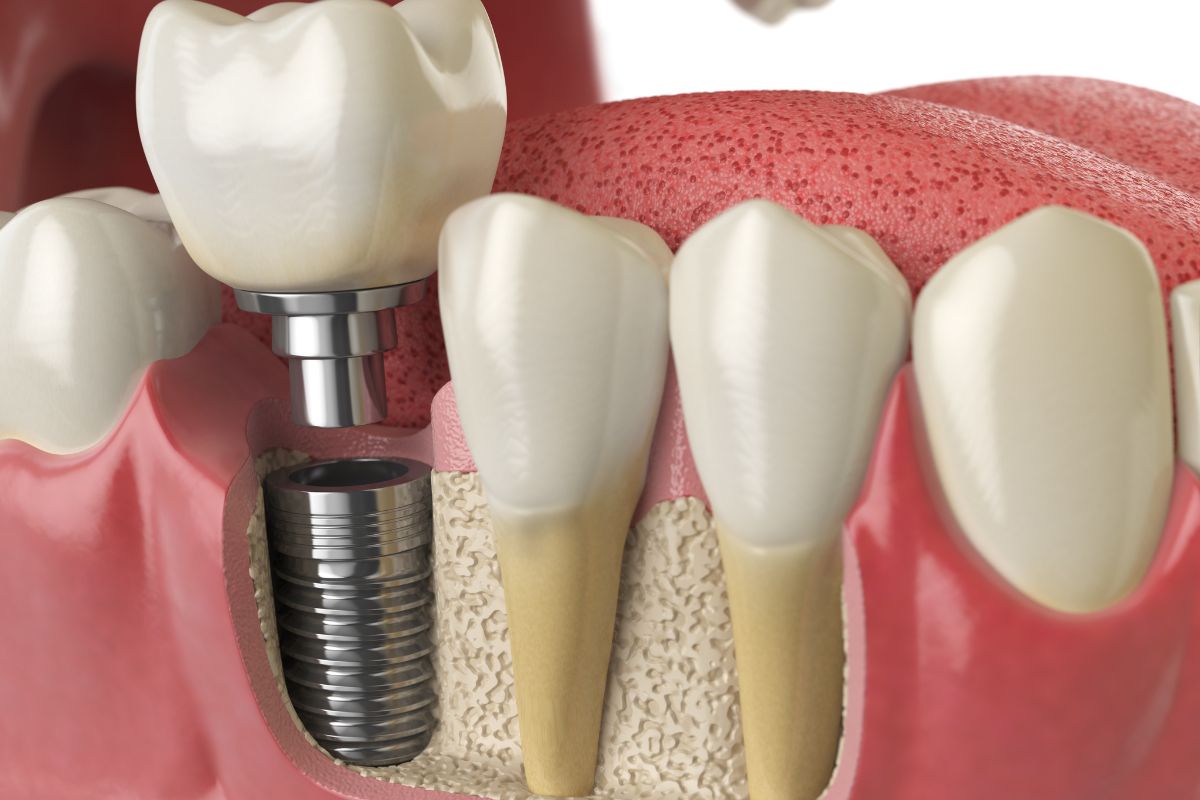
When a titanium implant post is placed in your jawbone, your body immediately begins working on it. The bone fuses around the post through a process called osseointegration. This takes a few months.
At the same time, the soft gum tissue around the implant site begins to heal. It shapes itself around a small component called a healing abutment. This piece sits above the gumline and guides the tissue into the right position.
The gum tissue molds itself into a natural-looking collar around the implant. Over time, it creates a tight biological seal. This covers keep bacteria away from the underlying bone and supports the long-term health of your new tooth.
This is not the same as how gums attach to a natural tooth. Natural teeth have tiny fibers that anchor directly into the root. Implants don’t have that. Instead, the gums form a close, protective barrier. When properly maintained, this barrier is highly stable and very durable.
Can Gum Tissue Grow Over the Implant?
Yes, it can, and this is a different situation entirely. If a healing abutment is not placed, or if it is removed too early, gum tissue can grow over the implant post. This is more common than people think, and it does not mean your implant has failed.
In most cases, a minor in-office procedure can re-expose the implant. Your dentist makes a small incision, uncovers the post, and treatment continues from there. It is a manageable situation when caught early.
The key is attending your follow-up appointments. Our dental team monitors the healing closely. They catch issues like overgrown gum tissue before they become complications.
What Influences How Your Gums Heal?
Several factors influence how well gum tissue grows and seals around an implant.
- Oral hygiene is the biggest factor: Plaque buildup at the gumline causes irritation, which can disrupt healing. It may also lead to peri-implantitis, a condition similar to gum disease that affects the tissue and bone around the implant. Brushing gently, flossing daily, and using an antimicrobial rinse help keep the area clean.
- Your overall health plays a role: Conditions like diabetes or uncontrolled high blood pressure can slow healing. Patients managing chronic conditions should inform their implant provider before treatment. Medications, smoking history, and immune health all influence recovery.
- Hydration supports healing: Heat and humidity, along with daily habits, can sometimes lead to dehydration. A dry mouth can slow tissue repair, while staying hydrated helps support faster healing and healthier gum tissue.
- Placement technique matters: The way the implant is placed affects how the gum tissue heals. Proper depth, angulation, and careful tissue handling during the procedure all contribute to smoother, more effective healing.
Permanent Tooth Replacement Starts With Healthy Gums
If you are exploring a permanent tooth replacement option, the health of your gums before and after surgery is central to the procedure’s success.
Thin or receding gums can be a challenge. If your gum tissue is too thin at the implant site, the seal may not form properly. In these cases, a soft tissue graft may be recommended. This is a minor procedure that thickens the gum tissue and creates a more stable, natural-looking result around the implant.
This is not an obstacle; it is simply part of the planning process. A thorough implant consultation identifies these issues before surgery. That way, your treatment plan accounts for everything from the start.
Ready to find out if implants are right for you? Schedule your consultation today. We make the process clear, simple, and stress-free, from the first scan to the final crown.
Signs Your Gum Tissue Is Healing Well
After implant surgery, it is normal to have some swelling and tenderness for the first few days. As healing progresses, watch for these positive signs:
- The gum tissue around the implant turns a healthy pink color
- Swelling decreases steadily over the first week
- The implant feels firm and does not move
- Bleeding stops within a day or two of surgery
- Cleaning around the implant does not cause significant discomfort
If you notice ongoing bleeding, a bad taste, persistent swelling, or visible pus, contact our dental office right away. Early action prevents small issues from becoming larger ones.
How to Protect Your Gum Tissue Long-Term?
Once the crown is placed and the gums have settled, the work is not over. Keeping your gum tissue healthy around the implant requires consistent effort.
Use a soft-bristled toothbrush and gentle strokes. Focus on the gumline. Floss around the implant daily using floss threaders or implant-specific floss. Consider a water flosser to clean beneath the crown. Visit your dentist regularly for professional cleanings and monitoring.
For those with active lifestyles, whether you’re staying fit, enjoying outdoor activities, or managing a busy daily routine, life moves fast. Dental care is easy to push down the priority list. But consistent maintenance is what turns a good implant placement into a long-lasting result.
Implant Care at Serenity Dental- Four Locations to Serve You
Serenity Dental serves patients across the greater Houston area. In addition to our Houston location, we also welcome patients at our offices in Katy, Spring, and Magnolia. Wherever you are in the region, quality implant care is close to home.
A permanent tooth replacement should last for decades. We help you protect that investment at every stage, from consultation to crown placement to long-term maintenance. Our team takes the time to assess your gum health, carefully plan your treatment, and guide you through every step of the healing process.
The Key to a Lasting Smile: Healthy Gum Tissue Around Your Implants
So, can gum tissue grow around dental implants? Absolutely. In fact, that healing process is one of the most important parts of a successful outcome. When gum tissue forms a tight, healthy seal around the implant, it protects the bone beneath and supports a natural-looking smile for years to come.
At our dental office, we walk every patient through this process with clarity and care. Whether you are just starting to explore your options or you are ready to move forward, we are here to help.
Book your implant consultation today and take the first step toward a complete, confident smile.
Frequently Asked Questions
1. Does it hurt when gum tissue grows around an implant?
Some tenderness is normal in the first few days after surgery. As healing progresses, discomfort fades. If pain persists or worsens, visit your dental office to rule out infection or complications.
2. How long does it take for gums to heal around an implant?
Initial gum healing typically takes a few weeks. Full healing, including osseointegration, can take three to six months or longer, depending on your health and the complexity of the case.
3. What happens if gum tissue grows over the implant post?
If the gum tissue covers the implant post, a minor in-office procedure can uncover it. This is not uncommon and does not mean the implant has failed. A prompt visit to your dental team resolves it quickly.
4. Can I speed up gum healing after implant surgery?
Staying hydrated, avoiding smoking, maintaining good oral hygiene, and following your dentist’s post-op instructions all support faster healing. Eating soft, nutrient-rich foods also helps during recovery.
5. Do I need a soft tissue graft before getting an implant?
Not always. If your gum tissue is thin or receding at the implant site, a graft may be recommended to improve healing and aesthetics. Your dentist will evaluate this during your consultation.
6. How do I clean around an implant to protect my gums?
Use a soft toothbrush, floss threaders or implant floss, and consider a water flosser. Clean around the gumline daily and visit your dental office regularly for professional maintenance.
7. Is gum recession around implants reversible?
A mild recession can sometimes be addressed with a soft tissue graft or other procedures. Early detection matters. Regular check-ups allow your dentist to catch and address recession before it becomes a serious concern.