
Katy: 281.971.2124
Why Does My Child Keep Getting Cavities Even Though They Brush?

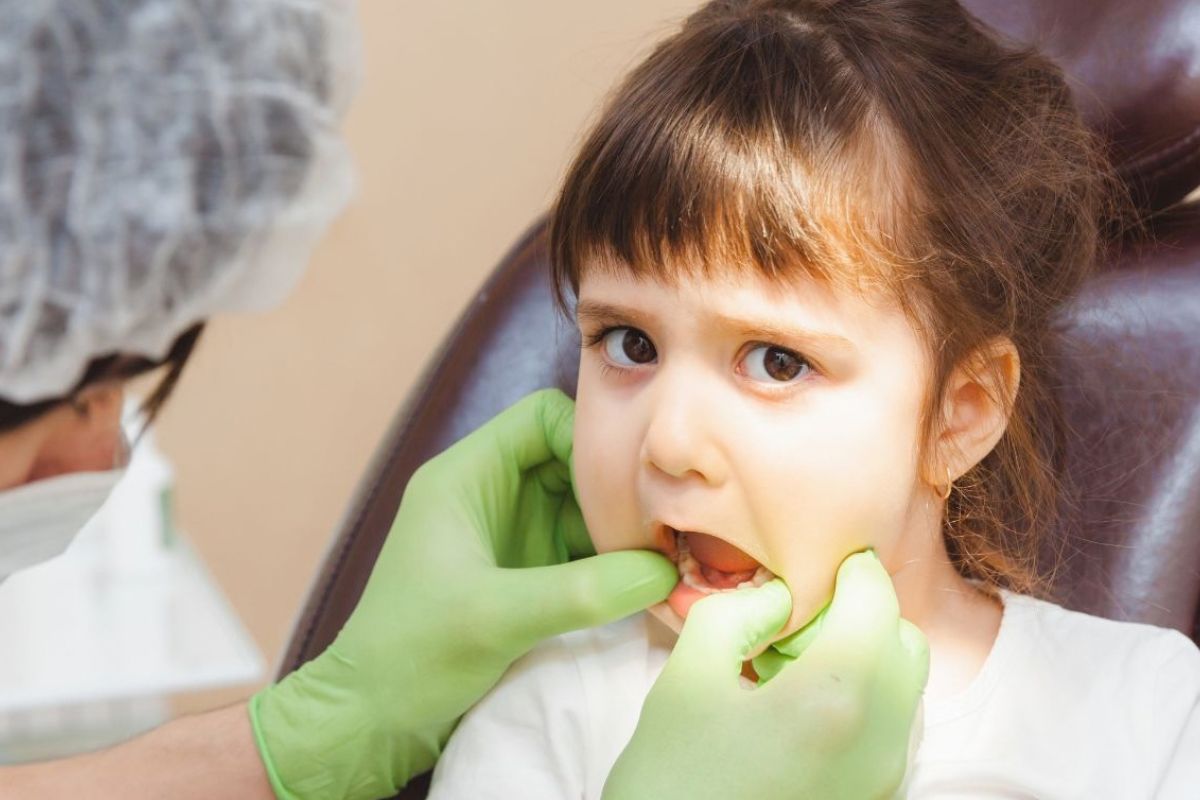
You remind your child to brush every morning and night, yet somehow another cavity shows up at the next dental visit. If you’re wondering how that can happen when your child seems to be doing everything right, you’re not alone. Brushing is one of the most important parts of preventing cavities, but it is only one piece of the bigger picture. At Serenity Dental of Houston, we often help parents understand why cavities can keep coming back even when a child brushes regularly.
Good pediatric dentistry looks at more than whether a child brushes twice a day. Brushing technique, eating habits, tooth shape, fluoride exposure, saliva, and how often a child’s teeth are exposed to sugar can all affect cavity risk. Understanding these factors can make it easier to figure out what may be contributing to your child’s recurring cavities.
Brushing Alone Doesn’t Prevent Every Cavity
Brushing removes plaque, the sticky film that builds up on teeth. Plaque contains bacteria that can use sugars from foods and drinks to produce acids. Over time, those acids can weaken tooth enamel and contribute to cavities.
Remember, brushing does not control every factor involved.
A child may brush twice a day but still have plaque left around the back teeth or between the teeth. They may also snack frequently throughout the day or sip sweetened drinks for long periods. Some children naturally have deeper grooves in their back teeth that are harder to clean.
So if your child keeps getting cavities, it does not automatically mean they’re not brushing well enough.
Your Child May Not Be Brushing as Thoroughly as You Think
Children are still developing the coordination needed to brush every surface effectively. They may brush the front teeth carefully while rushing through the back teeth, or they may spend only a few seconds brushing.
Commonly missed areas include:
- The chewing surfaces of back teeth
- The sides of the back molars
- Areas close to the gumline
- The inside surfaces of the teeth
- Areas around orthodontic appliances, if applicable
Younger children often need help or supervision with brushing. Even when a child insists they can do it themselves, a parent may still need to check their technique or help with the final part of brushing.
The goal isn’t simply to brush for a certain amount of time. It is to make sure all tooth surfaces are being cleaned properly with fluoride toothpaste.
Your Child May Be Missing the Areas Between Their Teeth
A toothbrush cannot effectively clean every area where two teeth touch.
This is particularly important when a child’s teeth are close together. Food particles and plaque can remain between the teeth, creating an area where cavities can develop.
Flossing or another dentist-recommended method of cleaning between the teeth can help reach these spaces.
If your child’s teeth touch tightly, ask the dental team to demonstrate how to clean between them. Sometimes a small change in technique can make a noticeable difference.
Frequent Snacking Can Increase Cavity Risk
Candy is not the only thing that can contribute to cavities.
Eating frequency can matter because every time your child consumes carbohydrates or sugars, plaque bacteria can produce acids that affect the teeth. If a child is constantly snacking throughout the day, the teeth may have less time between exposures.
For example, a child who eats small amounts of crackers, fruit snacks, cookies, or other carbohydrate-containing foods repeatedly throughout the day may have more frequent acid exposure than a child who eats those foods as part of a meal.
This doesn’t mean children need to avoid every food they enjoy. Instead, parents can focus on balanced meals, reasonable snack times, and avoiding constant grazing.
Drinks May Be Playing a Bigger Role Than You Realize
What your child drinks can also affect cavity risk.
Juice, soda, sports drinks, sweetened tea, flavored drinks, and other sugar-containing beverages can repeatedly expose teeth to sugar. Even a drink that seems harmless can become a concern when a child sips it slowly over a long period.
Water is a simple everyday choice between meals and throughout the day.
Milk can also be part of a child’s diet, but it is still important to follow appropriate serving and meal routines rather than letting a child sip beverages throughout the day.
If you’re unsure whether your child’s drinking habits could be contributing to recurring cavities, bring the question to their dental visit. Small details about a child’s daily routine can sometimes reveal patterns that are easy to overlook.
Baby Teeth Still Need Serious Attention
One common misconception is that cavities in baby teeth don’t matter because those teeth will eventually fall out.
Baby teeth play important roles before the permanent teeth arrive. They help children chew food, speak clearly, and maintain space for permanent teeth to develop.
A cavity can also become painful or infected if it progresses. Depending on the tooth and the child’s age, untreated decay may create problems before the permanent replacement tooth is ready to come in.
That is why parents shouldn’t simply wait for a cavity in a baby tooth to disappear on its own.
Some Children Are Simply More Prone to Cavities
Sometimes, recurring cavities happen even when a family is making a genuine effort with oral hygiene.
The shape of a child’s teeth can play a role. Some back teeth have deep grooves and pits that toothbrush bristles can’t reach. Children who have had cavities before may also have a higher risk of developing additional decay.
Other factors can include:
- Reduced saliva or dry mouth
- Frequent exposure to sugary or acidic foods and drinks
- Limited fluoride exposure
- Certain medications
- The natural shape of the teeth
- Difficulty cleaning crowded or closely spaced teeth
This is why treating every child the same way isn’t always helpful. A dental team can review the child’s individual risk factors and explain what may be contributing to repeated cavities.
A Closer Look at Your Child’s Dental Health
At our dental practice, we understand that parents may feel frustrated when cavities keep returning despite consistent brushing. During a child’s dental visit, our team can assess the condition of the teeth, discuss daily brushing and eating habits, and identify areas that may need extra attention. The goal is to help parents understand what is happening rather than simply telling them to brush more. If you have concerns about your child’s recurring cavities, contact us so we can discuss them.
Fluoride and Dental Sealants Can Add Another Layer of Protection
Brushing with fluoride toothpaste is an important part of protecting children’s teeth. Fluoride helps strengthen enamel and can make teeth more resistant to acid.
Some children may also benefit from dental sealants.
Sealants are thin protective coatings placed over the chewing surfaces of certain back teeth. These teeth often have grooves where food and plaque can become trapped. A sealant can create a smoother surface that is easier to keep clean.
Not every child needs sealants on every tooth. A dentist can determine whether they may be helpful based on the child’s age, tooth development, cavity history, and individual risk.
What Parents Can Do If Cavities Keep Coming Back
If your child keeps developing cavities, don’t assume the answer is simply brushing harder. Instead, look at the entire daily routine.
Here are some practical steps to consider:
Check the brushing technique: Make sure your child is reaching the back teeth, gumline, and chewing surfaces.
Supervise brushing when needed: Younger children often need assistance because they may not yet have the coordination to clean every area thoroughly.
Clean between the teeth: Ask your child’s dentist how often and which method is most appropriate.
Pay attention to snacking frequency: Try to avoid constant grazing throughout the day.
Choose water regularly: Especially between meals, water can help avoid repeated exposure to sugary drinks.
Use fluoride toothpaste appropriately: Follow your dental professional’s guidance regarding the amount suitable for your child’s age.
Keep regular dental visits: These visits allow the dental team to monitor developing teeth and identify early changes before they become larger problems.
Most importantly, try to look for patterns instead of blaming yourself or your child. Recurring cavities can have several contributing factors.
When Should You Be Concerned About Repeated Cavities?
A child who develops multiple cavities within a relatively short period deserves a closer look at their overall cavity risk.
You should also pay attention to symptoms such as:
- Tooth sensitivity
- Pain while eating
- Pain that wakes your child at night
- A visible white, brown, or dark area on a tooth
- Swelling around a tooth or gum
- Difficulty chewing
- Food repeatedly becoming trapped in one area
A child does not always experience pain when a cavity is developing. Regular examinations can help identify problems that may not yet be causing noticeable symptoms.
Helping Your Child Break the Cycle of Cavities
When a child keeps getting cavities despite brushing, it can frustrate the whole family. But recurring cavities don’t necessarily mean your child is doing something wrong. Brushing is important, but cavity prevention also involves cleaning between the teeth, eating and drinking habits, fluoride, tooth anatomy, saliva, and regular dental care.
The right approach is to look at the complete picture and identify the factors that may be making your child’s teeth more vulnerable. Our pediatric dentist in Louetta can help a child who keeps getting cavities despite brushing by evaluating their individual cavity risk and helping parents understand which preventive steps may be most useful.
Keeping Your Child’s Smile Healthy
We believe understanding your child’s dental health is key to preventing future problems. Our team can help you identify possible reasons for recurring cavities and provide guidance that fits your child’s needs. If you’re concerned about your child’s oral health, request an appointment to get started.


