Katy: 281.971.2124
Do White Spots on Teeth Indicate Enamel Loss?

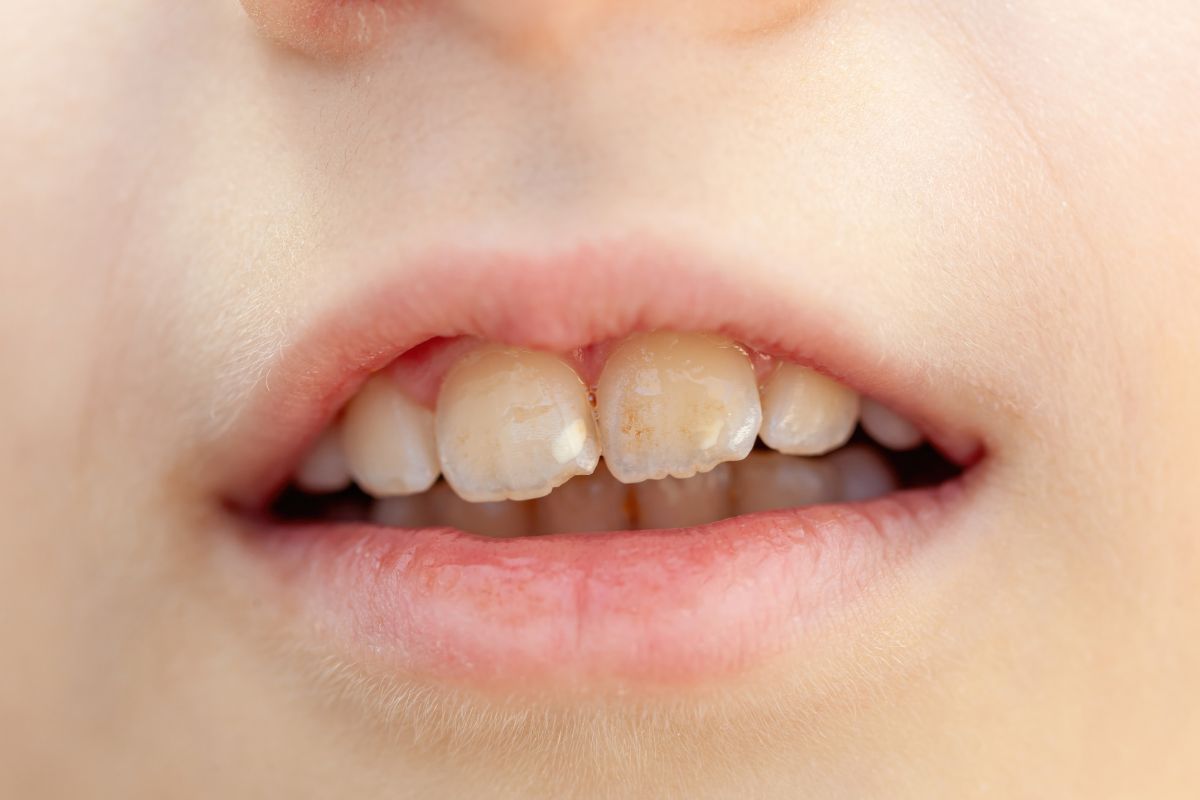
You might notice faint white patches on your teeth while brushing or smiling in the mirror and wonder if it’s something to worry about. These spots often don’t cause pain, so it’s easy to ignore them. Still, many people question whether white spots are just a cosmetic issue—or a sign that something deeper is happening with their enamel.
Understanding what these white areas mean can help you protect your teeth early and avoid bigger concerns later.
What Are White Spots on Teeth?
White spots are areas on the tooth surface that appear lighter or chalkier compared to the surrounding enamel. They stand out because the enamel in that spot reflects light differently. These patches can appear on both children’s and adults’ teeth and may develop slowly over time or show up after certain dental treatments.
Do White Spots Always Mean Enamel Loss?
Not always—but they can be an early clue. White spots often indicate that minerals have been lost from the enamel in that specific area. This process is called demineralization. While it doesn’t always mean permanent damage, it does signal that the enamel is weaker than it should be.
Think of white spots as a warning sign rather than a final diagnosis.
If you’re unsure what’s causing the white spots on your teeth, contact us to get clarity and understand whether your enamel needs attention.
Common Causes of White Spots on Teeth
Several everyday factors can lead to white spots, including:
- Early enamel weakening caused by acids from food and drinks
- Inconsistent brushing or flossing, allowing plaque to sit on teeth
- Sugary or acidic diets that slowly wear down enamel
- Braces or aligners, where plaque builds up around brackets
- Too much fluoride during childhood tooth development
Each cause affects enamel differently, which is why white spots vary in size and appearance.
How Enamel Loss Develops Over Time?
Enamel is the protective outer layer of your teeth, but it isn’t indestructible. Frequent exposure to acids, dry mouth, or poor oral hygiene can slowly strip minerals away. Once enamel weakens, it doesn’t regenerate on its own.
White spots are often the first visible sign that enamel is under stress—long before cavities form.
Are White Spots Harmful If Left Untreated?
Some white spots remain stable and don’t progress. Others can deepen over time, making the tooth more vulnerable to decay. When enamel continues to weaken, bacteria can penetrate the surface more easily.
That’s why it’s important not to ignore these changes, even if they don’t hurt.
How White Spots Are Treated?
Treatment depends on the cause and severity. In early cases, strengthening enamel through remineralization may help improve appearance and stop progression. When white spots affect confidence or remain visible, cosmetic solutions may be considered.
In some situations, a personalized cosmetic dentistry service focused on restoring natural tooth color can help blend the affected areas while preserving as much enamel as possible.
When Should You See a Dentist?
If white spots seem to be spreading, becoming more noticeable, or appearing alongside sensitivity, it’s a good idea to have them checked. A dental exam can determine whether the enamel is stable or needs attention.
If you notice any of these changes, request an appointment to have your teeth evaluated and get clear guidance on next steps.
Everyday Tips to Protect Your Enamel
You can support enamel health by:
- Brushing gently with a soft toothbrush
- Limiting frequent snacking on sugary or acidic foods
- Drinking water after acidic beverages
- Using fluoride products as recommended
Small daily habits make a big difference over time.
Protect Your Enamel and Smile with Confidence – Visit Serenity Dental
White spots don’t always indicate serious enamel loss, but they are worth noting. Addressing changes early can help protect your teeth and maintain a healthy smile over time. Serenity Dental supports patients in Magnolia and also welcomes patients from Katy, Spring, and Houston, with offices available in each of these locations for added convenience.
If you’ve noticed white spots on your teeth and want professional insight, visit our dental office to take an informed step toward long-term oral health.