Katy: 281.971.2124
Will Gum Tissue Grow Over a Bone Graft? Understanding the Healing Process

If you’re dealing with gum disease or tooth loss, additional procedures are often necessary to preserve the jawbone and protect your oral health. Bone grafting commonly strengthens the jaw and provides support for natural teeth or dental prosthetics, especially when bone loss has already occurred.
Many patients undergoing gum disease treatment have an important question: Will the gum tissue grow over the area after a bone grafting procedure? Understanding how the gums and bone heal together can help set realistic expectations and ease concerns during recovery.
Gum Disease and Bone Loss
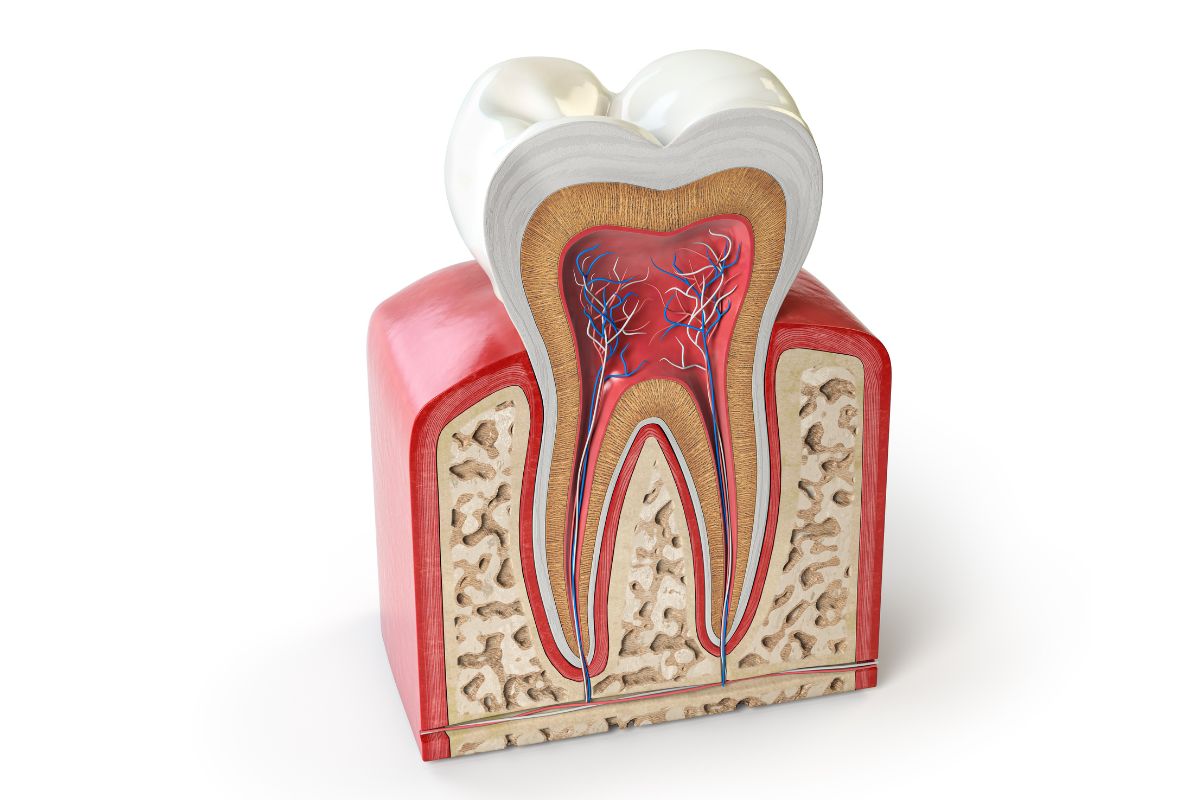
Gum disease—particularly its advanced stage, periodontitis—can lead to significant deterioration of the jawbone. When harmful bacteria spread below the gum line, inflammation develops, causing swelling, tenderness, and gradual breakdown of the bone that supports the teeth. As this condition progresses, teeth may become loose or even fall out.
Common signs of gum disease include:
- Swollen, bleeding, or receding gums
- Shifting or loose teeth
- Increased tooth sensitivity
- Persistent bad breath
Severe bone loss can make it harder to restore dental health and maintain natural facial structure. In such cases, bone regeneration procedures may be necessary to rebuild lost support and improve long-term outcomes.
Healing and Bone Restoration After Grafting
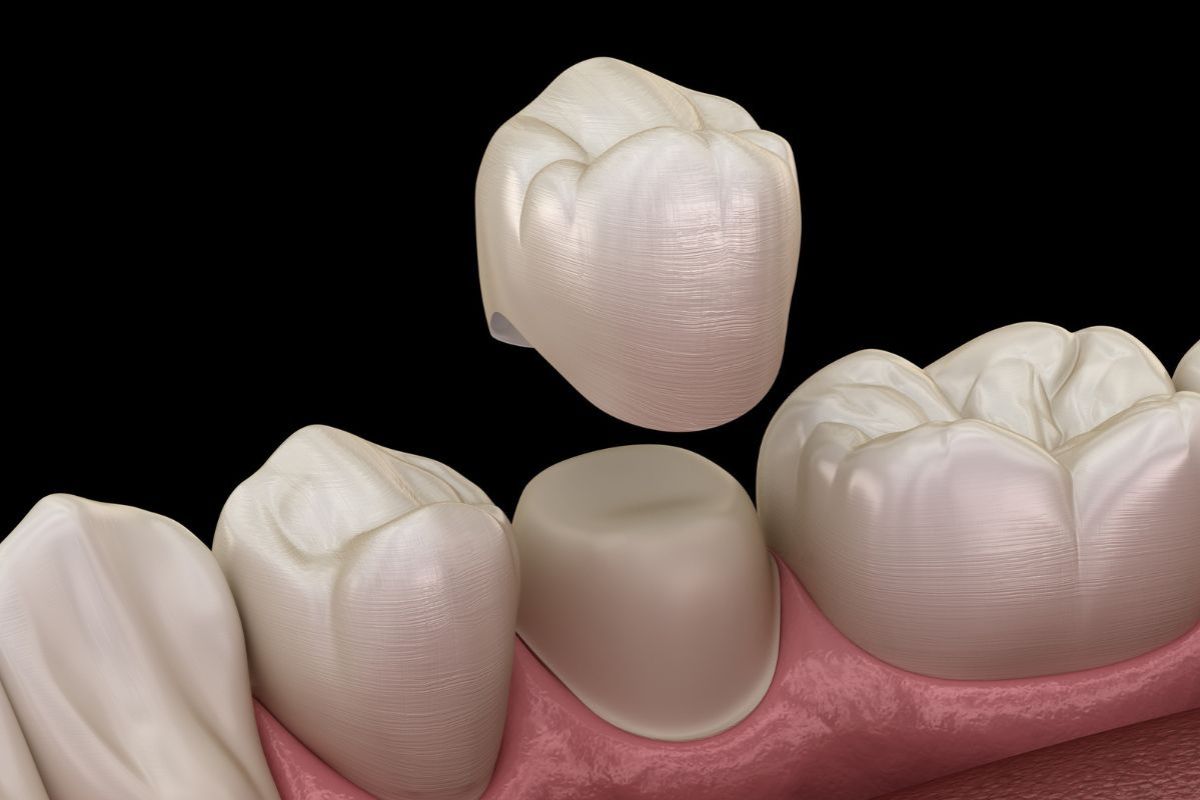
Bone grafting is a well-established method for reversing bone loss and is often performed alongside dental implant treatment. During the procedure, a bone-supporting material is placed in the affected area to encourage the body’s natural bone regeneration process.
To prepare the site, the damaged area is allowed to be thoroughly cleaned by gently moving back the gum tissue. This step is essential to prevent further infection and allow new bone to form properly. Once the grafting material is placed, the gums play an important role in protecting the area as healing begins.
In some cases, a protective barrier is used to prevent the gum tissue from growing into spaces meant for bone regeneration. This helps ensure that the new bone develops correctly and creates a stable foundation.
Phases of Healing and Gum Tissue Development
Healing after a bone graft typically occurs in stages:
- Initial Recovery: In the first few weeks, the gum tissue begins to repair and cover the treated area.
- Bone Integration: Over time, the graft material stimulates new bone growth, strengthening the jaw.
- Membrane Dissolution: If a barrier is placed, it gradually dissolves as the bone matures.
- Complete Healing: Once healing is complete, the gum tissue naturally grows over the area, providing stability and protection for future restorations.
Factors That Influence Recovery
Several factors can affect how well your gums and bone heal after a grafting procedure:
- Type of graft material: Different materials integrate at different rates
- Overall health: Conditions such as diabetes or smoking can slow healing
- Aftercare: Good oral hygiene and following post-procedure instructions support recovery
- Dentist’s expertise: Proper technique plays a major role in successful outcomes
With appropriate care, gum tissue will naturally grow over the healed bone graft, helping protect and maintain the regenerated bone beneath it.
Support Healthy Healing with Serenity Dental
Bone grafting is a vital step in restoring oral health for patients affected by bone loss due to gum disease or missing teeth. Understanding the healing process can help you feel more confident as your gums and bone recover together. With personalized care and proper follow-up, long-term stability and comfort are achievable.
If you’re considering bone grafting or need guidance on your treatment options, request an appointment with Serenity Dental of Houston to take the next step toward a healthier, stronger smile.