Katy: 281.971.2124
Is A Root Canal On A Front Tooth Different From A Molar?

If you’ve ever been told you need a root canal, your first thought might be about pain or discomfort. But another common question many patients ask is whether the procedure is different depending on which tooth is being treated. Is a root canal on a front tooth the same as one on a molar?
The short answer is yes and no. The goal of root canal treatment is always the same — to remove infection inside the tooth and protect it from further damage. However, the process can vary slightly depending on the type of tooth involved.
Let’s break it down in simple terms.
Why Do Teeth Need a Root Canal?
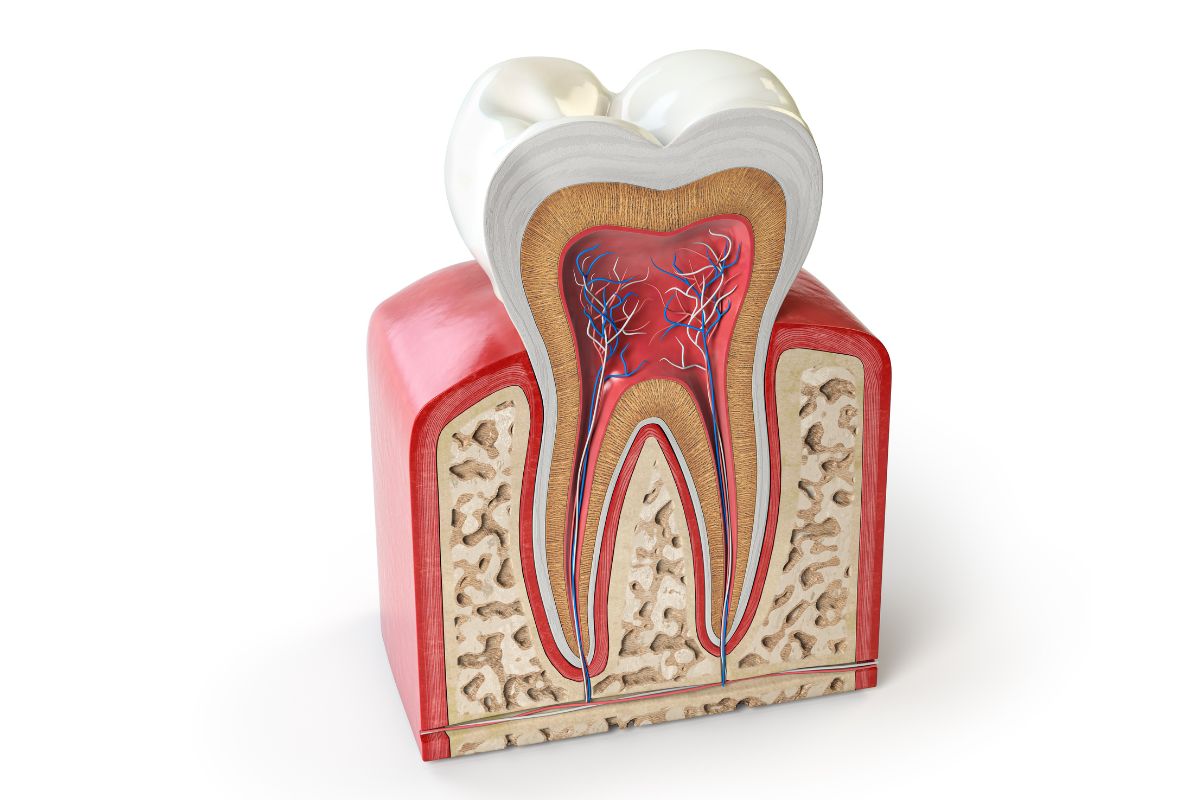
Inside every tooth is a soft area called the pulp. This area contains nerves and blood vessels. When bacteria enter the pulp due to deep decay, a crack, or an injury, it can cause infection and pain.
You might notice:
- Persistent tooth pain
- Sensitivity to hot or cold
- Swelling around the gums
- A darkened tooth
- Tenderness when chewing
When this happens, a root canal helps remove the infected tissue, clean the inside of the tooth, and seal it to prevent further issues.
How Front Teeth and Molars Are Different?
Teeth are not all shaped the same.
Front teeth (incisors and canines):
- Usually has one root
- Are smaller
- Have a straighter root canal
Molars (back teeth):
- Often have two or three roots
- Have multiple canals
- Are larger and more complex
Because of this structural difference, molars tend to require more time and precision during treatment.
Is the Procedure Actually Different?
The steps of a root canal treatment remain the same, no matter which tooth is being treated:
- The area is numbed for comfort.
- A small opening is made in the tooth.
- The infected pulp is removed.
- The inside is cleaned and disinfected.
- The space is filled and sealed.
The main difference lies in complexity. A front tooth usually has a single canal, which makes it simpler to treat. Molars may have multiple canals that need careful cleaning, which can make the procedure longer.
Does It Feel Different?
Most patients are surprised to learn that a root canal feels similar to getting a regular filling. Modern techniques focus on comfort, so the experience is generally manageable.
After treatment:
- Mild soreness is normal for a few days.
- Front teeth may feel slightly sensitive when biting.
- Molars may feel tender due to chewing pressure.
Proper aftercare and following your dentist’s instructions make recovery smoother.
If you’re experiencing tooth pain and aren’t sure what’s causing it, it’s always better to contact us for guidance before the issue worsens.
What About Appearance?
When a front tooth needs treatment, appearance becomes an important factor. Since these teeth are visible when you smile, maintaining a natural look matters.
Front teeth may sometimes only require a filling after the procedure, depending on how much structure remains. Molars, on the other hand, often need crowns because they handle more chewing pressure and require added strength.
The goal is always to restore both function and appearance in a balanced way.
When Should You See a Dentist?
Ignoring tooth pain rarely makes it disappear. Early treatment can prevent more serious problems like swelling, spreading infection, or tooth loss.
You should schedule an evaluation if you notice:
- Lingering pain
- Swelling around a tooth
- Sensitivity that doesn’t go away
- A chipped or injured tooth
Taking action early often makes treatment simpler and more comfortable.
Protect Your Teeth With Confidence – Visit Serenity Dental
Tooth infections can feel overwhelming, especially when you’re unsure what the treatment involves. Whether it’s a front tooth or a molar, understanding the differences can help you feel more at ease about the process.
At Serenity Dental of Katy, we believe in helping patients make informed decisions about their oral health. If you’re looking for a trusted dentist in Katy who takes the time to explain your options clearly and comfortably, our team is here to help.
Don’t ignore tooth pain or sensitivity. Visit our dental office to protect your smile and keep it healthy for years to come.