Katy: 281.971.2124
What Are the Early Signs of Dental Crown Infection?

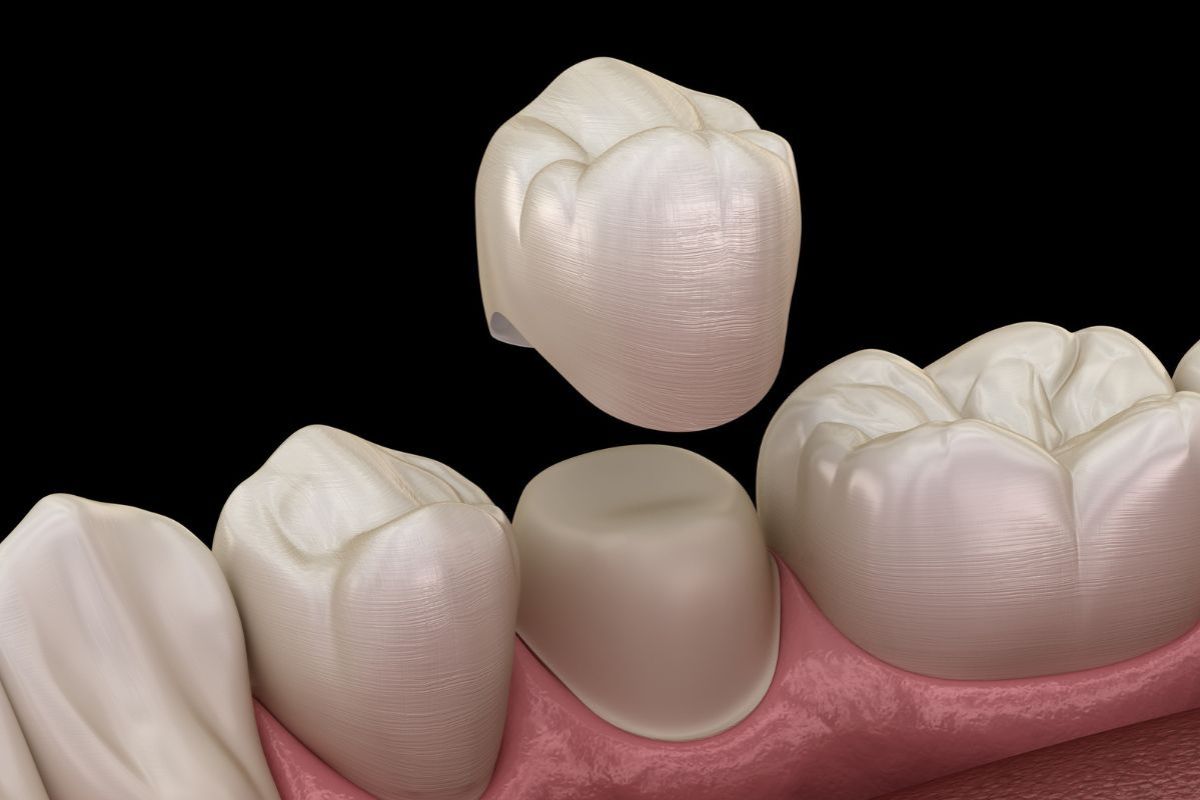
Getting a dental crown often feels like the final step toward fixing a troubled tooth. Once it’s placed, many people assume the problem is solved for good. While crowns are designed to protect and strengthen a tooth, they don’t make it immune to future issues. In some cases, an infection can develop underneath or around a crown without being obvious at first.
That’s why understanding the early signs of a dental crown infection matters. When caught early, these problems are usually easier to manage and far less uncomfortable. Let’s walk through what a crown infection is, why it happens, and the warning signs you shouldn’t ignore—so you know when it’s time to seek professional dental care that people rely on for guidance and support.
What Is a Dental Crown Infection?
A dental crown is a cap placed over a damaged or weakened tooth to restore its shape, strength, and function. While the crown itself can’t decay, the natural tooth underneath still can.
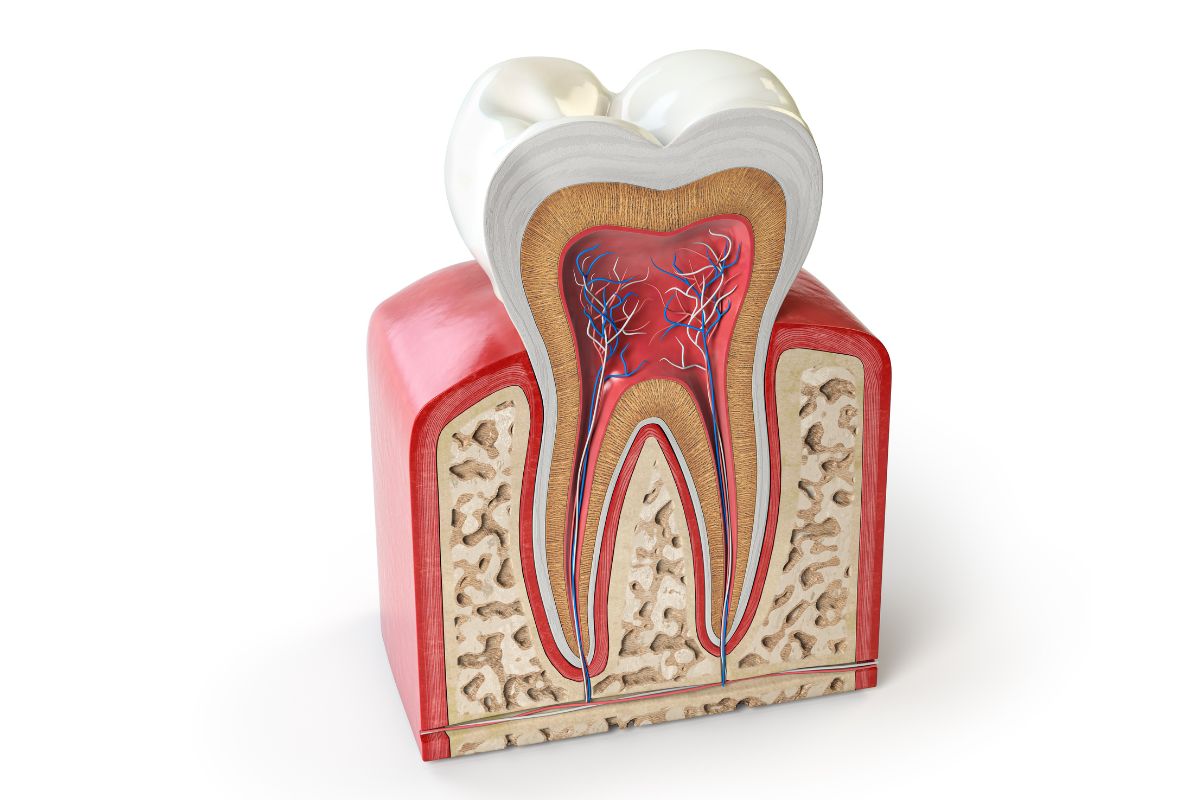
A crown infection occurs when bacteria enter beneath the crown or into the surrounding gum tissue. This can happen if decay develops under the crown, if the tooth was already compromised, or if bacteria enter through small gaps or cracks. Over time, these trapped bacteria can irritate the tooth’s inner tissue or lead to an infection.
Why Catching a Crown Infection Early Is Important?
Crown infections don’t always cause severe pain right away. Early symptoms can be mild and easy to dismiss, which is why they sometimes go untreated. However, ignoring these signs can allow the infection to spread, leading to swelling, abscesses, or even damage to the bone supporting the tooth.
Paying attention to early warning signs helps prevent bigger problems and often means simpler treatment. Your body usually gives subtle signals when something isn’t right—it’s important to listen.
Early Signs of a Dental Crown Infection to Watch For
Ongoing Tooth Sensitivity
If you notice sensitivity to heat or cold that doesn’t fade or keeps returning, it could be more than normal. Lingering discomfort may indicate irritation or infection beneath the crown.
Pain When Chewing or Biting
A crowned tooth should feel natural when you chew. Pain or pressure while biting down can suggest inflammation or infection under the crown, especially if the pain increases over time.
Swollen or Tender Gums Around the Crown
Redness, puffiness, or soreness around the gumline near the crown is often an early sign of trouble. Gums may also bleed more easily when brushing or flossing.
Bad Taste or Persistent Bad Breath
A persistent unpleasant taste or breath that doesn’t improve with brushing may be due to bacterial buildup or an infection under the crown.
Changes in Gum or Tooth Color
Darkening near the crowned tooth or along the gumline can signal tissue damage or infection developing beneath the crown.
Small Bumps or Pus Near the Gums
A pimple-like bump on the gums near a crowned tooth can indicate an abscess. This is a clear sign that the area needs professional attention.
What Causes an Infection Under a Dental Crown?
Several factors can lead to a crown infection, including:
- Tooth decay developing beneath the crown
- Cracks in the tooth that allow bacteria inside
- A crown that has loosened over time
- Gum disease affecting the area around the crown
Even crowns placed years ago can develop issues, which is why regular checkups and self-awareness are important.
What to Do If You Notice These Symptoms?
If something feels off with a crowned tooth, don’t wait for the pain to get worse. Early symptoms are your cue to take action. Reaching out for professional advice can help determine whether the issue is minor or needs treatment. If you’re unsure about what you’re experiencing, it’s always better to contact us and ask rather than ignore the signs.
How Dental Crown Infections Are Treated?
Treatment depends on how advanced the infection is. A dental exam and imaging help identify the source of the problem. In some cases, cleaning the area or replacing the crown may be enough. If the infection has reached the inner tooth, further treatment may be needed to remove bacteria and protect the tooth.
The key takeaway: the sooner an infection is found, the more straightforward the solution usually is.
How to Reduce the Risk of Crown Infections?
You can lower the chances of infection by:
- Brushing and flossing carefully around crowned teeth
- Paying attention to changes in sensitivity or gum health
- Keeping up with routine dental visits
- Avoiding habits that could crack or damage crowns
Simple daily care goes a long way in keeping both your crown and natural tooth healthy.
Protect Your Crowned Teeth with Ongoing Care with Serenity Dental
Early signs of a dental crown infection are often subtle, but they shouldn’t be ignored. Sensitivity, gum changes, or discomfort while chewing may be your body’s way of asking for help. If you’re looking for a dentist in Magnolia who can evaluate these symptoms and guide you through the next steps, timely care can make all the difference. At Serenity Dental of Magnolia, we’re here to help you understand what’s happening and support your oral health every step of the way. If you’re concerned about a crowned tooth, you can book an appointment with us to get the clarity and care you need.