Katy: 281.971.2124
What Are the Best Ways to Fix Small Teeth?

Have you ever caught yourself holding back a full smile because your teeth look too small or short? You are not alone. A lot of people feel self-conscious about the size of their teeth, and the good news is that there are real, effective solutions available to help. Whether your small teeth are something you were born with or the result of years of wear, modern dentistry has come a long way in giving patients the smile they have always wanted.
Today, cosmetic dentistry treatment has made it easier than ever to correct the size, shape, and proportion of your teeth without having to go through lengthy or complicated procedures. From quick, single-visit fixes to longer-lasting solutions, there is an option for just about every situation and budget.
Before jumping into what can be done, understanding what might be causing your teeth to look smaller than they should helps.
Why Do Some People Have Small Teeth?
Teeth come in all shapes and sizes, and the reasons behind smaller-than-average teeth can vary quite a bit from one person to the next.
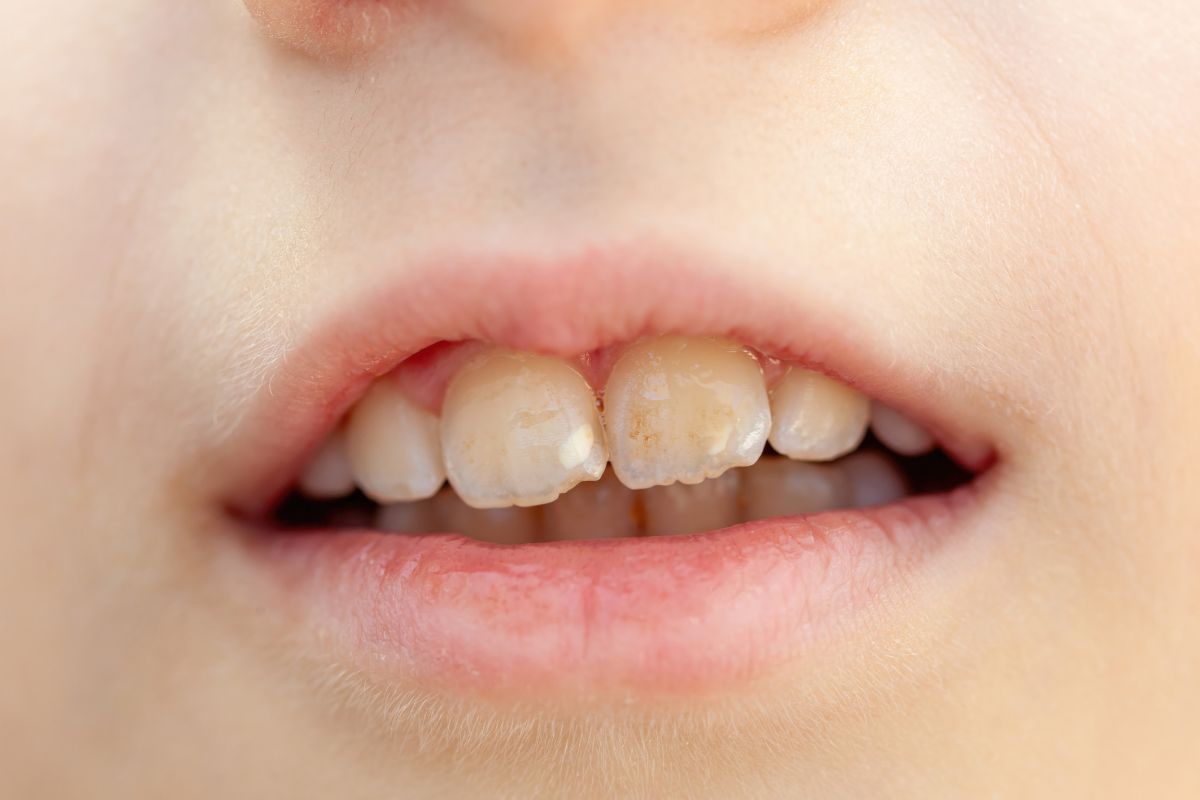
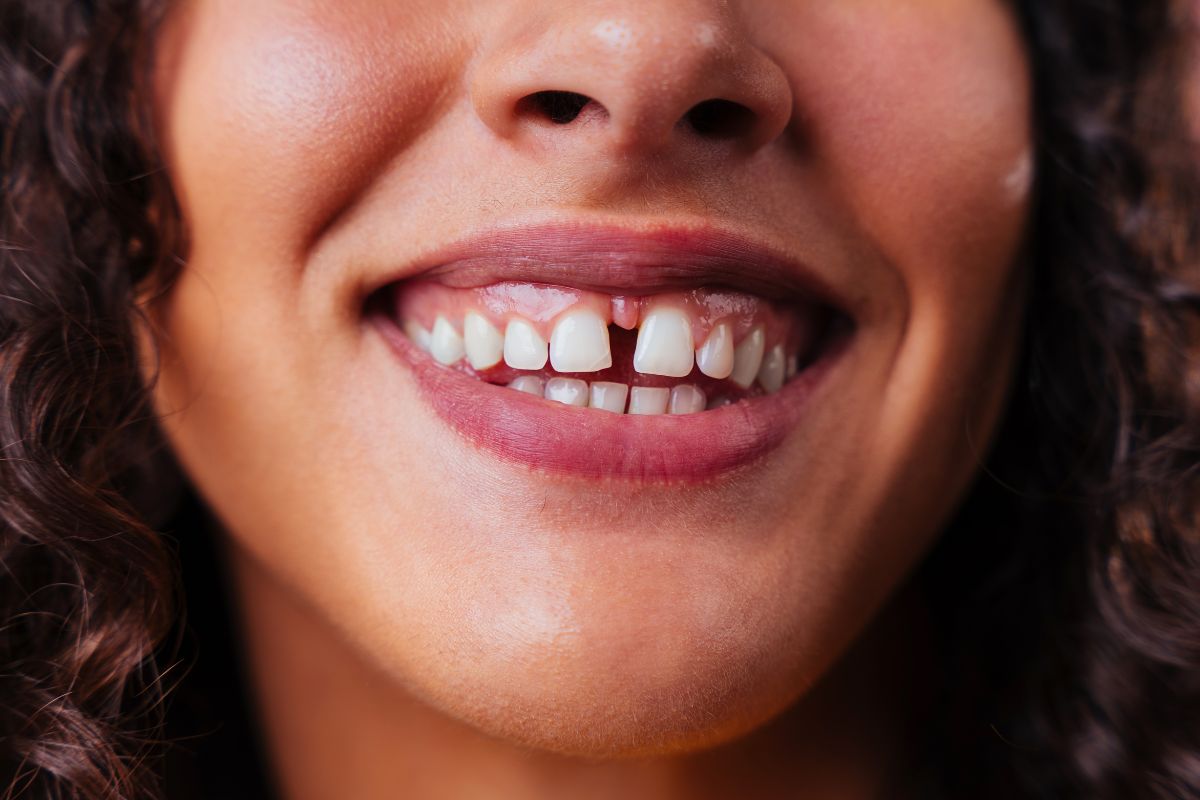
Genetics: This is one of the most common reasons. If one or both of your parents had smaller teeth, you have a good chance of inheriting the same trait. A condition called microdontia, where one or more teeth are noticeably smaller than average, is often hereditary.
Enamel wear and grinding: Over time, habits like grinding your teeth at night (also known as bruxism) or regularly consuming acidic foods and drinks can slowly wear down enamel. As the enamel thins out, teeth begin to look shorter and less defined.
Gum tissue overgrowth: Sometimes the teeth themselves are a perfectly normal size, but excess gum tissue covers more of the tooth surface than it should. This creates what people commonly call a “gummy smile,” where your teeth appear shorter because more of them are hidden beneath the gum line.
Developmental factors: Certain nutritional deficiencies or medical conditions during childhood can affect how teeth form and develop, sometimes resulting in teeth that are smaller or differently shaped.
Knowing the cause matters because it directly influences which treatment will give you the best and most lasting result.
Does the Size of Your Teeth Actually Affect Anything Besides Appearance?
It is easy to think of small teeth as a purely cosmetic concern, but there is more to it than that. Small or worn-down teeth can create extra spacing that makes it easier for food and plaque to collect between them, increasing the risk of cavities and gum disease over time. Recent Bite alignment can also affect uneven wear or jaw discomfort. In some cases, researchers have linked small teeth to temporomandibular joint (TMJ) issues and tooth sensitivity. So while looking and feeling confident in your smile is a perfectly good reason to explore treatment, taking care of small teeth can also support your long-term oral health.
The Most Effective Ways to Fix Small Teeth
Here is a look at the most commonly recommended treatments and how each one works.
1. Dental Bonding
Dental bonding is often the first option dentists bring up, and for good reason. It is one of the most affordable and least invasive ways to add size and shape to small teeth.
The process involves applying a tooth-colored composite resin directly to the surface of the tooth. Your dentist shapes and sculpts the material to build the tooth up to the right size, then hardens it with a special light. The whole thing can usually be completed in a single visit, and no anesthesia is needed in most cases.
Bonding works especially well for minor corrections, adding a bit of length here, closing a small gap there, or evening out a tooth that looks noticeably different from the ones next to it. Results typically last between five and seven years, depending on how well you care for your teeth. The whole thing usually requires a single visit to complete, and most cases do not need anesthesia.
If you are looking for an accessible, quick fix that delivers a noticeable improvement without a big investment, bonding is a great place to start.
Not sure which option is right for your smile? Contact us today, and we will be happy to walk you through your choices.
2. Porcelain Veneers
Porcelain veneers are one of the most popular choices for people who want a more dramatic and long-lasting transformation. A veneer is a thin, custom-made shell of porcelain that dental professionals bond to the front surface of your tooth. They can tailor it to match the exact color, size, and shape you want, making it a very precise solution.
What makes veneers stand out is their ability to address multiple concerns at the same time. They can make teeth appear larger, cover discoloration, hide chips or cracks, and even reduce the appearance of small gaps, all in one treatment. For the teeth that are most visible when you smile, veneers can deliver a genuinely dramatic change in as few as two appointments.
Because the procedure does require removing a small amount of enamel to ensure a proper fit, we consider veneers a permanent commitment. That said, with the right care, they can last well over a decade, making them a solid long-term investment in your smile.
3. Dental Crowns
A dental crown covers the entire visible surface of a tooth, all the way down to the gum line. This makes it a particularly good solution when a tooth is not only small but also weakened, structurally damaged, or has had significant previous dental work done on it.
Crowns are custom-made to match the natural look of your other teeth and can restore both size and strength at the same time. If bonding or veneers do not fit well because of the overall condition of the tooth, many dentists find a crown to be the most practical choice. With the right care, crowns can last fifteen years or longer.
4. Gum Contouring
If your teeth are actually normal in size but a “gummy smile” is making them look small, the fix may not involve the teeth at all. Gum contouring, also called gum reshaping, is a minimally invasive procedure that removes excess gum tissue and reshapes the gum line to reveal more of your natural tooth surface.
Modern dental lasers have made this procedure faster and more comfortable than it used to be. The laser removes the excess tissue while also sterilizing the area, which reduces the risk of infection and speeds up healing. Many patients find it surprising just how much of a difference this single procedure can make in the overall balance and proportion of their smile.
5. Orthodontic Treatment
Sometimes, the way teeth are positioned or spaced in the mouth makes them look smaller than they are. Crowding, gaps, or misalignment can all affect the way your smile looks and feels. In cases like these, braces or clear aligners like Invisalign can help by moving the teeth into a better position. This improves overall symmetry and can make each tooth appear more proportionate relative to the ones around it.
Orthodontists often combine orthodontic treatment with bonding or veneers to get the most complete result possible.
6. Dental Implants
In situations where a tooth is congenitally missing or too small and structurally compromised to be restored through other means, a dental implant may be the best long-term solution. An implant involves placing a small titanium post in the jawbone that acts as a stable root for a custom crown placed on top. The result looks, feels, and functions like a natural tooth, and builders create implants to last for many years when properly cared for.
How Do You Know Which Treatment Is Right for You?
This is one of the most common questions patients ask, and the honest answer is that it depends on a combination of factors, including the cause of the issue, the condition of the teeth involved, your aesthetic goals, your timeline, and your budget.
Bonding tends to be a great fit for people who want a quick, affordable improvement for minor concerns. Veneers are better suited for those looking for a more comprehensive, longer-lasting change to several teeth at once. Crowns make the most sense when structural support is also a priority. Gum contouring is the right call when the problem is excess tissue, not the teeth themselves. Orthodontics or implants address situations that go a step further than cosmetic reshaping alone.
The best way to figure out your ideal path is to sit down with a dentist who can examine your teeth, understand what you are hoping to achieve, and put together a personalized plan. There is no single formula that works for everyone.
A Few Things to Keep in Mind
Before committing to any treatment, it helps to think through a few practical questions.
How long do you want the results to last? Bonding provides a faster and more affordable result, but it will need to be touched up or redone over time. Veneers and crowns offer greater durability.
Are you dealing with active teeth grinding? If bruxism is part of the picture, it will need to be addressed alongside any cosmetic work; otherwise, the same issue that caused the problem in the first place will continue to affect your results. A custom night guard can help protect your investment.
What does your overall oral health look like? Any underlying issues, like gum disease or decay, need to be treated before cosmetic work begins. A healthy foundation always comes first.
Giving Your Smile the Attention It Deserves — With Serenity Dental in Houston, TX
Small teeth do not have to hold you back from smiling with confidence. Whether the cause is genetic, related to gum tissue, or simply years of wear and tear, there is a solution that fits your situation and your goals. The right place to start is a conversation with a dentist who takes the time to really listen.
At our dental practice, our team is committed to helping patients throughout Houston and the surrounding areas find practical, personalized solutions that improve both the appearance and the health of their smiles. If you have been looking for a trusted cosmetic dentist who can guide you through your options for fixing small teeth from dental bonding to porcelain veneers to gum contouring, we are here for you every step of the way.
Request an appointment today and let us help you build the smile you have always wanted.
Patient Questions We Get Asked About Small Teeth
Can small teeth cause problems with chewing or speaking?
Yes, they can. Shorter or unevenly sized teeth can disrupt how your upper and lower teeth meet, affecting chewing efficiency and sometimes speech. The uneven biting pressure can also contribute to jaw discomfort over time. A dental evaluation can confirm whether function is being affected alongside appearance.
Is dental bonding painful, and will I need time off to recover?
Not at all. Bonding is one of the most comfortable cosmetic procedures; no anesthesia is needed in most cases, and there is no downtime. Most patients head straight back to their normal routine the same day. You may want to avoid staining foods or drinks for the first day or two, but that is typically all the aftercare involved.
Can I get veneers if I grind my teeth at night?
Grinding does not rule out veneers, but it does need to be managed. Uncontrolled bruxism can chip or crack veneers over time. Your dentist will likely recommend a custom night guard to protect your results and help your veneers last as long as possible.
How many teeth can be treated at one time?
It depends on the procedure. Bonding can cover multiple teeth in a single visit. Veneers are typically planned across one or two appointments, and anywhere from two to eight or more teeth can be treated at once, depending on your goals. Your dentist will outline a realistic timeline during your consultation.
Will my treated teeth look obviously different from my natural ones?
No, when done well, the results should look completely natural. Modern materials like composite resin and porcelain are matched to the color, shape, and translucency of your surrounding teeth so everything blends seamlessly.