Katy: 281.971.2124
Can Cosmetic Dentistry Fix Gaps Between Teeth?

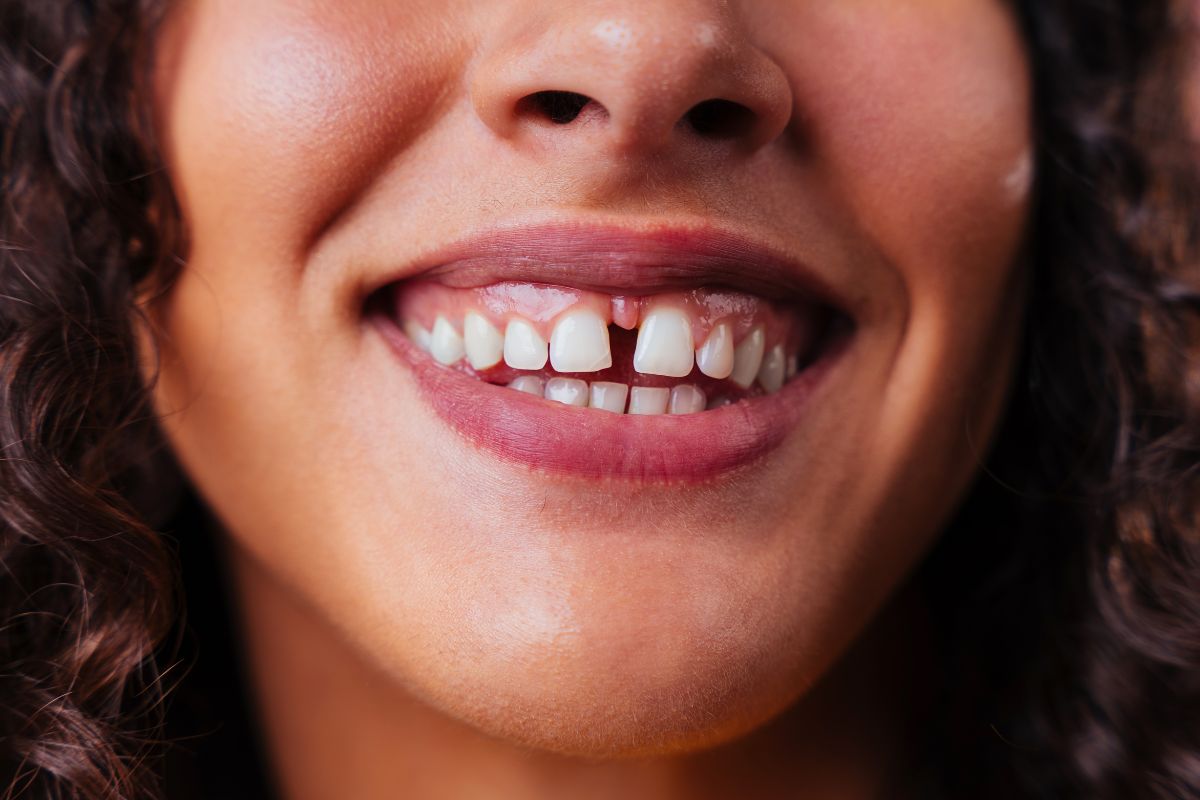
That small space between your front teeth might not bother you every single day, but there are moments when it does. Maybe it shows up in a photo. Maybe you catch yourself covering your mouth when you laugh. Or maybe you’ve simply been wondering for a while whether anything can actually be done about it.
At Serenity Dental, we help patients explore solutions that improve both the appearance and function of their smiles. If you’re considering professional cosmetic dentistry treatment in Katy, closing gaps between teeth is one of the most common concerns we address. Whether your gap is barely noticeable or more prominent, there are several effective treatment options that can help you achieve a more confident smile.
Some people assume fixing a gap means years of orthodontic treatment, while others believe it’s not important enough to mention during a dental visit. In many cases, neither is true. Understanding the cause of the gap is the first step toward finding the treatment option that’s right for you.
What Causes Gaps Between Teeth?
Gaps between teeth, called diastemas, are more common than most people think. They can show up between any two teeth, though the gap between the two upper front teeth tends to be the one people notice most.
Here are a few reasons they develop:
Natural tooth size and jaw size differences: If your teeth are slightly smaller relative to your jawbone, spaces tend to appear between them. This is often simply how your teeth came in.
Missing teeth: When a tooth is lost and not replaced, neighboring teeth can gradually drift, leaving gaps where they weren’t before.
Gum tissue overgrowth: Sometimes a band of tissue called the labial frenum, the small tissue connecting your upper lip to your gums, grows a little too large and pushes between the two front teeth, creating a gap.
Habits during childhood: Thumb sucking and prolonged pacifier use can push teeth forward and apart over time.
Gum disease: As gum disease progresses and bone support weakens, teeth can loosen and shift, leaving spaces between them.
Understanding what caused your gap in the first place matters because it shapes which treatment will actually work for your situation.
What Are Your Options for Closing the Gap?
This is where it gets interesting, because there isn’t just one answer. There are several approaches depending on the size of the gap, the health of your teeth, and what result you’re looking for.
Dental Bonding
Dental bonding is one of the simplest and most affordable ways to close a small gap. Your dentist applies a tooth-colored resin material directly onto the teeth on either side of the space, shapes it to fill the gap, and hardens it with a curing light.
The whole thing can often be done in a single visit. It doesn’t require any removal of natural tooth structure, and when done well, it blends in naturally. It’s a great option if the gap is small and your overall bite is healthy.
That said, bonding isn’t permanent. The material can chip or stain over time, and most people find they need a touch-up or replacement after several years.
Porcelain Veneers
Veneers are thin shells of porcelain that are bonded to the front surface of your teeth. They’re custom-made to fit your smile and can close gaps while also improving the color, shape, and overall appearance of your teeth at the same time.
If you’re looking to address more than just the gap, maybe you also want whiter, more uniform-looking teeth; veneers can accomplish several things at once.
The trade-off is that a small amount of tooth enamel is removed to place them, so veneers are considered a permanent commitment. They’re also a bigger investment than bonding.
Orthodontic Treatment
For larger gaps or when several teeth are involved, orthodontic treatment is often the most appropriate route. Traditional braces or clear aligners like Invisalign physically move the teeth into better positions over time.
This approach takes longer months to over a year, depending on the complexity, but it addresses the underlying spacing issue rather than simply covering it. For people whose gaps are caused by bite issues or multiple misaligned teeth, orthodontics tends to produce the most stable long-term results.
Dental Implants or Bridges
If your gap exists because of a missing tooth, the solution is entirely different. A dental implant replaces the missing tooth root and crown, restoring both the look and function of the space. A bridge is another option that uses the neighboring teeth as anchors to support a replacement tooth in between.
These aren’t cosmetic-only procedures; they also protect the surrounding teeth from shifting and preserve the bone underneath.
How Do You Know Which Option Is Right for You?
That’s really a question best answered during a consultation, because the right choice depends on factors specific to your mouth.
A few things your dentist will consider:
- How wide is the gap? Small gaps respond well to bonding or veneers. Larger gaps often need orthodontics.
- What’s the state of your gum health and bone? Gum disease needs to be addressed before any cosmetic work.
- Is the gap caused by a missing tooth? Then, replacement is the priority.
- What does your bite look like? Some cosmetic fixes work better when the bite is already well-aligned.
- What’s your goal? Are you mainly concerned with one specific gap, or would you like a broader improvement?
No two situations are the same, and a good cosmetic dentist will take time to walk through these questions with you before recommending anything.
What Results Can You Realistically Expect?
Most people are genuinely surprised by how much of a difference closing a gap can make. It’s not just about the gap itself; it changes how the whole smile looks and how balanced your teeth appear.
With bonding, results are immediate. You leave the appointment with the gap closed.
With veneers, there’s typically a two-visit process: one to prepare the teeth and take impressions, and a second to place the finished veneers.
With orthodontics, the change happens gradually, but many patients say watching their teeth move into place is satisfying in its own way.
The main thing to understand is that results are long-lasting when you follow through with care at home and keep up with your regular dental visits. Bonding and veneers can last many years with the right maintenance.
As one satisfied patient shared-
I had an exceptional experience at Serenity Dental of Katy. From the moment I walked in, I was impressed by the clinic’s clean, modern environment. The state of the equipment and sleek, contemporary design immediately put me at ease.
The team is fantastic. The doctors are incredibly knowledgeable, attentive, and genuinely caring. They took the time to explain each step of the process and address all of my concerns with patience and clarity. The entire staff is friendly and professional, creating a welcoming atmosphere that makes every visit a positive experience.
I highly recommend Serenity Dental of Katy to anyone looking for top-notch dental care in a cutting-edge, comfortable setting. –Vilma Karina Martinez Fun
Does Fixing a Gap Actually Matter for Your Oral Health?
Sometimes, yes. It depends on what’s causing the gap.
If your gap is simply cosmetic, your teeth are healthy, your bite is fine, and the space is just a natural variation, then fixing it is entirely your choice. It won’t hurt you to leave it, and it won’t hurt you to address it.
But in some cases, gaps are worth paying attention to for health reasons too. Food tends to collect in spaces between teeth, which can increase the risk of cavities and gum irritation in those areas. A missing tooth that’s left unreplaced over time can lead to bone loss in the jaw and cause neighboring teeth to drift. And if gum disease is causing the gap, that needs treatment regardless of whether you want cosmetic changes.
So while not every gap is a medical concern, it’s worth getting a professional opinion to understand what you’re dealing with.
A Few Things to Know Before You Book Your Appointment
If you’re seriously considering treatment, here are a few practical things that are helpful to know going in:
Gum health comes first: If there’s any sign of gum disease, that will need to be resolved before cosmetic work begins. A healthy foundation is what makes cosmetic results last.
Photos help: If you have an idea of a smile result you’re drawn to, bringing reference photos to your consultation helps your dentist understand what you’re looking for.
Ask about maintenance: Different treatments have different care requirements. Ask your dentist what’s involved in maintaining the results over time.
Don’t rush the decision: There’s no urgency to choose the first option discussed. A good dentist will explain your choices and give you time to think them through.
Questions? Contact us; our team is happy to walk you through your options before you book.
Closing the Gap And Feeling Good About Your Smile Again
A gap between your teeth is one of those things that may seem small but can quietly affect how you feel about your smile over time. The encouraging part is that it’s also one of the more straightforward things a cosmetic dentist can help with.
Whether you’re interested in a simple bonding fix or want to explore a broader smile transformation, the right approach exists for your situation; it’s just a matter of finding it.
Bringing Back Your Confidence, One Smile at a Time.
Living with a gap you’ve always wanted to fix doesn’t have to be the long-term plan. At our Katy dental office, our team understands that every smile is different and so is every patient’s story. Whether it’s a minor space or a more noticeable gap, we take the time to listen to your concerns, evaluate your dental health, and walk you through honest, straightforward options.
If you’ve been looking for a trusted cosmetic dentist who can help you close that gap and feel good about your smile again, we’re here for you. Our dental office is welcoming new patients, and we’d love to be the team you turn to. Request an appointment today and take the first step toward the smile you’ve been thinking about.