Katy: 281.971.2124
Are White Spots on Your Teeth Early Decay? Signs of Enamel Demineralization and How to Fix It

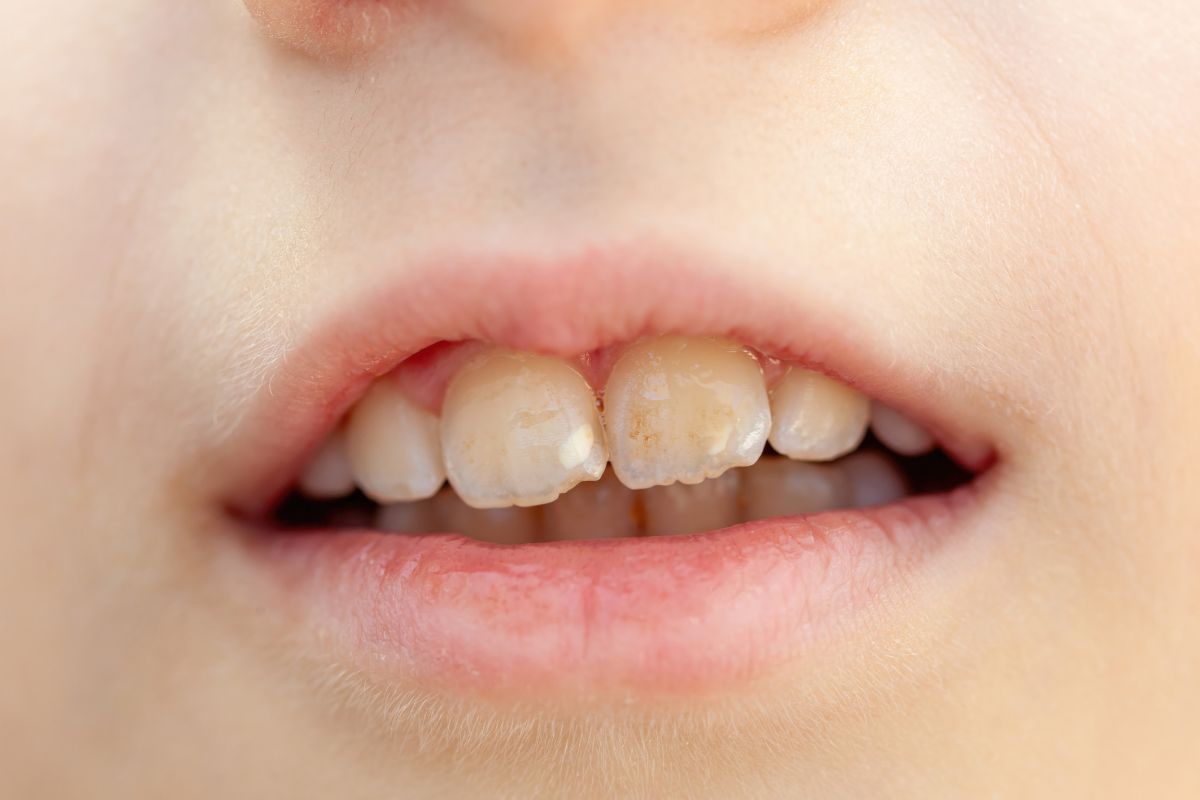
White spots on teeth frequently signal early enamel loss caused by a process called demineralization. When essential minerals like calcium and phosphate are stripped from the tooth structure by bacterial acids or developmental disruptions, the affected enamel loses its transparency and turns an opaque white. Recognizing these chalky lesions early allows you to restore mineral content before structural cavities form.
At Serenity Dental, Dr. Jeffrey Chung provides teeth whitening treatment while also utilizing advanced preventive therapies to help local families preserve their natural enamel and restore seamless, radiant smiles. If you notice chalky spots forming on your enamel, a comprehensive diagnostic evaluation can help determine the underlying cause and the most appropriate treatment.
What Do White Spots on Teeth Actually Mean?
A white spot on a tooth, clinically referred to as a “white spot lesion”, is a distinct area where the enamel’s microstructure has lost density. Enamel is composed primarily of tightly packed hydroxyapatite crystals. When minerals leach out, microscopic pores form beneath the surface, altering how light reflects off the tooth and creating an opaque, milky appearance.
According to data from the National Center for Health Statistics (NCHS), untreated dental caries remains a prevalent issue across the U.S., with over 20% of adults experiencing active tooth decay. Catching enamel loss at the white spot stage is critical because it represents the only phase where tooth decay can be reversed without drilling or filling.
Primary Causes of White Spots on Teeth
Understanding the precise root cause of white spots is essential for selecting the correct treatment pathway.
De-mineralization and Early Caries
The most frequent cause of white spot lesions is localized acid erosion. Oral bacteria feed on dietary carbohydrates, producing acidic byproducts that lower the pH in your mouth. When the pH drops below 5.5, calcium and phosphate ions dissolve out of the enamel lattice. Left unchecked, these chalky de-mineralized zones deteriorate into full-thickness cavities.
Post-Orthodontic De-mineralization
Patients who have recently completed orthodontic treatment with traditional brackets often notice white outlines around where the hardware was bonded. Fixed appliances create physical traps for food debris and plaque biofilms. If hygiene around the brackets is compromised, localized de-mineralization leaves permanent chalky bands behind after the braces are removed.
Dental Fluorosis
Dental fluorosis occurs strictly during childhood while adult teeth are actively forming under the gumline (typically under age eight). Ingesting high levels of fluoride during amelogenesis (enamel creation) alters enamel crystallization, producing hypomineralized zones that appear as flecks, streaks, or patches once the teeth erupt.
Enamel Hypoplasia
Enamel hypoplasia is a developmental defect resulting in thinner, weaker enamel. Caused by high childhood fevers, nutritional deficiencies, or maternal illness during tooth development, affected areas lack proper mineral density and present as bright white or brownish spots that are structurally fragile.
How Local Magnolia Factors Influence Your Enamel Health
Living in Magnolia offers a rich lifestyle, from exploring the scenic Unity Park trails to enjoying comfort food at local spots along FM 1488. However, daily regional habits and environmental factors can directly impact your tooth enamel.
Well Water and Mineral Balance
Many properties across Montgomery County rely on private water wells rather than municipal supplies. Unfiltered or unmonitored well water can vary significantly in fluoride concentrations. Ingestion of excessive natural fluoride by young children can increase the risk of fluorosis, while a total lack of trace minerals deprives developing teeth of necessary strength.
Acidic Local Delicacies
Texas pit barbecue with tangy, tomato-based sauces and ice-cold sweet tea are local staples. However, the combination of high sugar content and low pH in acidic sauces and sweet beverages strips minerals from outer enamel layers, triggering de-mineralization if teeth aren’t promptly cleansed.
Comparing White Spot Lesion Causes
To help you distinguish between developmental and acid-induced lesions, consider this breakdown:
| Characteristic | Early De-mineralization | Dental Fluorosis | Enamel Hypoplasia |
| Primary Cause | Bacterial acid & plaque biofilm | Excess fluoride during tooth formation | High fevers, illness, or malnutrition in childhood |
| Onset Age | Any age | Infancy to age 8 (during formation) | Erupts with the tooth |
| Texture | Rough, porous, chalky | Smooth to pitted | Pitted, thin, or easily worn |
| Location | Gumline, around brackets | Symmetrical on multiple teeth | Isolated teeth or specific cusps |
| Reversibility | Reversible with professional fluoride/remineralization | Permanent structure; requires cosmetic mask | Permanent; requires structural restoration |
Professional Clinical Treatments for White Spots
Over-the-counter whitening toothpastes often worsen white spot lesions by bleaching the surrounding healthy enamel and making the chalky spots appear brighter. Effective treatment requires professional dental care in Magnolia to rebuild or mask the affected structure.
Biomimetic Re-mineralization
For early de-mineralization, applying high-concentration topical fluoride varnishes, prescription-strength calcium sodium phosphosilicate pastes, or Casein Phosphopeptide-Amorphous Calcium Phosphate (CPP-ACP) reintroduces lost ions directly into the enamel matrix, halting early decay.
Resin Infiltration (Icon® Therapy)
Icon® resin infiltration is a micro-invasive procedure ideal for post-orthodontic spots and fluorosis. A specialized gel opens the pores of the white lesion, and a fluid, light-cured tooth-colored resin is capillary-drawn into the lesion’s center. This matches the refractive index of healthy enamel, instantly fading the spot without drilling.
Microabrasion and Enamel Bonding
For deeper developmental defects like enamel hypoplasia, a clinical microabrasion technique removes a microscopic layer of compromised outer enamel using fine abrasive particles and acid. If the spot extends deep into the tooth structure, composite resin bonding or ultra-thin porcelain veneers are placed to protect the tooth.
Accessing specialized professional dental care in Magnolia ensures your diagnosis is accurate, protecting you from aggressive treatments when non-invasive re-mineralization is possible.
How to Prevent Enamel Loss at Home
- Maintain a Neutral Oral pH: Sip plain water throughout the day, especially after enjoying acidic local treats or iced sweet teas.
- Optimize Your Hygiene Routine: Brush twice daily with a soft-bristled brush and fluoridated toothpaste. Use interdental brushes or flossing threaders if you wear fixed orthodontic appliances.
- Test Private Well Water: If you rely on well water in Montgomery County, test fluoride levels annually to ensure proper exposure for growing children.
- Schedule Regular Exams: Routine cleanings remove calcified plaque (tartar) that holds bacterial acid against your enamel.
If you suspect your teeth are showing early signs of mineral loss, securing expert professional dental care in Magnolia is the best way to safeguard your smile.
Take the Next Step Toward Healthy Enamel
White spots on your teeth shouldn’t be ignored, but they don’t have to ruin your smile either. Whether your spots stem from orthodontic wear, dietary acids, or childhood development, personalized care can restore the strength and clarity of your tooth structure.
At our dental practice, we’re committed to helping you protect your enamel and maintain a healthy, confident smile with personalized care tailored to your needs. Visit our dental practice for a comprehensive diagnostic evaluation to identify the cause of your white spots and explore the treatment options that are right for you. Request an appointment today to take the next step toward stronger, healthier enamel.