Katy: 281.971.2124
How Can Dental Implants Transform Your Smile?

Losing a tooth, whether from an accident, decay, or gum disease, can feel like a lot more than just a dental problem. It changes how you chew, how you speak, and yes, how you smile in photos. If you have been holding back a full, confident smile or quietly avoiding certain foods, you are not alone. Millions of people deal with this every day.
The good news? There is a solution that goes beyond just filling the gap. Dental implants are widely considered the gold standard for permanent tooth replacement and for very good reason. They look, feel, and function like your natural teeth. Once they are in place, most people forget they ever had a missing tooth at all.
In this guide, we will walk you through everything you need to know about dental implants, what they are, how they work, who they are right for, and what the whole process looks like from start to finish.
What Exactly Are Dental Implants?
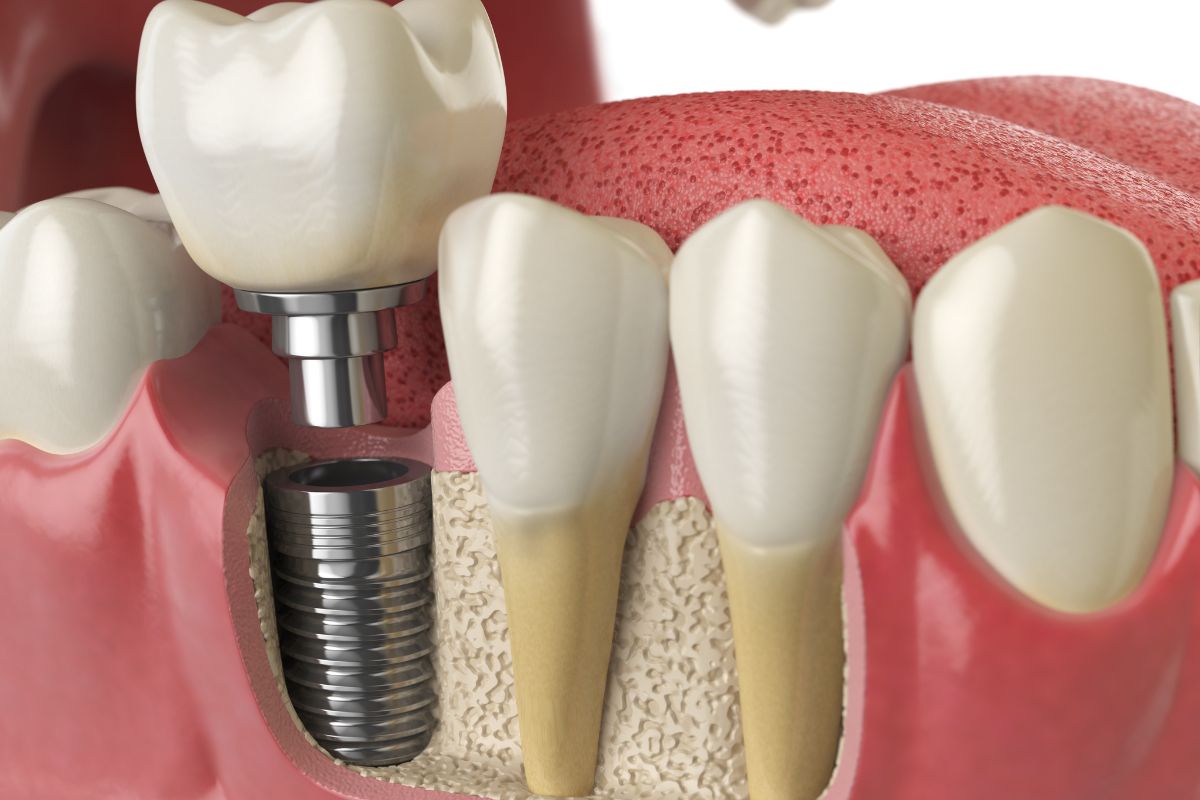
A dental implant is a small titanium post that is placed into your jawbone to act as the root of a missing tooth. Over a few months, this post fuses with the bone through a process called osseointegration. Once that bond is secure, a custom-made crown is placed on top, and it looks and feels just like your natural tooth.
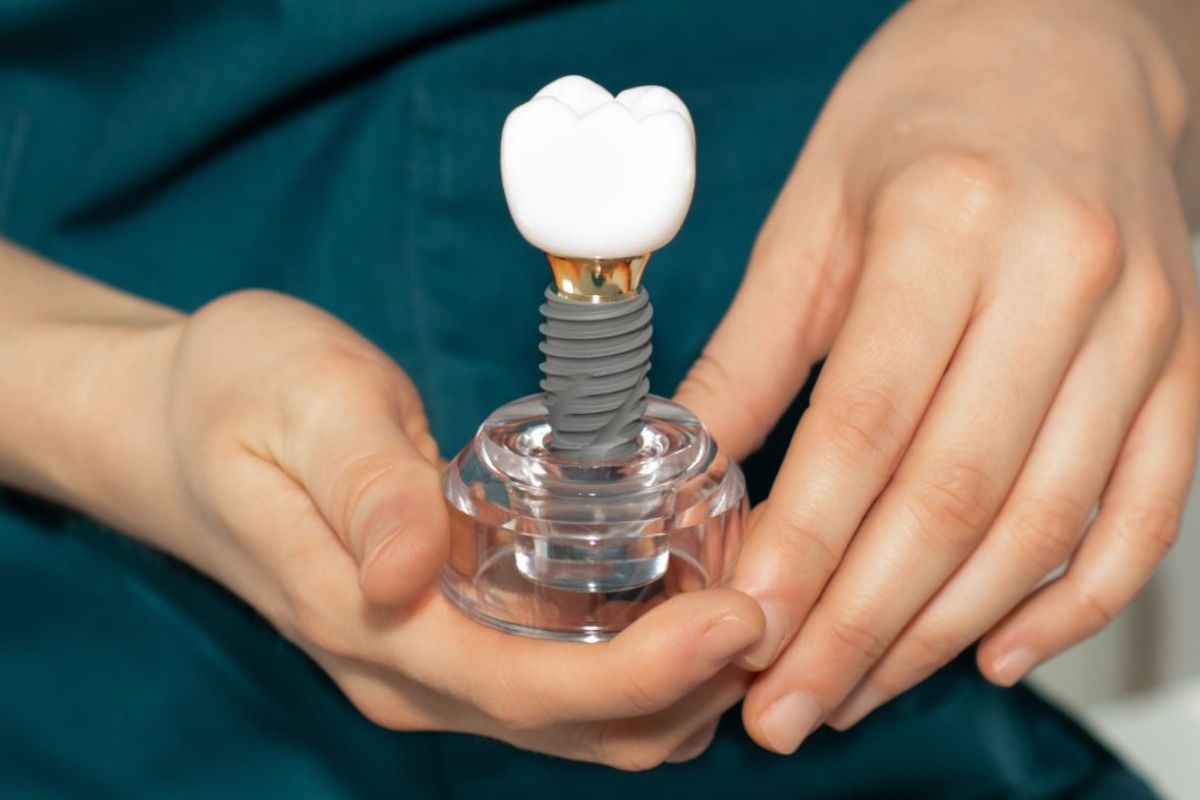
Think of it as a three-part system: the titanium post (the root), the abutment (a small connector), and the crown (the visible part of the tooth). Together, these three components create a replacement that is stable, durable, and natural-looking.
Unlike dentures that sit on top of the gum, or bridges that rely on neighboring teeth for support, implants are anchored directly into the bone. That is what makes them such a reliable, long-term option.
How Dental Implants Can Transform Your Smile
The transformation that comes with dental implants is not just about looks, though that part is pretty significant. Here is what changes for most people:
1. You Get Your Confidence Back
When you have a gap in your smile, it is hard not to think about it in social situations. Many people cover their mouths when they laugh or avoid smiling in photos altogether. Dental implants fill that gap with something that looks completely natural, and that shift in confidence is something patients talk about over and over again.
2. You Can Eat What You Actually Want
Missing teeth or poorly fitting dentures force people to quietly avoid foods they love. Steak, apples, corn on the cob. With implants, the bite force is close to that of a natural tooth. You are not restricted to soft foods or worried about something shifting at dinner.
3. Your Jawbone Stays Healthy
Here is something many people do not realize: when a tooth is lost, the jawbone in that area begins to shrink over time because it no longer receives the stimulation it needs. This bone loss can eventually change the shape of your face, leading to a sunken appearance. Because implants are anchored in the bone, they stimulate it the same way natural tooth roots do, keeping the bone intact and your facial structure supported.
4. Your Surrounding Teeth Stay in Place
Teeth naturally drift toward gaps. When a tooth is missing and not replaced, the neighboring teeth gradually shift out of position, which can lead to misalignment and bite problems down the line. An implant fills that space and keeps everything where it belongs.
5. They Last a Very Long Time
With proper care, dental implants can last 20 to 30 years and, in many cases, a lifetime. That is not something you can say about most dental restorations. When you factor in the durability and the fact that you will not need repeated replacements, implants are often the most cost-effective choice over the long run.
Am I a Good Candidate for Dental Implants?
Most healthy adults who are missing one or more teeth are good candidates for implants. That said, a few factors play into whether implants are the right fit for you:
- Adequate jawbone density the implant needs enough bone to anchor securely. If bone loss has occurred, a bone graft may be recommended first.
- Healthy gums with active gum disease need to be treated before implant placement.
- No uncontrolled chronic conditions, like uncontrolled diabetes, can slow the healing process.
- Non-smoker or willingness to quit during healing smoking significantly affects how well the implant integrates with the bone.
- Fully developed jawbone implants are typically not placed in teenagers whose jaws are still growing.
The best way to know for sure is to come in for a consultation. A thorough exam, including dental X-rays or a 3D scan, gives your dentist a clear picture of your bone structure and what approach makes the most sense for you.
What Does the Dental Implant Process Actually Look Like?
One thing patients always want to know upfront is how long this takes. The honest answer is that it varies, but here is a general sense of how the process unfolds:
Step 1: Initial Consultation and Planning
Your dentist will review your dental and medical history, take X-rays or a cone beam CT scan, and evaluate the health of your gums and jawbone. If any preparatory work is needed, such as a tooth extraction, bone graft, or gum treatment, it happens at this stage.
Step 2: Implant Placement
The titanium post is placed into the jawbone during a minor surgical procedure performed under local anesthesia. Most patients report the procedure is far more comfortable than they expected. There is a healing period after this, typically three to six months, during which the implant fuses with the bone.
Step 3: Abutment Placement
Once the implant has fully integrated, a small connector piece called an abutment is attached to the top of the post. This is what the final crown will sit on.
Step 4: Crown Placement
A custom crown is created to match the color, shape, and size of your surrounding teeth. It is then secured onto the abutment, and at this point, the process is complete. You now have a tooth that looks, feels, and functions like the real thing.
Dental Implants vs. Bridges and Dentures: What Is the Difference?
It is worth understanding how implants compare to the other common options for replacing missing teeth.
Dental Bridges
A bridge fills the gap by crowning the two teeth on either side and suspending an artificial tooth between them. It is a faster, less expensive option than an implant, but it requires permanently altering healthy adjacent teeth and does not prevent bone loss beneath the gap.
Dentures
Full or partial dentures are removable and replace multiple teeth at once. They are a more affordable short-term option, but many patients find them less stable and comfortable over time. Bone loss continues beneath dentures because there is no root stimulating the jaw.
Implants – The Long-Term Solution
Implants are the closest thing to a natural tooth that dentistry can offer. They do not rely on neighboring teeth, they preserve bone, and they do not come out. For patients who are good candidates, they are generally the strongest and most lasting investment in their smile.
How Do You Care for Dental Implants?
This is one of the best parts: caring for implants is essentially the same as caring for your natural teeth.
- Brush twice a day with a soft-bristle toothbrush.
- Floss daily, including around the implant crown.
- Visit your dentist regularly for cleanings and checkups.
- Avoid biting into very hard objects like ice or hard candy that could damage the crown.
- If you grind your teeth at night, ask about a nightguard to protect your implant.
With good habits, dental implants can genuinely last a lifetime. The implant post itself rarely needs replacing — and even if the crown needs to be refreshed after 15 to 20 years, that is a relatively straightforward process.
Common Concerns People Have About Implants
“Will it hurt?”
The procedure is done under local anesthesia, so you should not feel pain during the placement. There is typically some soreness and swelling in the days that follow, which are easily managed with over-the-counter pain relievers and usually resolve within a week.
“Is it really worth the cost?”
Implants have a higher upfront cost than bridges or dentures, that is true. But when you consider that they can last 20 to 30 years compared to 10 to 15 years for a bridge, the lifetime value is often comparable or even better. Many dental offices also offer flexible payment plans to make the process more manageable.
“What if my bone is not dense enough?”
Bone grafting is a common preparatory procedure that rebuilds lost bone before implant placement. It adds time to the overall process, but it opens the door for implants even for patients who might initially think they are not candidates.
Giving Patients Lasting Reasons to Feel Confident
Losing a tooth does not have to mean losing your smile, and it certainly should not mean giving up on a life where you eat, laugh, and speak without a second thought. Dental implants offer something that no other tooth replacement option fully delivers: a solution that works with your body, not just on top of it.
Whether you are missing one tooth or several, whether you are exploring options for the first time or have been thinking about this for years, the right next step is a conversation with a dental team that takes the time to understand your situation.
At Serenity Dental, we work with patients across Houston, TX, to help them understand their options and move forward with confidence. Our team provides dental implants, placed with precision and care, with a genuine focus on making the experience as smooth as possible from your very first consultation to your final crown fitting. For patients seeking care closer to home, we are also conveniently located in Katy, Spring, and Magnolia, making it easier to access the quality dental care you deserve.
Ready to take the first step toward a complete, healthy smile? Request an appointment with our team today; we would love to help you get there.
Frequently Asked Questions
Can I get an implant right after a tooth is extracted?
In some cases, yes this is called immediate implant placement, and it can be done right after extraction if there is enough healthy bone and no active infection is present. However, it is not the right choice for every patient. Your dentist will evaluate the site carefully and let you know whether same-day placement is appropriate or whether waiting a few months will give you a better long-term result.
Do dental implants look different from natural teeth?
No, the crown that sits on top of the implant is custom-made to match the color, size, and shape of your surrounding teeth. Most people around you will have no idea it is not your natural tooth. The goal is always a seamless result that blends in completely with your smile.
Is there an age limit for getting dental implants?
There is a minimum age consideration; implants are generally not placed in patients whose jaws are still growing, which typically means waiting until the late teens or early adulthood. On the upper end, there is no age limit. Many patients in their 60s, 70s, and even 80s successfully receive dental implants, provided their overall health and bone density support the procedure.
Will my dental insurance cover the cost of implants?
Coverage varies widely depending on your plan. Some plans cover portions of the procedure, such as the crown or preparatory work like extractions, while others exclude implants altogether. It is worth checking directly with your insurance provider, and your dental office can often help you navigate what is and is not covered. Financing options are also commonly available to help spread out the cost.
What happens if I grind my teeth? Can I still get implants?
Teeth grinding does not automatically rule out dental implants, but it is something your dentist needs to know about before moving forward. Excessive grinding can put stress on the implant and crown over time. In many cases, a custom nightguard is recommended to protect the implant and help it hold up well for years to come. Managing the grinding is simply part of setting the implant up for long-term success.