
21927 Clay Rd, Ste 550 Katy, TX 77449

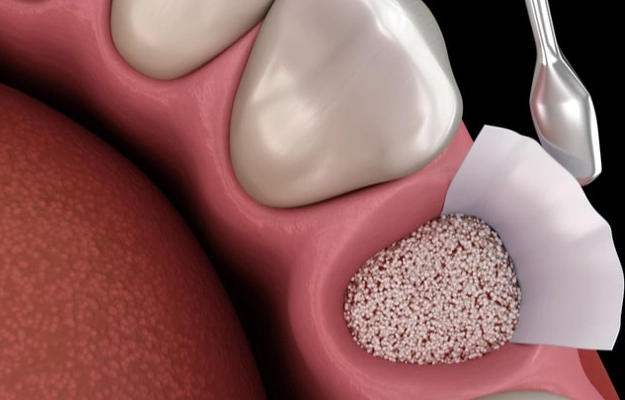
Enhancing Your Smile With Bone Grafting
Bone grafting is a crucial component of dental restoration procedures, such as implant placement and bridge work. For implants to succeed, the height, depth, and width of the jawbone at the implant site must be sufficient. If the jawbone has receded or suffered damage, it can't effectively support the implant. In such cases, bone grafting becomes necessary to provide a stable foundation for the restoration. At Serenity Dental, we specialize in bone grafting to help restore your oral health. Call 281.971.2124 to schedule a consultation today.
“Friendly staff and great service from the dentist. Everyone [makes] sure that you [are] doing well and in no pain. Get to pick what movie that you’d enjoy watching & listening to while they do their procedures on you and still [they make] you feel good through your whole visit!”
Factors That Affect Jawbone Volume
- Gum Disease: Periodontal disease can cause damage to the supporting jawbone, and if left untreated, it can worsen over time, leading to tooth instability.
- Tooth Extraction: Studies show that patients who undergo tooth extraction may lose 40-60% of the bone around the extraction site within three years. This bone loss creates a "bone defect" that can compromise implant placement.
- Injuries and Infections: Physical injuries, such as a blow to the jaw, or infections can cause jawbone recession, making bone grafting necessary to restore bone volume.
Why Bone Grafting is Important?
Bone grafting is an effective procedure that provides an alternative solution to missing, diseased, or malformed teeth. It enhances the height and width of the jawbone while filling in voids or defects.
Bone grafting can improve dental health in two key ways:
- Jaw Stabilization: Bone grafting helps restore and stabilize the jaw, providing a solid foundation for implants or other restorative procedures. It can also correct jaw deformities and support bone restructuring.
- Preservation: Bone grafting helps prevent or reduce bone loss after tooth extraction, periodontal disease, or invasive dental procedures.
The Bone Grafting Process
To start, our dentist will thoroughly examine the affected area to assess the health of your teeth and gums. If periodontal disease or damaged teeth are present, they must be treated before the bone grafting procedure. Panoramic X-rays or CAT scans may be used to measure the depth and width of the existing bone.
Based on this assessment, the dentist will numb the area and determine the type and amount of bone required for the graft.
Types of Bone Grafts
There are various bone graft options, and your dentist will select the most suitable one based on your individual needs:
- Autogenous Bone Graft: Bone harvested from your own body, usually from the posterior lower jaw or chin. This method offers the most predictable results.
- Allograft Bone Graft: Bone obtained from cadavers or synthetic sources.
- Xenograft: Bone sourced from animals, typically cows.
The bone grafting procedure typically takes several months to complete. The new bone fuses with the existing bone, and over time, cells migrate to promote strong adhesion and growth. This process increases bone mass, making the area stable enough to support implants.
During the procedure, the dentist will numb the grafting and extraction sites with a local anesthetic. A small incision is made to prepare the site for the new bone, which is then anchored in place. In some cases, a synthetic membrane may be used to cover the new bone, protecting it from bacteria and aiding in new bone growth.
Bone grafting is generally an outpatient procedure, meaning no overnight stay is required. After the procedure, you will receive detailed post-operative care instructions, and medications may be prescribed to manage infection, pain, and swelling.
For more information or to schedule a consultation, contact us at 281.971.2124. Let us help you achieve a healthier, stronger smile in Katy, TX.