
4849 Farm to Market Road 1488, Suite 800, Magnolia, TX 77354

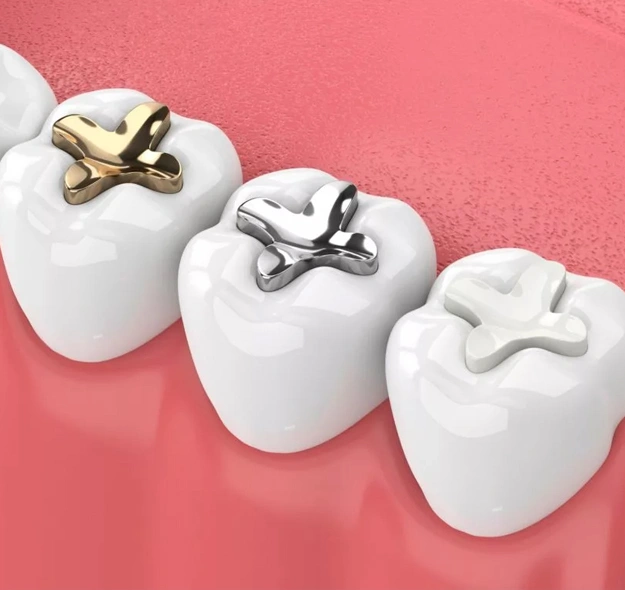
Repair and Restore Your Teeth With Dental Fillings
Dental fillings are essential for restoring the look and function of a tooth damaged by decay. If you've ever wondered, "Why do fillings require drilling?" it's because teeth can’t heal themselves like other parts of the body. To restore a tooth to its proper form, the decay must be removed first, which is when the drilling happens. Though it temporarily makes the cavity slightly larger, it’s necessary to remove all harmful bacteria and prevent further damage.
What Are Dental Fillings?
Fillings are used to repair cavities—small holes in teeth caused by bacterial acids. Left untreated, cavities can grow deeper, causing further damage and potentially leading to tooth loss. Fillings halt the decay process, preserving your tooth and avoiding the need for more invasive procedures down the line.
“Everything went smoothly with my fillings today, the staff always greets you with a smile. With so many dental offices to choose from, glad we choose this place. Excellent service.”
Types of Dental Filling Materials
There are several types of materials used for fillings, with each offering different benefits based on the location of the filling and your aesthetic preferences:
- Gold Fillings: Known for their durability, these are usually placed in back teeth.
- Amalgam (Silver) Fillings: A durable, cost-effective option commonly used for back teeth where aesthetics aren’t as important.
- Composite (Plastic) Resin Fillings: These are tooth-colored and ideal for fillings in the front teeth where appearance is a priority.
- Porcelain Fillings: These are durable and aesthetically pleasing, offering a natural look that blends seamlessly with your teeth.
At Serenity Dental in Magnolia, TX, we prefer advanced, tooth-colored fillings made from composite resin or porcelain. These materials are designed to provide a durable, natural-looking restoration, and they can be used on both front and back teeth, depending on your needs.
Dental Filling Procedure at Serenity Dental
The dental filling process is straightforward and minimally invasive:
- Anesthesia: To ensure comfort, a local anesthetic is applied, although small fillings might not require it. Feel free to ask about numbing if you're concerned about discomfort.
- Decay Removal: The dentist removes the decayed part of the tooth using a drill, ensuring all harmful bacteria is eliminated.
- Shaping and Etching: After decay removal, the dentist shapes the tooth to ensure the filling fits properly. If necessary, an acid gel is used to help the filling bond securely to the tooth.
- Filling Placement: If the filling uses resin, a special light may be applied to harden it. The dentist will then polish the tooth to a smooth and shiny finish, making it blend seamlessly with your natural teeth.
Why Dental Fillings Are Important
Dental fillings not only restore the appearance of your teeth, but they also protect them from further decay, improving both their function and longevity. By addressing cavities early, you can avoid more serious dental issues and keep your smile looking great.
Ready to Restore Your Smile?
If you think you might need a dental filling, contact Serenity Dental in Magnolia, TX today to schedule a consultation. We’ll help you choose the best filling material for your needs and ensure that the process is as comfortable as possible.
Call us today at 281.971.2120 to get started!