Katy: 281.971.2124
Metallic Taste After Oral Surgery? Tips to Manage it With Ease


Recovering from an implant procedure comes with a few surprises. One of the most common is a metallic taste that appears shortly after treatment. Some people notice it while drinking cold beverages or eating chilled foods during the healing process. Although this sensation can feel strange, it is usually temporary.
Healing tissues, small amounts of blood, medications, and changes inside the mouth can all contribute to the taste. Understanding what causes it and how to manage it can make recovery much easier.
Patients going through a dental implant procedure often ask whether a metallic taste means something went wrong. In most cases, it does not. The sensation usually improves as healing progresses. However, knowing when the taste is normal and when it deserves attention is important for protecting long-term oral health.
At Serenity Dental, we regularly help patients through every stage of implant recovery. Our approach focuses on comfort, education, and long-term success. If recovery symptoms feel unusual or persistent, our team is ready to help you feel more comfortable and confident.
Why Do I Taste Metal After My Dental Implant Procedure?
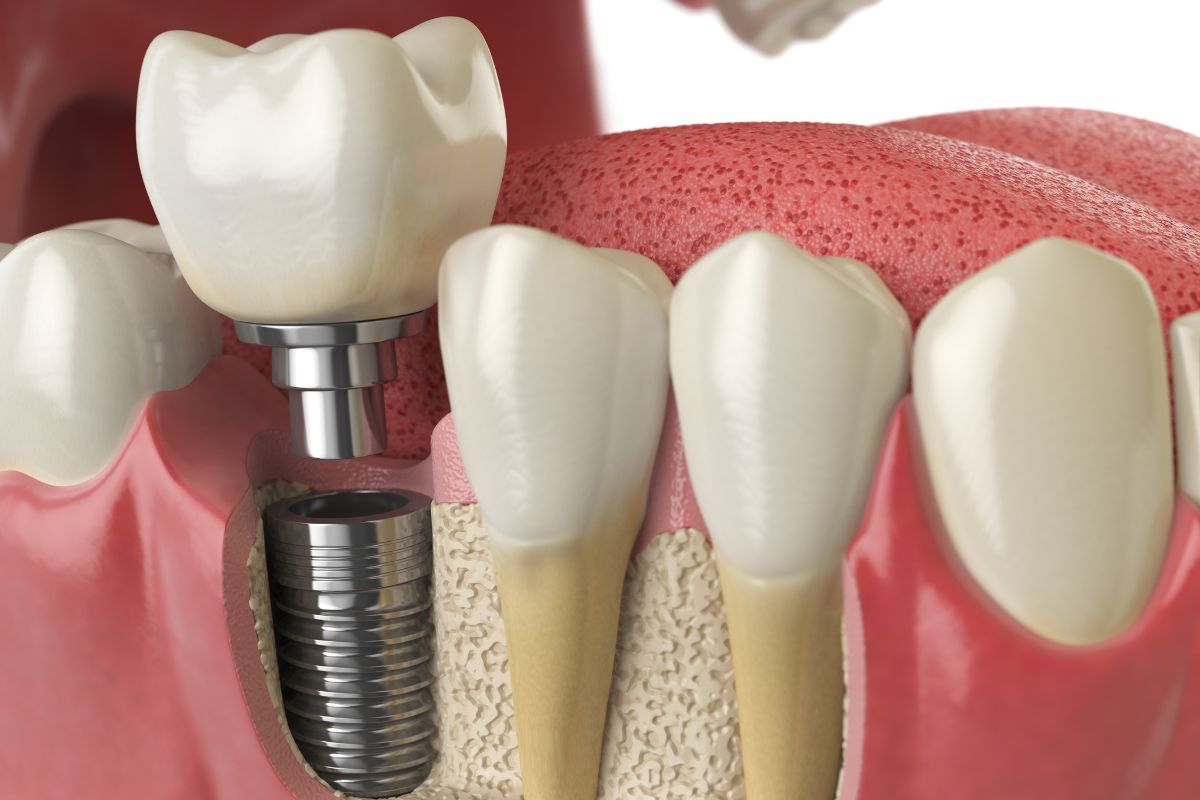
The most common reason for this sensation is the material used in the prosthetic post. Titanium is the gold standard for modern restorations due to its incredible biocompatibility. When the post is placed, it interacts with your saliva and healing tissues. This temporary interaction can occasionally release a subtle metallic taste. The sensation usually fades as your body gets used to the new addition.
Another common factor involves minor bleeding during the early healing stages. Blood contains a high concentration of iron, which naturally leaves a distinct metallic taste behind. As the sensitive gum tissue heals and creates a tight biological seal around the post, this minor bleeding stops completely. The phantom taste will then naturally disappear on its own.
Environmental factors can also affect how you perceive tastes during recovery. Hot weather, dry indoor air, and not drinking enough water can all contribute to dehydration. A dry mouth reduces natural saliva flow, which plays an important role in washing away bacteria, food particles, and unusual tastes inside the mouth.
When saliva production decreases, lingering tastes may become much more noticeable and last longer than expected. Staying hydrated throughout the healing process can help keep your mouth comfortable and reduce unpleasant taste sensations.
Simple Ways to Reduce Metallic Taste at Home
Managing the sensation usually starts with small daily habits. These steps help improve comfort and support healing.
Stay Hydrated Throughout the Day
Hydration is one of the easiest ways to improve taste changes. Water helps wash away bacteria, blood residue, and healing fluids.
Many residents rely heavily on iced coffee, sweet tea, or sports drinks during warm weather. These beverages may dry the mouth further. Plain water remains the best option during recovery.
Cold water also feels soothing around sensitive tissues after surgery.
Keep the Mouth Clean Carefully
Gentle oral hygiene matters after every dental implant procedure. Bacteria buildup can worsen unpleasant tastes and delay healing.
Brush carefully around the implant site using a soft toothbrush. Follow all aftercare instructions exactly as provided.
Saltwater rinses often help reduce irritation while freshening the mouth naturally. Avoid aggressive swishing during the first few days.
Avoid Smoking and Tobacco
Smoking delays healing dramatically. It also increases dry mouth and bacterial buildup. Tobacco users often report stronger metallic tastes after surgery.
Heat and humidity already affect healing conditions inside the mouth. Smoking adds additional irritation that slows recovery further.
Eat Mild and Fresh Foods
Soft foods can support healing while also helping reduce unpleasant tastes after a dental implant procedure. Cold smoothies, yogurt, mashed potatoes, scrambled eggs, and chilled fruit are often easier to eat during recovery and are gentler on healing tissues.
It is also important to avoid foods that may cause irritation. Spicy foods can temporarily increase discomfort around the treatment area, especially during the first few days of healing. Extremely salty foods may also make the metallic taste feel stronger or linger longer in the mouth. Choosing mild, soft foods can help make recovery more comfortable overall.
Could the Implant Material Cause the Taste
Dental implants are made from biocompatible materials designed to integrate safely with bone. Titanium implants rarely create long-term metallic tastes directly.
Most taste changes come from healing conditions rather than the implant itself. Blood residue, swelling, and medications remain the most common causes.
In rare cases, allergic reactions or sensitivities may contribute to unusual symptoms. Persistent burning, swelling, or worsening discomfort should always be evaluated by a professional.
Signs the Metallic Taste May Need Professional Attention
A temporary metallic taste is common. However, certain symptoms may indicate a developing issue.
Watch for these warning signs:
- Severe swelling after several days
- Increasing pain around the implant
- Fever or chills
- Pus or discharge
- Persistent bad breath
- Loose implant feeling
- Metallic taste is worsening instead of improving
These symptoms may suggest infection or healing complications.
People sometimes ignore early symptoms because they assume recovery discomfort is normal. Prompt evaluation protects both healing tissues and implant stability.
Why Oral Hygiene Matters During Recovery?
Healing tissues attract bacteria easily. Poor hygiene allows bacteria to collect around the implant site and increase unpleasant tastes.
Consistent cleaning reduces infection risks while helping recovery progress smoothly.
Many people become nervous about brushing near implants after surgery. However, avoiding hygiene completely creates larger problems later.
Gentle daily care remains one of the most important factors in successful recovery.
When Does Recovery Start Feeling Normal Again?
Most people gradually return to normal eating habits within several weeks. Taste changes typically disappear before that point.
Patients often notice improvement as they gradually return to their normal daily routines. Enjoying favorite meals, cold desserts after dinner, or everyday activities tends to feel much easier as healing continues and the metallic taste begins to fade.
The key is patience. Implant recovery takes time, but proper care supports excellent long-term results.
Experience a Comfortable Recovery With Our Professional Care
Healing after a dental implant procedure should feel manageable and well understood. Knowing which symptoms are temporary can help patients feel more confident throughout the recovery process.
Our team is committed to helping patients heal comfortably after implant treatment and answering questions along the way. If unusual tastes, discomfort, or healing concerns continue longer than expected, it is important to have them evaluated. Patients recovering from dental implant treatment in Houston can rely on experienced support and personalized care throughout the healing process. Visit our dental office for guidance and continued support during your recovery.
Frequently Asked Questions
Is a metallic taste normal after implant surgery?
Yes. Small amounts of blood, healing fluids, and medications commonly create temporary taste changes after surgery. The sensation usually improves within several days. Staying hydrated and maintaining gentle oral hygiene often helps reduce the taste more quickly.
Can dehydration make the metallic taste worse after implants?
Yes. Dry mouth allows unusual tastes to linger longer because saliva helps cleanse the mouth naturally. Warm temperatures and air conditioning may increase dehydration. Drinking water consistently throughout recovery often improves comfort and reduces unpleasant taste sensations.
Should mouthwash be avoided after implant surgery?
Some strong mouthwashes may irritate healing tissues and intensify metallic tastes. Alcohol-based rinses commonly worsen dry mouth during recovery. Many providers recommend saltwater rinses or gentle prescription rinses designed specifically for healing after implant procedures.
Can infection cause a metallic taste around implants?
Yes. Infection sometimes creates bad breath, swelling, discharge, and unpleasant tastes. Persistent symptoms should never be ignored. If the metallic taste worsens alongside pain or swelling, professional evaluation is important to protect implant stability and oral health.
How can food choices affect metallic taste after implants?
Spicy, salty, and acidic foods may irritate healing tissues temporarily. Softer foods usually feel more comfortable during recovery. Cold smoothies, yogurt, eggs, and mild soups often help patients eat comfortably while reducing irritation around the implant area.
Does smoking increase metallic taste after implant treatment?
Yes. Smoking slows healing, reduces circulation, and increases bacterial buildup inside the mouth. Tobacco use also worsens dry mouth. These effects may intensify metallic taste sensations and increase complications during recovery after implant placement procedures.
When should a persistent metallic taste become a concern?
A metallic taste lasting beyond several weeks deserves evaluation, especially if symptoms worsen gradually. Persistent swelling, fever, discharge, or implant movement may indicate complications. Early professional treatment helps prevent more serious healing problems and supports long-term implant success.