Katy: 281.971.2124
Missing Teeth? Discover a Long-Lasting Way to Restore Your Smile


Missing teeth can affect simple daily activities more than many people realize. Some people avoid smiling in photos, while others struggle to chew comfortably or notice changes in how they speak. Understanding your tooth replacement options can help you make a more confident and informed decision about your oral health.
Dental professionals often recommend dental implants because they function like natural teeth and support long-term oral health. Below, we’ll walk through what permanent tooth replacement involves and what you should consider before making a decision.
Why Does Replacing a Missing Tooth Matter?
Leaving a gap in your smile can lead to more problems over time. Adjacent teeth may begin to shift, your bite can change, and the jawbone beneath the missing tooth may gradually weaken. These changes can make future dental care more complex.
Replacing a missing tooth helps restore normal chewing and speaking while also supporting the structure of your jaw and surrounding teeth.
What Makes a Tooth Replacement “Permanent”?
Permanent tooth replacement refers to options that are fixed in place and designed to last for many years. Unlike removable solutions, these treatments stay securely in your mouth and don’t rely on adhesives or daily removal.
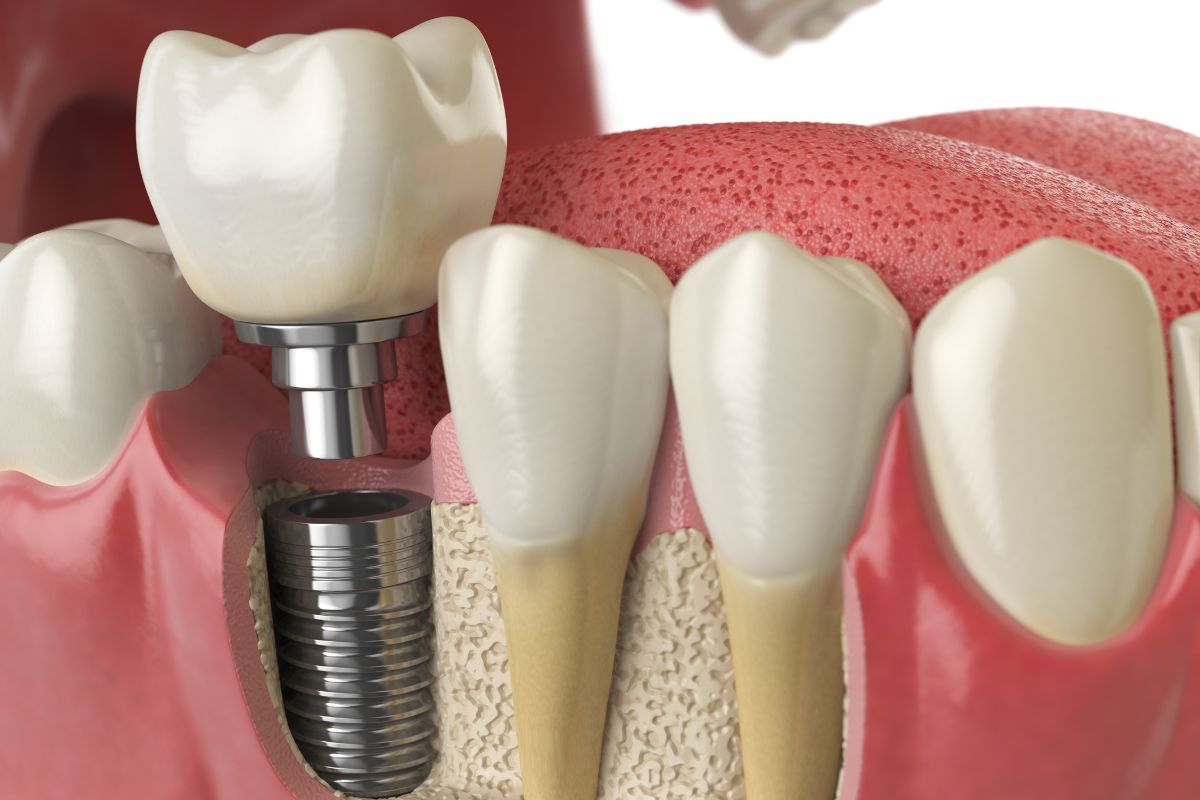
Dental implants are considered one of the most stable permanent options because they replace both the tooth and its root, helping maintain jawbone strength.
Why Are Dental Implants Often Chosen Over Other Options?
Traditional dentures can move, cause irritation, and affect daily comfort. Bridges may require reshaping healthy teeth next to the missing one, which isn’t always ideal.
Dental implants offer several advantages:
- Strong, long-term stability
- Improved chewing and speech
- Reduced risk of bone loss
- A natural look and feel
Today, millions of people rely on implants, making them a well-established and trusted solution.
Are Dental Implants Right for You?
Not everyone has the same oral health needs, so candidacy matters. Dental implants are often suitable if you have:
- Healthy gums
- Sufficient jawbone density
- Stable overall health
Conditions such as uncontrolled diabetes, advanced gum disease, or significant bone loss may require additional care before implants are considered. In some cases, treatments like bone grafting can help prepare the jaw for a successful outcome.
Understanding the Dental Implant Procedure
Knowing what to expect can ease uncertainty. The dental implant procedure is typically completed in stages:
- Implant Placement – A titanium post is placed in the jawbone
- Healing Phase – The bone gradually fuses with the implant
- Abutment Placement – A connector is added to support the crown
- Impressions – Digital scans ensure a precise fit
- Crown Creation – A custom crown is made
- Final Placement – The crown is secured and adjusted
This step-by-step approach allows the implant to integrate naturally and function like a real tooth.
Materials Used for Implant Crowns
Choosing the right crown material plays a role in comfort and durability:
- Porcelain – Often used for front teeth due to its natural appearance
- Zirconia – Known for its strength, making it ideal for back teeth
Your dentist will help you choose based on where the implant is placed and how you will use it.
Managing Comfort and Recovery
Mild swelling or soreness for a few days after treatment is common. Most people manage discomfort with basic pain relief and return to normal routines within a couple of days.
Clear aftercare instructions help support healing and reduce the risk of complications.
Caring for Your Dental Implant
Dental implants don’t require special cleaning tools. Daily care is similar to natural teeth:
- Brush twice a day
- Floss daily
- Schedule regular dental checkups
- Avoid extremely hard or sticky foods when possible
With good oral hygiene, implants can remain healthy for decades.
How Long Do Dental Implants Last?
Dental implants are known for their longevity. With proper care and routine dental visits, many last 20 years or more, and often a lifetime.
Cost Considerations to Keep in Mind
The total cost of implants can vary based on:
- The number of implants needed
- Preparatory procedures such as bone grafting
- Crown materials
Insurance coverage differs by plan, and understanding your benefits ahead of time can help you plan effectively.
Clearing Up Common Myths About Dental Implants
- “Implants are painful.” Modern anesthesia makes the procedure very manageable.
- “Recovery takes a long time.” Most patients resume daily activities within days.
- “Implants often fail.” When properly planned and placed, success rates exceed 95%.
Additional Implant Options
All-on-4 Dental Implants
Designed for patients missing most or all teeth, this approach employs four implants per arch and can be suitable even when bone density is limited.
Bone Grafting
When bone loss is present, grafting can rebuild the jaw to support implants successfully.
Single-Tooth Replacement
An implant can replace one missing tooth without affecting neighboring teeth, offering a natural and long-lasting result.
When to Seek Help?
If an implant crown feels loose, painful, or damaged, early evaluation is important. Addressing issues promptly can prevent more serious complications.
Restore Your Smile with Serenity Dental of Houston
Choosing the right permanent tooth replacement starts with understanding your options and how they fit your long-term oral health goals. Dental implants provide a stable, natural-feeling solution for many people looking to replace missing teeth.
If you’re exploring permanent tooth replacement options in Houston, TX, you can request an appointment at Serenity Dental to discuss your needs and take the next step toward a healthier, more confident smile.
Frequently Asked Questions
Can I get a dental implant years after losing a tooth?
Yes, many people get implants years after tooth loss. However, the amount of remaining jawbone may need to be evaluated before treatment.
Will dental implants look like my natural teeth?
Implant crowns are custom-made to match the shape, size, and color of your surrounding teeth, helping them blend in naturally with your smile.
Can older adults get dental implants?
Yes, age alone does not prevent someone from getting implants. Overall oral health and bone support are usually more important factors.
What foods should I avoid after getting dental implants?
During the healing phase, it’s best to avoid very hard, crunchy, or sticky foods that could place pressure on the implant area.
Do dental implants require special maintenance?
Dental implants should be brushed and flossed just like natural teeth. Regular professional cleanings also help maintain long-term health.