Katy: 281.971.2124
Dental Implant Bite Feels Off: Causes and Next Steps

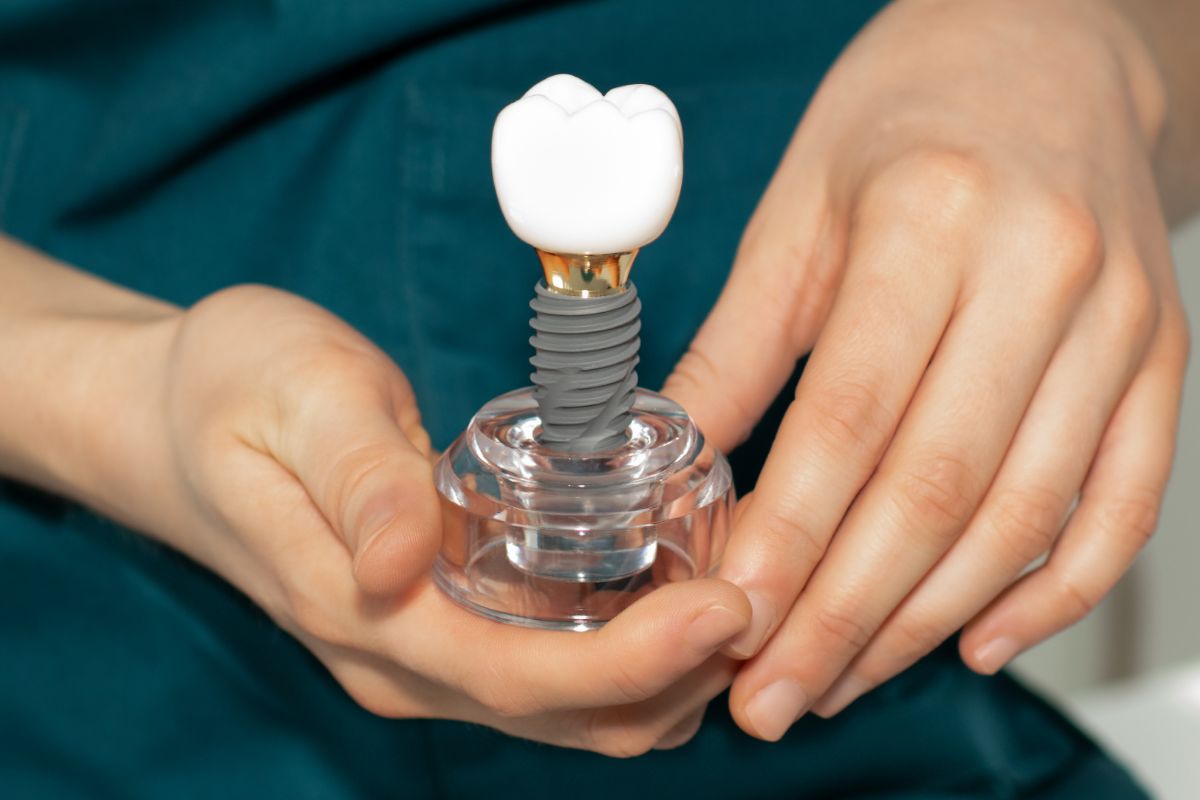
A restored tooth may feel unfamiliar when you first chew. Mild awareness can occur while your mouth adjusts, but a bite that feels uneven, painful, or increasingly uncomfortable should be evaluated.
Unlike a natural tooth, a dental implant does not have a periodontal ligament. This ligament helps natural teeth sense pressure and absorb small amounts of biting force. As a result, an implant-supported crown may feel firmer when it contacts the opposing tooth.
At Serenity Dental, Dr. Chung can evaluate how the crown fits with the surrounding teeth and identify any potential concerns. If your bite continues to feel high or unbalanced after the dental implant procedure, an examination can help determine whether you need a simple adjustment or further care.
Why Does a Dental Implant Feel Different When You Bite?
The restored tooth is anchored in the jawbone rather than connected through a natural tooth root and periodontal ligament. This structural difference can change how you perceive chewing pressure.
Some people need a short adjustment period after receiving their final crown. However, dental implants should not cause persistent pain or prevent comfortable chewing. A noticeable change in your bite may indicate that the crown, nearby tissues, or a prosthetic component needs attention.
Common Reasons Your Bite May Feel Off
The Crown May Be Slightly Too High
A high implant crown can contact the opposing tooth before the rest of your teeth meet. You may notice pressure in one spot, discomfort while chewing, or the feeling that your jaw cannot close naturally.
Even a small difference in crown height can affect bite alignment. A dentist can check the contact points with marking paper and other occlusal analysis methods.
Your Mouth May Still Be Adjusting
The shape and firmness of a new restoration may initially feel unusual. Your tongue, jaw muscles, and chewing pattern may need time to adapt following the dental implant procedure.
Temporary awareness without pain may improve. Persistent pressure, worsening soreness, or difficulty chewing should not be dismissed as a normal adjustment.
The Crown or Abutment May Be Loose
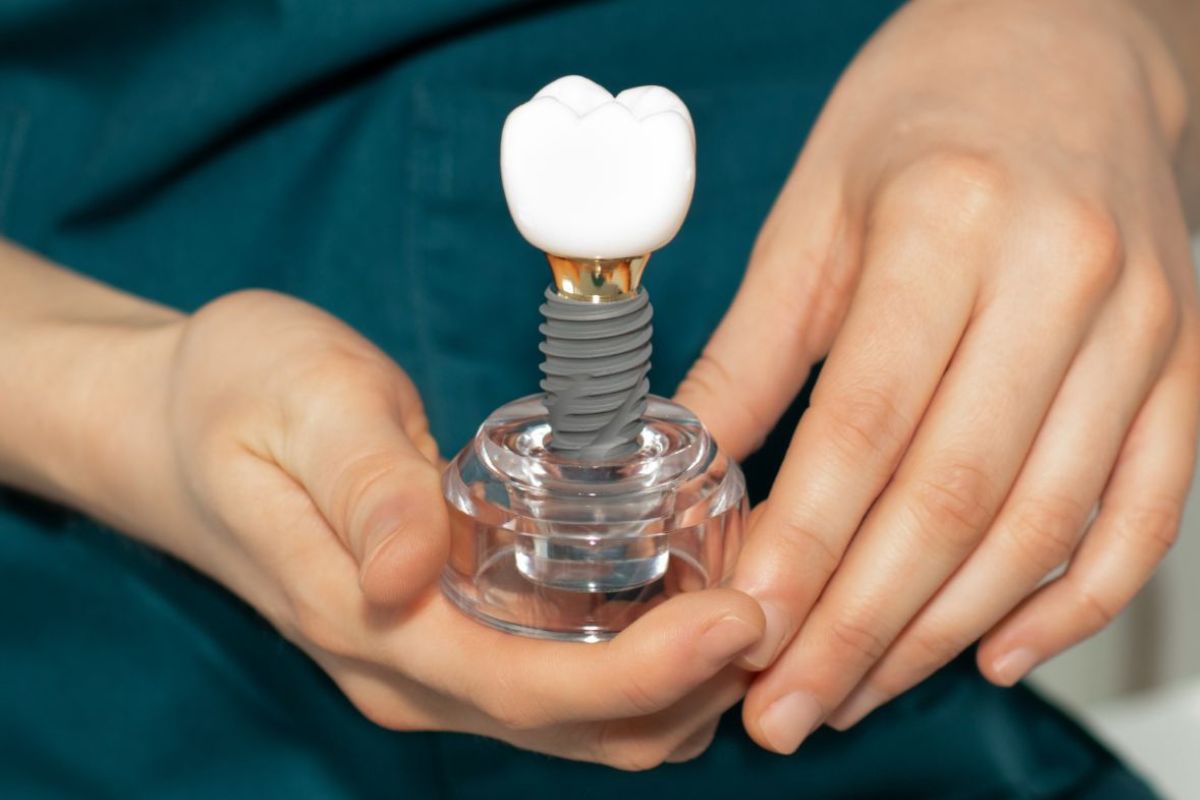
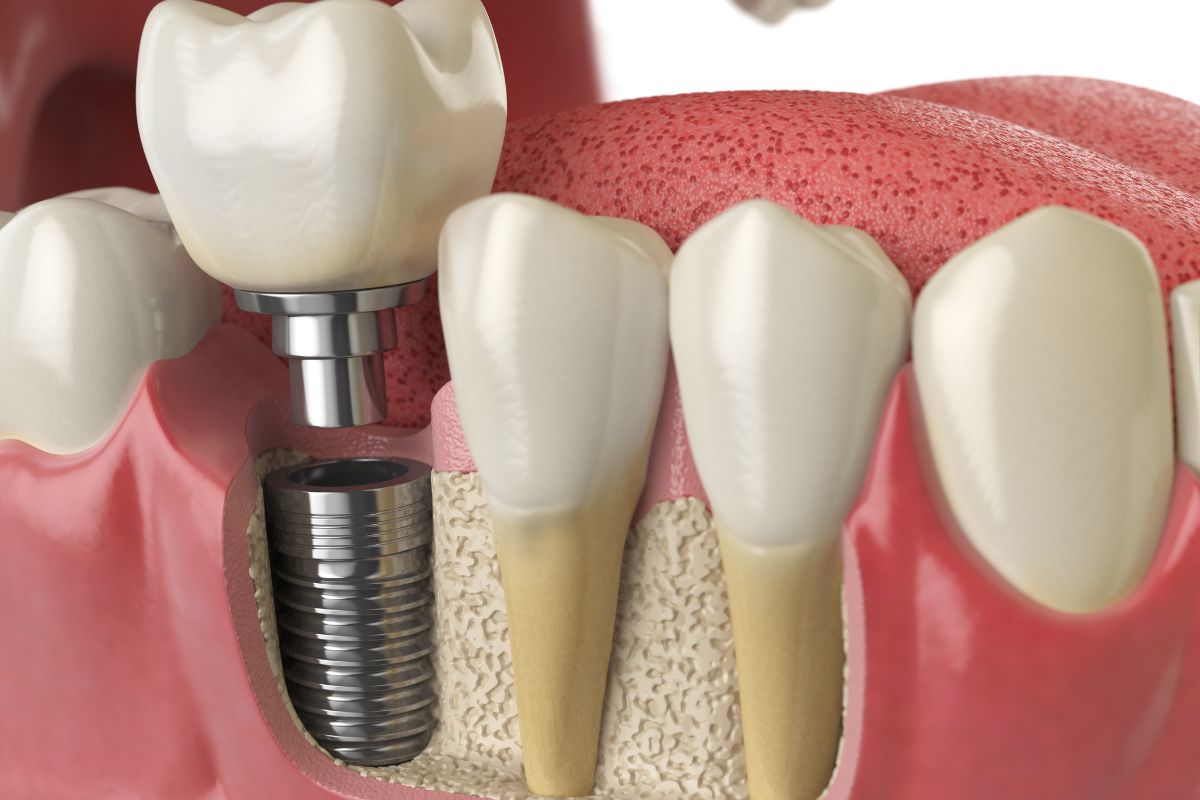
The crown connects to an abutment, which attaches to the fixture in the jaw. A loose screw or restoration may cause movement, clicking, or a sudden change in how your teeth meet.
Do not chew hard or sticky foods on that side. Visit our dental office promptly so the components can be examined before further damage occurs.
Teeth Grinding May Be Adding Excessive Force
Bruxism can place repeated pressure on an implant and its prosthetic components. Possible signs include morning jaw soreness, headaches, worn teeth, or a restoration that feels different after sleep.
A dentist may assess your bite and discuss whether a protective nightguard is appropriate.
Inflammation May Be Present
Redness, swelling, bleeding, tenderness, or an unpleasant taste may indicate inflammation around the restoration. Plaque buildup can irritate the gum tissue surrounding dental implants and requires timely attention.
What Should You Do When the Bite Feels Uneven?
Take the following steps:
- Avoid repeatedly testing the tooth by biting down hard.
- Choose softer foods and chew on the opposite side.
- Continue gentle brushing and cleaning around the restoration as instructed.
- Do not try to adjust, tighten, or move the crown yourself.
- Record when the discomfort began and what triggers it.
- Arrange an evaluation if the sensation persists or worsens.
During an examination, the dentist may check the implant crown, bite contacts, gum tissue, and stability of each component. X-rays may also be recommended. Depending on the findings, treatment could involve polishing a high point, tightening a screw, treating inflammation, or replacing a damaged restoration.
When Is Prompt Dental Care Necessary?
Seek timely care if you develop significant pain, visible movement, swelling, pus, fever, bleeding, or difficulty chewing. A suddenly loose dental implant also requires prompt evaluation. Early care can reduce stress on the restoration and surrounding bone.
Restore Comfort and Confidence in Your Bite
An uneven bite should not be ignored. Timely post-treatment care can protect your tooth implant, restore comfortable function, and help prevent added pressure on surrounding teeth. If your bite feels unusual after dental implant treatment, schedule an appointment.