Katy: 281.971.2124
Is It Possible To Be Allergic To Invisalign?

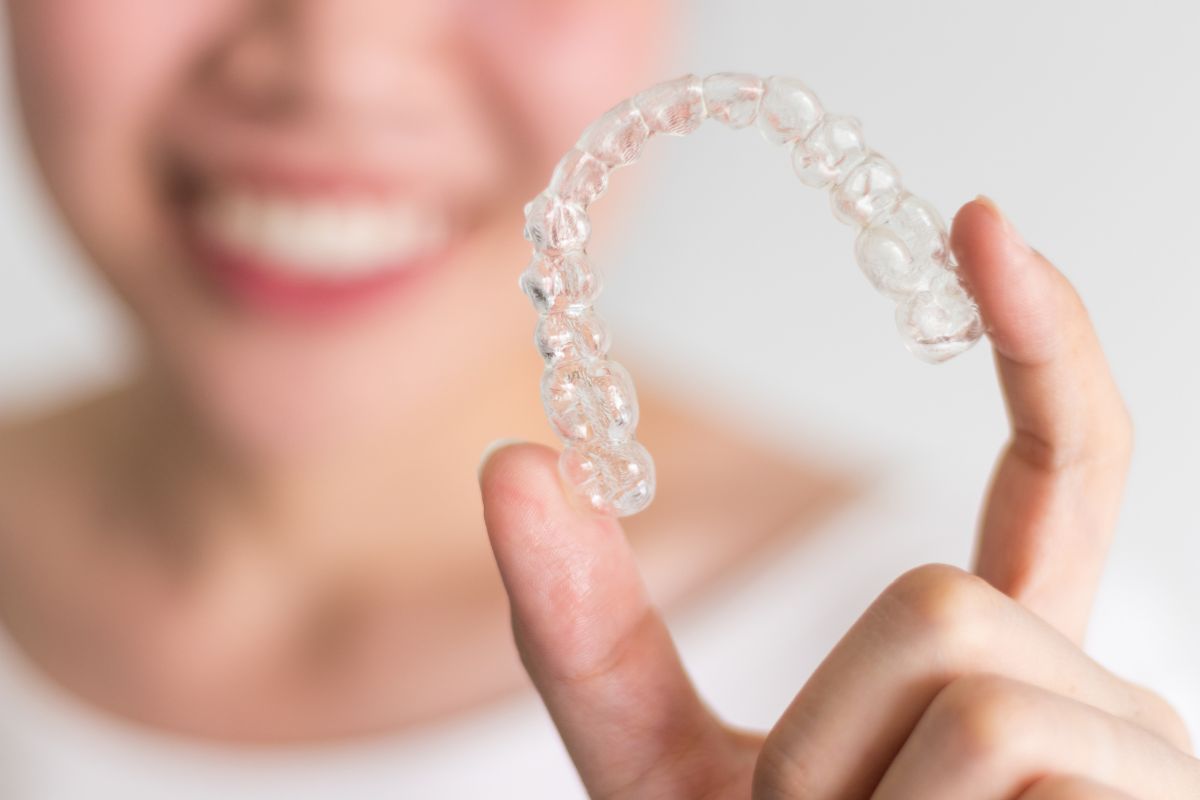
Can a nearly discreet orthodontic treatment create an allergic reaction? For many patients, Invisalign is a modern, comfortable alternative to traditional braces. But, as with any oral appliance, it is natural to wonder whether one can be allergic to Invisalign.
While allergic reactions are rare, they can happen. The key is to know the signs, the causes, and how professionals can help. Let’s delve into the details to learn more.
Can You Be Allergic To Invisalign?
Although rare, an allergic reaction can occur while wearing Invisalign. These modern aligners are made with medical-grade thermoplastic material that is generally well-tolerated. However, some patients may be sensitive to specific components, such as latex or certain metals.
While severe allergic reactions are rare, it’s important to remember that even mild reactions should be addressed promptly. This reassurance can help you feel more confident and less anxious about your treatment.
Signs That You Might Have An Allergic Reaction
If you are wearing transparent aligners and notice any one of the following symptoms, it can be a sign of an allergic reaction-
- Itchy or irritated gums or inner cheeks
- Redness, rash, or sores in the mouth
- Swelling of the lips, throat, and tongue
- Dry mouth or excessive salivation
- A burning sensation when you wear the aligners
These symptoms may appear shortly after starting treatment or when switching to a new set of Invisalign. It is crucial to note that not all discomfort is an allergy—mild soreness or tightness is normal as the teeth adjust.
What Causes Allergic Reactions?
In most cases, a reaction may stem from-
- Sensitivity to the plastic material used in aligners
- Bacteria build up if trays are not cleaned properly
- Improper cleaning or use of harsh cleaning agents on trays
Some patients react not to the aligner but to the residue from improperly cleaned cleaning solutions. In other situations, reactions might occur from prolonged exposure to saliva trapped between the aligner and teeth.
How Do Dental Professionals Assist?
If you suspect an allergic reaction, remember that you’re not alone. Your orthodontist is there to help you navigate this situation and ensure your comfort and safety. If you suspect an allergic reaction, it’s crucial not to remove your aligners without consulting an orthodontist. Their expertise and guidance can give you the support and direction you need.
Diagnosis & Identification:
Initially, your healthcare provider will determine if it is an allergic reaction or an issue such as irritation due to a poor fit or dental hygiene problems.
Material Testing:
If necessary, they may suggest conducting allergy tests to eliminate the possibility of a reaction to certain plastics or chemicals.
Product Alternatives:
In rare situations, your provider might consider using a different aligner material or suggest a product that does not contain the suspected allergen.
Adjusting Your Cleaning Routine:
Switching to hypoallergenic and non-abrasive cleaning methods can alleviate symptoms caused by residue or harsh chemicals.
Medical Collaboration:
Your dentist might collaborate with an allergist to develop a thorough treatment plan for more severe symptoms.
If you have Invisalign, it is worth noting that most dental care providers are well-trained to handle these rare issues.
Managing Concerns Regarding Invisalign
If you are dealing with invisible aligners and notice any unusual symptoms, do not panic. Track the signs, avoid harsh cleaning products, and schedule an appointment with a dental practitioner.
While allergic reactions to transparent aligners are uncommon, they are not rare. Knowing the symptoms and taking prompt action can help you stay comfortable throughout the treatment.
At Serenity Dental, we prioritize your comfort and health throughout every phase of your smile transformation. Whether you are just beginning your orthodontic journey or are concerned about symptoms, our dentist, Dr. Ruidan Ma, and team are here to help.