Katy: 281.971.2124
Risks & Consequences of Improper Teeth Whitening

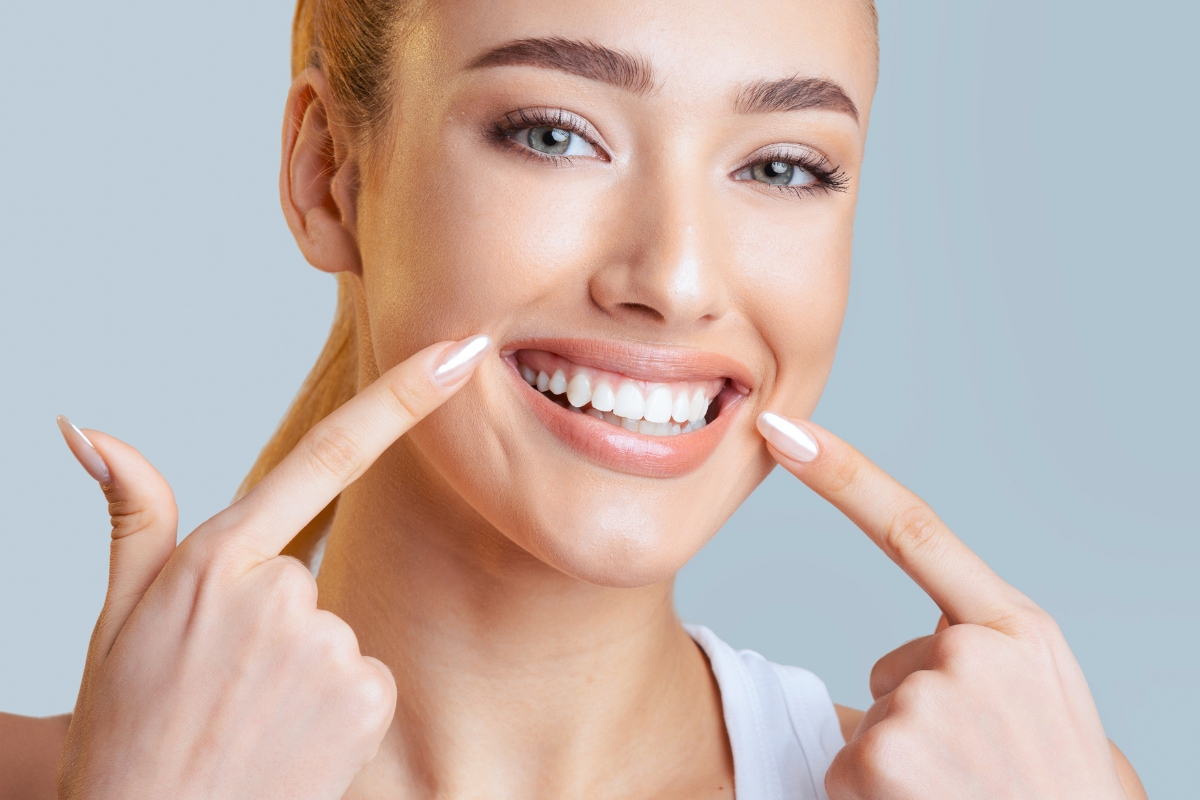
A brighter smile can boost confidence and make everyday interactions feel easier. It’s no surprise that teeth whitening has become so popular. From store-bought kits to online trends, whitening options are everywhere. But what many people don’t realize is that whitening your teeth the wrong way can do more harm than good.
Before jumping into whitening treatments, it’s important to understand the risks involved and why proper care matters just as much as the results.
What Is Teeth Whitening and Why Do People Try It?
Teeth whitening works by breaking down stains caused by food, drinks, smoking, or aging. Many people turn to whitening to refresh their smile before special events or simply to feel more confident day-to-day.
While professional teeth whitening treatment is designed to safely brighten teeth under dental supervision, improper or unsupervised whitening methods can lead to unwanted problems that last much longer than the stains you were trying to remove.
Common Mistakes People Make With Teeth Whitening
Improper whitening often starts with small mistakes that seem harmless at first.
Some common ones include:
- Using whitening products too often
- Leaving strips or gels on longer than recommended
- Trying multiple whitening methods at the same time
- Using products without knowing if the teeth or gums are healthy enough
These habits can slowly damage teeth and gums, even if the results look good initially.
Risks of Improper Teeth Whitening
Tooth Sensitivity
One of the earliest signs of improper whitening is sensitivity. Teeth may react strongly to hot, cold, or sweet foods. This happens when whitening agents reach the inner layers of the tooth.
Gum Irritation
Whitening products that come into contact with the gums can cause redness, burning, or soreness. In some cases, this irritation can take weeks to heal.
Uneven or Patchy Results
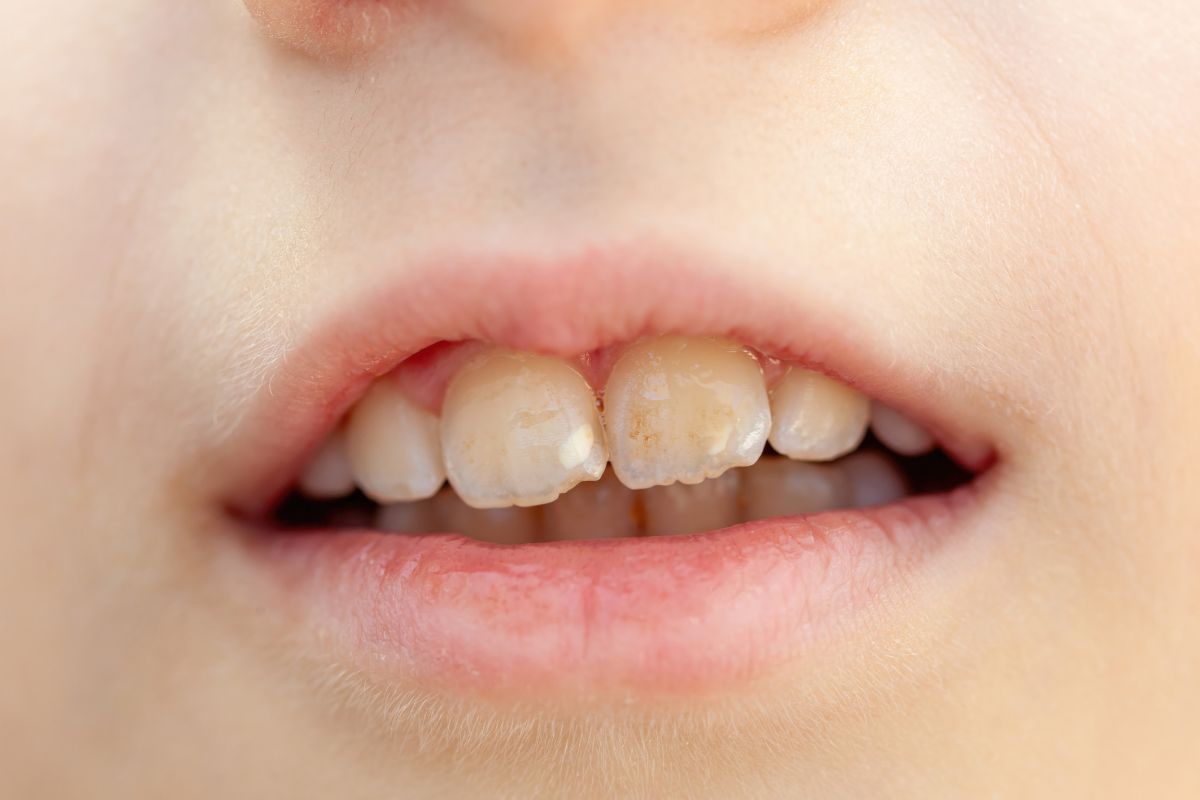
Not all teeth whiten the same way. Improper application can lead to uneven color, especially if there are existing dental restorations.
Enamel Damage
Over-whitening can weaken enamel. Once enamel is damaged, it doesn’t grow back, leaving teeth more vulnerable.
Long-Term Consequences of Whitening Done the Wrong Way
Improper whitening isn’t just a short-term issue. Over time, it can lead to:
- Increased risk of cavities
- Persistent tooth sensitivity
- Faster return of stains
- Weaker tooth structure
These issues can make everyday activities like eating or drinking uncomfortable.
Why Professional Guidance Makes a Difference?
A dentist checks your teeth and gums before whitening to make sure it’s safe for you. They also adjust the treatment’s strength and duration based on your needs, significantly reducing risk.
If you’re unsure whether whitening is right for you, it’s always better to contact us and ask questions before trying something that could damage your smile.
Who Should Be Extra Careful With Teeth Whitening?
Some people need to be especially cautious, including those with:
- Naturally sensitive teeth
- Gum disease or recession
- Dental crowns, veneers, or fillings
- Thin or worn enamel
Whitening without professional advice in these cases can worsen existing problems.
How to Whiten Teeth Safely?
To protect your teeth:
- Avoid overusing whitening products
- Follow instructions exactly
- Stop if you feel pain or irritation
- Get dental advice before starting any whitening routine
Safe whitening is about balance, not speed.
Need Help Protecting Your Smile? Visit Serenity Dental
If you’re thinking about whitening your teeth or dealing with sensitivity from past treatments, getting guidance from a cosmetic dentist in Spring can help you make informed, safe choices for your smile.
At Serenity Dental, we focus on helping patients in Spring, TX, understand their options and protect their oral health before small concerns become bigger problems. Whitening should enhance your smile, not compromise it. Request an appointment to learn more about safe whitening options and personalized dental care.
Frequently Asked Questions
Can whitening products damage healthy teeth?
When used incorrectly or too often, whitening products can weaken enamel and increase tooth sensitivity. Following proper instructions is important for protecting your teeth.
How long should I wait between whitening treatments?
The timing depends on the type of whitening product used and your oral health. Over-whitening too frequently can irritate teeth and gums.
Can whitening treatments work on yellow teeth caused by aging?
Whitening may improve some age-related stains, but results vary depending on how deep the discoloration is and the condition of the enamel.
Is it normal for teeth to feel sensitive after whitening?
Mild sensitivity can happen temporarily after whitening, but ongoing pain or discomfort may be a sign that the teeth are being overexposed to whitening agents.
Are store-bought whitening kits safe for everyone?
Not always. People with gum disease, cavities, worn enamel, or dental restorations should speak with a dental professional before using whitening products.